Salon Equipment
Second-Hand Salon Chairs: Styling, Hydraulic and Client Chairs
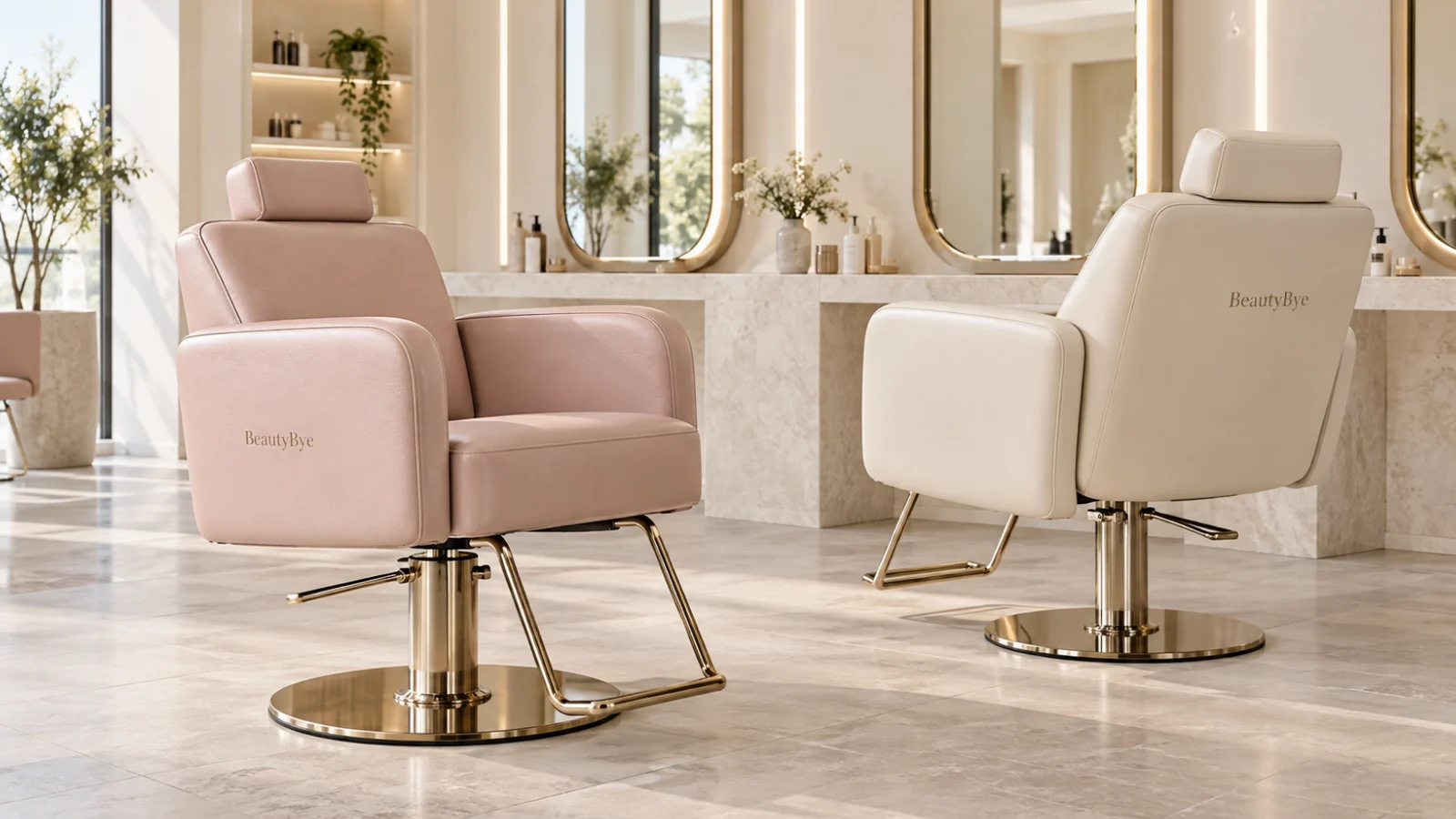
Second-hand salon chairs are a staple of salon fit-outs. Styling chairs, barber chairs, backwash chairs, client chairs and technician stools are built to be used all day, and they come up often when salons refit or close. A well-made chair with a healthy hydraulic unit and intact upholstery can serve for years at a fraction of the new price.
Types of Salon Chair
Chair | Used for | Key checks |
|---|---|---|
Hydraulic styling chair | Cutting and styling | Pump, rotation, base, upholstery |
Barber chair | Barbering, often with recline and headrest | Pump, recline mechanism, headrest, footrest |
Backwash chair or unit | Washing at the basin | Recline, basin fit, plumbing (for units), upholstery |
Fixed-height styling chair | Styling where height adjustment isn't needed | Frame, upholstery |
Client chair | Nail and beauty client seating | Frame, upholstery, stability |
Technician stool or saddle stool | Therapist seating | Gas lift, wheels, seat |
Reception and waiting chairs | Front of house | Frame, upholstery |
Hydraulic Chairs: The Pump Is Everything
Most styling and barber chairs use a hydraulic unit operated by a foot pump. It's the part most likely to wear, and the most important to check.
Raising: the chair should rise smoothly with steady pumping.
Holding height: it should stay at height without slowly sinking, even with someone sitting in it.
Lowering: the release should lower the chair under control, not with a sudden drop.
Leaks: look for oil on the base, the pump or the floor.
Rotation and lock: the chair should rotate smoothly and lock in position if designed to.
A weak pump can often be replaced, but check the cost and availability for the model before buying.
Bases and Frames
The base should be stable, with no cracks and no rocking.
Chrome or painted bases should be free of heavy corrosion.
The joint between the seat and the hydraulic unit should be solid.
Armrests should be secure.
Upholstery
Salon chairs are used constantly, so upholstery shows wear. Check for:
splits, cracks and peeling
worn edges on the seat and armrests
stains that won't clean
flattened padding
Damaged upholstery can't be cleaned and disinfected properly, and it affects how your salon looks. Chairs can often be professionally recovered, so get a quote and add it to the cost.
Barber Chairs: Extra Checks
Barber chairs often have recline, adjustable headrests and footrests:
the recline lever and mechanism work and lock
the headrest adjusts and holds
the footrest is secure
the chair is stable when reclined
Barber chairs are typically very heavy. Plan collection accordingly.
Backwash Units
Backwash units combine a chair with a basin and plumbing. Buying them second-hand involves extra considerations:
the basin should have no cracks or chips
taps, shower heads and hoses need checking and may need replacing
plumbing must be installed to suit your salon, which is a job for a qualified plumber
units are large and heavy, and often need dismantling
Backwash chairs sold separately from basins are simpler to buy.
Technician Stools
Stools for nail, lash, brow and beauty technicians are simple, durable second-hand buys:
the gas lift holds height without sinking
the wheels roll freely
the seat is intact
the backrest, if fitted, adjusts and locks
Choosing the Right Chair for the Job
Buying the wrong type of chair is a common and expensive mistake, even at a second-hand price.
Styling chairs need to rotate, adjust in height and support clients comfortably for cuts, colour and styling. A good pump range lets stylists work at a comfortable height for tall and short clients alike, which matters for your back over a long day. Armrest height and seat width affect client comfort and how close you can stand.
Barber chairs are designed for recline, headrest support and shaving work. They're heavier and larger than styling chairs, and a barber chair in a hair salon can take up more floor space than expected. If you don't offer shaves or reclined services, a styling chair may be the better buy.
Backwash chairs should sit comfortably with the basin you have, or plan to buy, so the client's neck rests properly on the basin edge. Mismatched chairs and basins are uncomfortable. Check the recline angle and height.
Client chairs for nail and beauty services don't need to adjust as much, but they should be stable, comfortable for an hour or more, and easy to clean.
Technician stools matter for your own posture. A saddle stool or a stool with a good backrest and height range can make long days easier. Check the gas lift holds its height under your weight.
Upholstery Materials and Cleaning
Most salon chairs are upholstered in vinyl or PU (polyurethane) coverings, chosen because they can be wiped clean. Over time they can crack, peel or split, especially on edges and armrests. When buying used:
look closely at seams and edges, where wear starts
check for cracking caused by harsh cleaning products or heat
ask what cleaning products were used, if the seller knows
plan to clean with products the upholstery manufacturer recommends
Recovering chairs is common and can give a matching set a fresh look, which is worth considering if the frames and pumps are good but the upholstery is tired.
Buying a Matching Set: Checks Per Chair
Salons often want matching chairs, and buying a set from one refit or closure gives a consistent look at a lower price. Pumps and upholstery vary between chairs of the same age, so check each one individually:
Check | Why it varies between chairs |
|---|---|
Pump holds height | Pumps wear at different rates depending on use |
Rotation and lock | Some chairs were used more than others |
Upholstery | Chairs by the window or door often wear faster |
Base condition | Knocks and scratches vary |
Armrests | Loose fittings on some chairs |
Negotiate on the set as a whole, but price in any individual repairs, such as a pump replacement.
Barber and Styling Chairs: What Wears First
On heavily used chairs, the first things to go are usually the hydraulic pump (sinking or leaking), the upholstery on armrests and seat edges, and the footrest fixings. Frames and bases tend to last much longer. That's why a chair with a sound frame but a tired pump or worn upholstery can still be a good buy, provided you price in the repair.
Comfort Over a Working Day
A chair is something you and your clients live with for hours at a time. Before committing to a second-hand chair, think about how it will feel at the end of a busy Saturday, not just in the listing photos. For stylists, the question is whether the chair lets you work at a comfortable height for both tall and short clients without bending. For clients, it's whether the seat and back support them through a long colour appointment. If you can, sit in the chair when you collect it, and raise and lower it with someone in it.
Questions to Ask the Seller
What's the make and model?
How old are the chairs, and how heavily were they used?
Do all pumps hold height without sinking? Any leaks?
Any damage to the upholstery? Can you send close-up photos?
Can the base be separated from the seat for transport?
What are the dimensions and weight?
Why are you selling?
Collecting Salon Chairs
Salon chairs are heavy, especially with metal bases and hydraulic units.
ask whether the seat can be separated from the base
bring enough people to lift safely
protect upholstery with blankets
keep hydraulic units upright where possible
secure chairs so they can't roll or tip in the vehicle
See collecting large salon equipment for a full plan.
Preparing Used Chairs for Clients
Clean and disinfect the upholstery with compatible products.
Check and tighten fixings.
Test the pump, rotation and recline again after transport.
Arrange recovering or pump replacement if needed.
Chairs and the Rest of a Hair Salon
For colour, backbar and electricals, see the professional hair supplies hub. For wider equipment checks, see second-hand salon equipment: what to check before buying. Clearances are often the best source of matching sets. See closing-down salon equipment.
Salon Chairs on BeautyBye
Styling chairs, barber chairs and stools on BeautyBye usually come from verified salon owners who are refitting or closing, often in matching sets. Chairs are listed as collection-only and graded New, Like new, Good or Fair, with photos and seller notes. You arrange payment and collection directly with the seller, so sit in the chair, pump it up and down, and check it holds height before you pay.
Frequently asked questions
What should I check on a used hydraulic salon chair?
That the pump raises the chair smoothly, holds height without sinking, doesn't leak oil, and lowers under control; that the chair rotates and locks if designed to; and that the base is stable and undamaged.
Can a hydraulic pump be replaced?
Often, yes. Many styling chairs use replaceable hydraulic units. Check availability and cost for the model, and factor it in if the pump is weak.
Is damaged upholstery a problem?
Split or cracked upholstery can't be cleaned properly and looks unprofessional. Recovering is possible but adds cost, so get a quote before buying.
Are salon chairs heavy to collect?
Yes, especially chairs with metal bases and hydraulic units. Some bases can be separated from the seat. Bring help and protect the upholstery.