Selling
Closing a Salon? What to Do With Your Remaining Stock
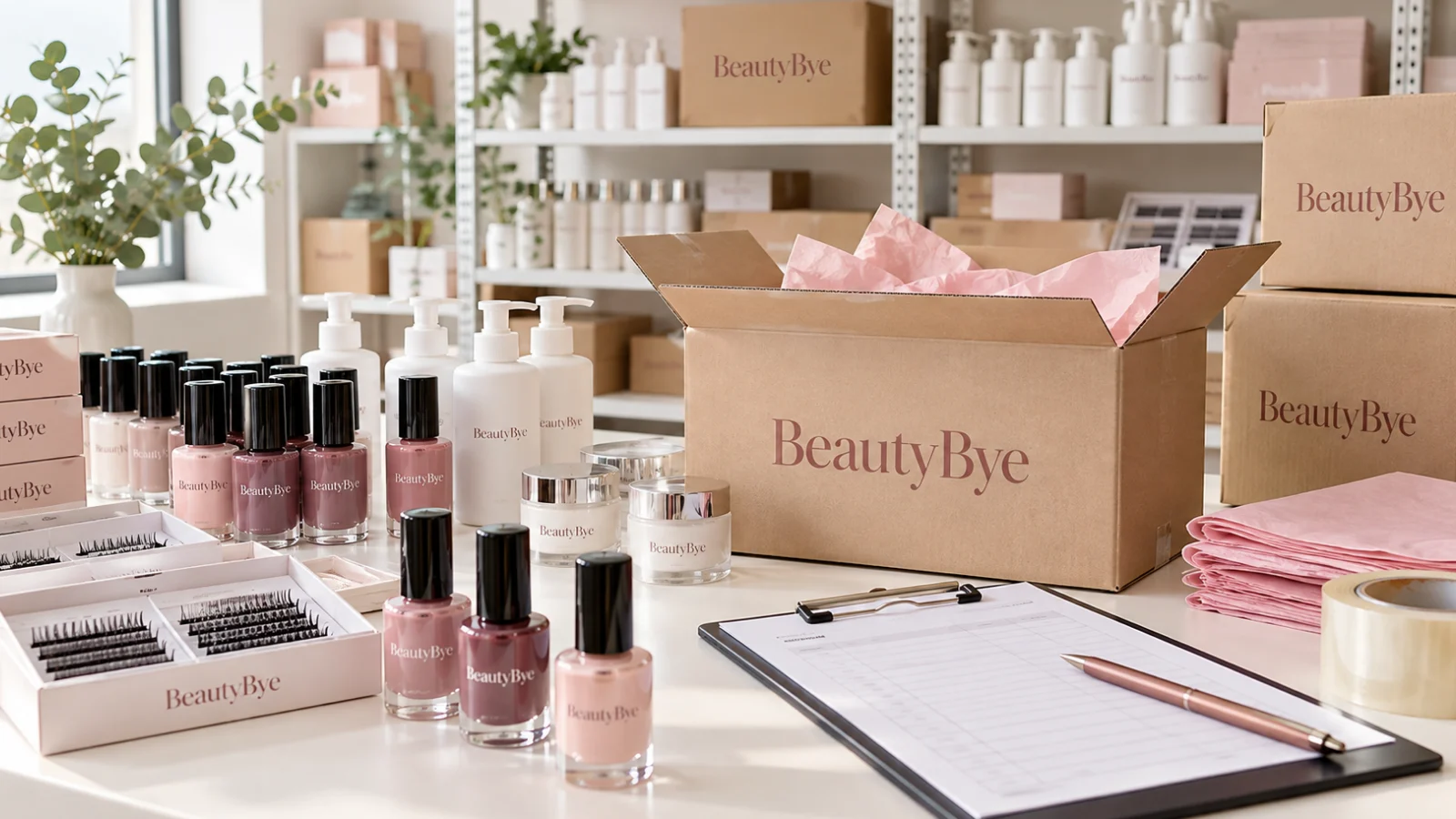
Closing a salon brings a long list of decisions, and what to do with the stock, furniture and equipment is one of the most practical. Handled well, a salon's contents can recover a meaningful amount of money, go to professionals who'll use them, and leave the premises clear on time. Handled late, they're sold cheaply in a rush or end up in a skip. What follows is a plan you can work through week by week.
Start Early
The single most important thing is to start before you have to. Large furniture can take time to sell. Products lose value as they get closer to their dates. And collection-only items need buyers who can collect before you hand back the keys.
If you know your closing date, work backwards from it.
Step 1: Audit Everything
Make a list of the salon's contents, grouped by type:
Furniture: beds, chairs, desks, trolleys, storage, reception furniture
Equipment: lamps, e-files, heaters, steamers, machines, extractors
Products: by category, with sealed or opened status and dates
Tools and consumables: unused tools and sealed disposables. Used blades, sharps and hygiene-sensitive tools can't be listed on BeautyBye, so plan to dispose of those safely
Retail stock
Fixtures: things fixed to the building, which may belong to the landlord or need to stay. Check your lease.
Step 2: Prioritise by Value and Time
Priority | Items | Why |
|---|---|---|
First | Large furniture and high-value equipment | Takes longest to sell; needs collection |
Second | Sealed products with shorter dates | Loses value quickly |
Third | Sealed products with long dates, retail stock | More time to sell |
Fourth | Low-value items and mixed lots | Sell in bundles near the end |
Last | Unsellable items | Dispose of properly |
Step 3: Decide What to Keep
If you're continuing to work elsewhere, whether mobile, renting a room or moving to another salon, decide what you'll take with you before listing anything. It's easy to sell a lamp you later need to replace.
Step 4: List Furniture and Equipment
photograph each item in good light, showing condition honestly
list make, model, dimensions, weight and condition
test electrical items and confirm they work
mention collection access: stairs, lifts, parking
set a clear latest collection date
Large furniture and equipment on BeautyBye is listed as collection-only, for a £5 listing fee. You and the buyer agree payment and collection directly, so agree the price, payment method and collection time in writing in BeautyBye messages. See where to sell second-hand salon equipment and collecting large salon equipment.
Step 5: List Products
sort into sealed and opened, and check dates
photograph labels, batch numbers and dates
list higher-value and popular products individually
create itemised bundles for mixed stock
don't list anything expired, opened and unsuitable, or unidentifiable
See how to sell surplus salon stock.
Step 6: Price for Your Timeline
Early in the process, you can price closer to fair market value. As your closing date approaches, lower prices on items that haven't sold. See how to price second-hand salon equipment and surplus stock.
Step 7: Manage Collections
With several buyers collecting, keep a simple schedule:
Item | Buyer | Collection date and time | Notes |
|---|---|---|---|
Treatment couch | Buyer A | Date, morning | Needs two people; stairs |
Styling chairs (3) | Buyer B | Date, afternoon | Bases detach |
Nail desk | Buyer C | Date, morning | Dismantle top beforehand |
Leave buffer time before your final key handover.
Step 8: Dispose of What's Left Properly
follow manufacturer disposal guidance for chemical products
follow local rules for chemical and electrical waste
recycle packaging where possible
donate usable non-client items, such as storage, where appropriate
A Sample Timeline for Clearing a Salon
Every closure is different, but working back from your final day helps. A salon with around two months' notice might plan like this:
Time before closing | Actions |
|---|---|
8 weeks | Audit everything; decide what you're keeping; photograph and list large furniture and high-value equipment |
6 weeks | List sealed products with shorter dates; respond to buyers; start booking collections |
4 weeks | List remaining sealed products and retail stock; create bundles for mixed items |
3 weeks | Review unsold furniture; lower prices where needed; confirm collection dates |
2 weeks | List final low-value bundles; arrange disposal for unsellable items |
1 week | Complete collections; dispose of remaining items properly; clean the premises |
Final day | Buffer for late collections; hand over keys |
If you have less notice, compress the timeline but keep the order: large items first, then short-dated products, then everything else.
Keeping Services Running While You Wind Down
Many salons keep trading while they sell their contents. A few practical points:
Don't sell equipment you still need. Sell spare beds or stations first, and the last working set near the end.
Keep enough stock for booked appointments. Sell surplus, not the products you need for clients still on the books.
Be clear with buyers about collection dates if an item is still in use until your last day.
What Tends to Sell Quickly, and What Doesn't
From the types of items salons typically sell:
Quick sellers: working lamps, e-files and heaters; electric treatment couches in good condition; matching sets of styling chairs; sealed products from popular professional ranges.
Slower sellers: large reception desks; very heavy or hard-to-move furniture; niche machines without manufacturer support; opened products; stock close to its dates.
Price slower sellers realistically from the start, and list them early.
Deciding What Goes to Whom
Some items from a closing salon naturally suit particular buyers:
Newly qualified professionals often want complete workstations: a desk and lamp, a couch and trolley.
Established salons often want matching furniture or specific equipment to add capacity.
Mobile professionals want compact, portable items.
Educators want practice stock and training equipment.
Professionals on your system want specific products and shades.
Writing listings with those buyers in mind, such as "Complete nail station: desk, lamp and extractor", helps the right people find them and often sells items faster than listing every piece separately.
Look After Yourself
Closing a salon can be emotional as well as practical. It helps to split the work into small steps, ask for help with heavy lifting and collections, and accept that not every item will sell for what it cost. The goal is a clear, orderly wind-down where good products and equipment go to professionals who'll use them.
Bundles for a Closing Salon
Bundling is one of the most effective ways to clear a salon quickly. Some bundles that tend to work well:
A complete nail station: desk, lamp, e-file and a starter set of products
A treatment room: couch, trolley, stool and magnifier lamp
A colour bundle: sealed colours and matching developers from one system
A training bundle: practice hands, tips and practice products for students
Itemise every bundle, show every item in the photos, and set the price so the bundle is clearly better value than buying the items separately.
Retail Stock and Gift Vouchers
If your salon sold retail products, sealed retail stock is often a quick sale to another salon stocking the same brand. If you sold gift vouchers or packages, plan how you'll honour or refund them before closing. That's separate from selling your contents, but clients will ask.
Staff, Clients and Records
Closing also involves your team, your clients' bookings and your records. Keep client records as required, and deal with any outstanding orders or commitments. Selling salon contents is one part of a wider closure plan.
For Buyers: Clearance Tips
If you're buying from a salon that's closing, see closing-down salon equipment: how to buy well from a salon clearance.
Selling Salon Contents on BeautyBye
A closing salon's contents are exactly what many BeautyBye buyers are looking for: matching furniture, working equipment and sealed stock from recognised ranges. Every buyer is a verified beauty professional. Products and smaller equipment sell through checkout. Large furniture and equipment is listed as collection-only, with payment arranged directly between you and the buyer.
Frequently asked questions
When should I start selling stock when closing a salon?
As early as you can. Large furniture can take time to sell, and products lose value as they approach their dates. Starting weeks before your closing date gives you time to sell at fair prices.
What sells best when a salon closes?
Treatment beds, styling chairs, nail desks, working equipment such as lamps, heaters and steamers, and sealed, in-date products from recognised professional ranges.
Should I sell everything as one lot?
Selling individually usually brings more money; selling in bundles or one lot is faster. Many salons do both: high-value items individually, the rest in bundles.
What about stock I can't sell?
Dispose of expired and chemical products following the manufacturer's guidance and local rules. Consider donating usable non-client items such as storage where appropriate.