Selling
How to Sell Surplus Salon Stock
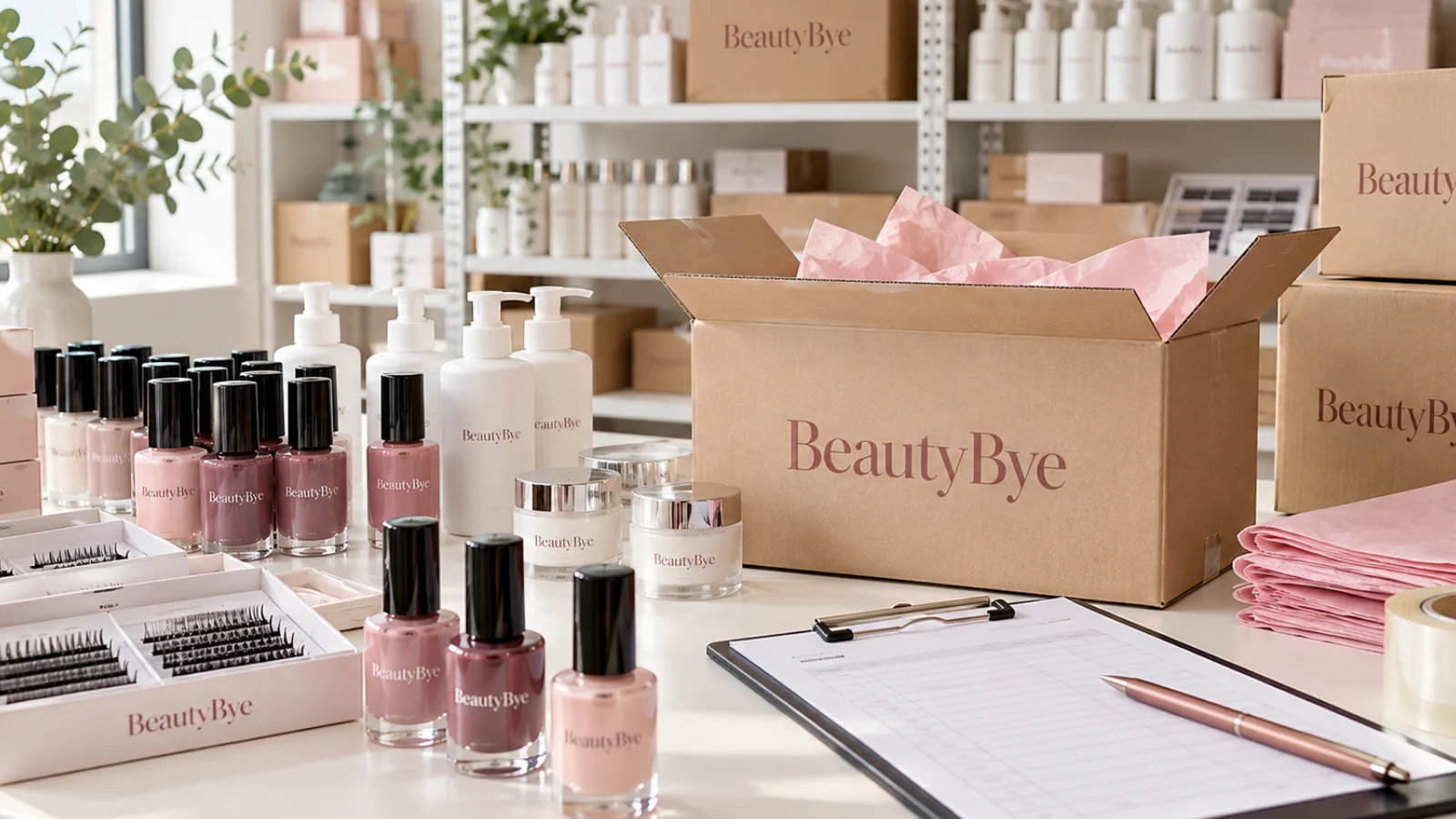
Every salon accumulates surplus. To sell salon stock well, you need to separate what's sellable from what isn't, describe it clearly enough that another professional can buy with confidence, and list it before the dates run out. The method below works whether you have one shelf of spare stock or a whole stockroom, and it takes less time than most salon owners expect.
Why Salons End Up With Surplus Stock
Brand changes: a new colour house, gel system or skincare partner
Service menu changes: dropping treatments
Bulk and bundle buying: trade offers and minimum orders
Staff changes: products specific to a technician who has left
Seasonal and trend stock that didn't sell through
Refits, relocations and closures
Surplus ties up cash and shelf space, and it loses value as it approaches its dates.
Step 1: Audit Your Stock
Go through every shelf, drawer and cupboard. For each product, record:
brand, product name, shade or size
quantity
sealed or opened
batch number and expiry or PAO
where and how it's been stored
A simple spreadsheet or a photo of each shelf with notes is enough.
Step 2: Sort Into Keep, Sell and Dispose
Group | What goes here |
|---|---|
Keep | Products you use regularly and will finish within their dates |
Sell | Sealed or clearly described products in date that you won't use, and working equipment you don't need |
Dispose | Expired products, opened chemical products you can't sell, used single-use items, damaged or unidentifiable stock |
Be strict about the dispose pile. Don't list anything expired, recalled, counterfeit, unsafe or unidentifiable, and don't list products without their original packaging, ingredients, batch number and date information. Dispose of chemical products following their instructions and any local rules.
Check for recalls
Before you list, search the UK government's Product Recalls and Alerts service for each product, and check again before you dispatch. It takes a few minutes and it's one of the seller duties in BeautyBye's Product Safety Policy.
Step 3: Decide Individual or Bundle
List individually: higher-value items, popular products, equipment, and items buyers search for specifically, such as a particular builder gel or lash tray.
Bundle: lower-value mixed items, part-used ranges, or themed sets such as a "gel polish shade bundle" or a "waxing starter bundle".
Always itemise bundles. Browse clearance bundles to see how others present them.
Writing a bundle listing
A good bundle listing reads like a stock list, not a mystery box. For example:
"Gel polish bundle, 8 colours, all sealed, from the same professional range. Shades listed below with photos of each bottle's label and batch. Expiry dates from next spring onwards. Stored in a closed drawer away from lamps and windows. Selling because the salon has changed gel system."
Then list every shade. Buyers skip bundles they can't see inside.
Step 4: Photograph Properly
Good photos sell stock:
natural light, plain background
the actual item, not stock images
the full label, batch number and expiry or PAO
seals intact, for sealed items
fill level, for opened items
for equipment: the whole item, the rating plate, and any wear
Step 5: Write Clear Descriptions
Include:
exact brand, range, shade or size
quantity
condition, using the right grade: New, New but opened, Sampled/swatched or a described Other for products; New, Like new, Good or Fair for equipment
batch and dates
storage
why you're selling
A clear description answers questions before they're asked and reduces disputes.
Step 6: Price Realistically
Check the current retail price for the same product and size, then adjust:
Stock | How to price it |
|---|---|
Sealed, long-dated, popular range | A modest saving on retail; it's the same product |
Sealed, discontinued shade or range | Depends on demand; loyal users may still want it |
Opened or swatched | Lower, in proportion to what's left and how it was stored |
Within a few months of expiry | Lower again, priced to sell quickly |
Mixed bundle | A clear saving on the individual prices |
See how to price second-hand salon equipment and surplus stock.
Step 7: List and Respond Quickly
List as soon as you've decided to sell. Stock loses value as it approaches its dates. Respond to buyer messages promptly, and keep conversations on BeautyBye.
Step 8: Pack and Dispatch Carefully
Surplus stock only sells well if it arrives in the condition described.
Seal liquids. Tape or film over caps and bag each bottle separately, so one leak can't ruin everything else.
Protect glass and pots with padding, and keep lash trays flat in a rigid envelope or box.
Fill empty space so nothing moves in transit.
Keep heat in mind. Don't leave wax, gels or adhesives somewhere hot before dispatch.
Check the service accepts the contents. Aerosols, flammables and some chemicals are restricted.
Use the label issued for the order, dispatch within the deadline, and keep proof of handover.
Large equipment and furniture are collection-only, with payment and collection arranged directly between buyer and seller. See where to sell second-hand salon equipment.
A Worked Example: Clearing a Stock Cupboard
To make the method concrete, here's how a small beauty salon might clear a cupboard of surplus in an afternoon.
The salon offers nails, lashes and brows, and recently changed its gel system and its skincare partner. The owner empties the stock cupboard onto a table and works through it.
Nails. Six sealed builder gels and nine sealed gel polish colours from the old gel system, all with long dates. Two opened top coats from the old system, both around half full. Decision: the sealed gels and colours are listed as a "complete system" bundle and as individual items. The opened top coats are finished on clients who are still on the old system, then the salon stops using them.
Lashes. Four sealed trays in a curl the lash tech never uses, and two sealed bottles of an adhesive she switched away from because it dried too slowly in her room. Decision: the trays are listed individually. The adhesive is sealed, with plenty of time before its expiry date, so it's listed with photos of the seal, batch and date, and a note about how it's been stored.
Brows. A sealed lamination kit from a course, still in date, plus tints in two shades rarely used. Decision: both are listed, with every component's dates photographed.
Skincare. Several sealed backbar bottles from the old skincare partner, with dates varying from four months to over a year. Decision: the shorter-dated bottles are listed first, at a lower price. An opened jar mask from the old range is past its PAO, so it's disposed of properly.
Disposables. Two sealed packs of gloves in the wrong size. Decision: listed as a small bundle.
Within an afternoon, the owner has a list of sellable items, a small pile for proper disposal, and a cupboard with space for the stock the salon actually uses.
What Sells, Category by Category
Nails: sealed builder gels and gel polish from current, well-known systems sell best, especially popular nudes, cover shades and colour collections. Discontinued lines still sell to techs who used them.
Lashes: sealed trays in common curls, thicknesses and lengths. Sealed adhesive with plenty of time before its date sells too, but opened adhesive shouldn't be listed.
Brows: sealed lamination kits and tints with long dates. Buyers check every component's date.
Waxing: sealed wax in popular formats, and sealed pre- and post-wax products.
Skincare: sealed backbar and retail stock with long dates. Short-dated stock sells if priced for it.
Hair: sealed colour tubes from well-known colour houses, and sealed developers from the matching range.
Disposables: sealed packs in common sizes. Opened packs of single-use items shouldn't be sold.
Common Mistakes When Selling Surplus
Waiting too long, so stock is close to its dates by the time it's listed.
Vague titles such as "salon clear-out", which nobody searches for.
Stock photos instead of photos of the actual item and its label.
Listing opened chemical products that no professional would buy for client use.
Unitemised bundles, which buyers skip.
Overpricing sealed stock at almost full retail, when a buyer could order it new with a warranty and a long date.
Slow replies to buyer messages.
What Buyers Look For in Surplus Stock
Understanding the buyer helps you list well. Professionals buying surplus salon stock typically want:
the exact product: they're usually looking for a specific range, shade or size
proof of condition: photos of seals, labels and dates
confidence in storage: especially for chemical products and skincare
a fair saving: surplus buyers expect to pay less than retail
a clear reason for sale: it reassures them the product isn't faulty
Listings that answer those points up front sell faster and attract fewer questions.
A Four-Week Clear-Out Plan
If you want the cupboard clear within a month:
Week 1: audit, sort into keep, sell and dispose, check for recalls, and dispose of what can't be sold.
Week 2: photograph and list everything in the sell pile, shortest-dated stock first.
Week 3: answer messages quickly, dispatch orders promptly, and review anything that hasn't had interest. Check its title, photos and price against similar listings.
Week 4: reduce prices on the remainder, turn leftover singles into bundles, and decide what to donate or dispose of.
What If It Doesn't Sell?
Some stock won't sell, however well it's listed. Sealed, in-date products and practice-suitable items can sometimes be donated to training academies or colleges for student practice. Ask first, because many have their own rules on what they can accept. Anything expired, opened chemical products and damaged stock should be disposed of following the manufacturer's instructions and your local rules. See what happens to unwanted professional beauty products.
Preventing Surplus in the Future
Selling surplus recovers money, but preventing it saves more. See how salons can spend less on stock without buying cheap for ordering and storage habits that reduce surplus.
Keeping Records of What You Sell
Keep a simple record of each sale: the item, the price, the date and the order. It helps if a buyer raises a question, and it's useful at tax time. You're responsible for the tax treatment of your own sales, and online marketplaces, BeautyBye included, may report sellers' sales information to HMRC under the UK's platform reporting rules. If you sell regularly, ask your accountant how it affects you.
Handling Buyer Questions
Buyers often ask questions before buying, especially about dates and storage. Quick, clear answers help listings sell. Keep a note of each product's batch number, expiry date and storage history while you're sorting, so you can answer straight away. If you don't know something, say so, rather than guessing.
Surplus Stock From a Team
If several team members use the same stock, surplus often builds up because nobody owns the ordering. Before selling, check whether anyone is planning to use a product, and agree who manages the listings and dispatches orders. After the clear-out, a single person responsible for ordering usually prevents the same surplus building up again. See how to spend less on salon stock.
Is It Worth Listing Small Items?
Individual small items, such as a single gel polish or a pack of files, may not seem worth listing. They often are, if they're in a shade or brand people look for. For lower-value mixed items, a bundle is usually better: less work for you and good value for the buyer. Group products that belong together, such as a set of shades from the same range, or a starter bundle of tools and consumables.
Closing or Downsizing?
If you're clearing a whole salon, see closing a salon? What to do with your remaining stock.
Getting Paid
For parcel orders, buyers pay through BeautyBye's checkout. After delivery there's a 48-hour review window in which the buyer can raise an issue. Once it has passed, and provided your payout setup is complete and nothing is under review, your proceeds are scheduled for payout. Standard listings have no upfront listing fee, and any fee that applies is shown before you confirm.
Selling Salon Stock on BeautyBye
BeautyBye buyers are all verified beauty professionals, many of them looking for exactly the ranges salons move away from. Listings are checked against the Product Safety Policy, and some are held for review before they go live.
Frequently asked questions
What salon stock sells best?
Sealed, in-date products from recognised professional ranges, especially popular categories such as builder gels, gel polish shades, lash trays, wax and skincare, sell most easily.
Should I sell stock individually or as a bundle?
Individually for higher-value or popular items, and in bundles for lower-value mixed stock. Itemise bundles clearly so buyers know what's included.
Can I sell opened salon stock?
Only where it's lawful and safe, the condition is described accurately, and the product is still within its dates. Opened chemical products and used single-use items are generally unsuitable.
When is the best time to sell surplus stock?
As early as possible, once you know you won't use it, while it still has plenty of time before its expiry or PAO date.