Selling
How to Price Second-Hand Salon Equipment and Surplus Stock
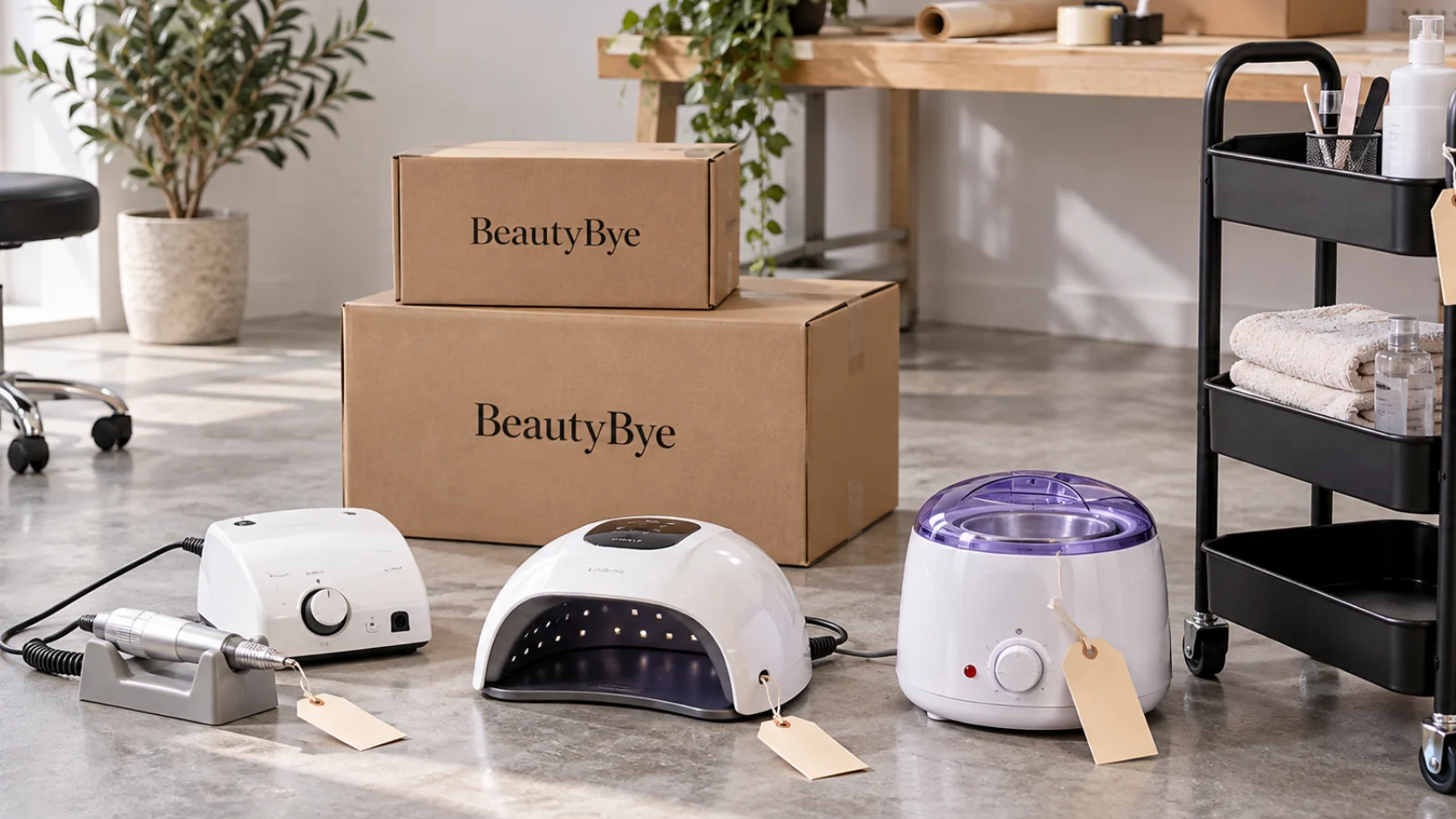
Knowing how to price used salon equipment and surplus stock is the difference between a quick sale at a fair price and either leaving money on the table or waiting weeks with no interest. Pricing isn't an exact science, but a simple five-step method gets you close, and it works for a treatment couch, a nail lamp or a drawer of sealed gels.
The Pricing Method
Find the current new price of the same or equivalent item.
Adjust for age and condition.
Adjust for completeness and history.
Compare with similar used listings.
Adjust for demand and your timeline.
Step 1: Start From the New Price
Look up what the same model, or the closest equivalent, costs new today. For products, use the current retail price for the same size. This is your ceiling. Buyers won't pay near-new prices for used items without good reason.
Step 2: Age and Condition
Condition grades give a starting point:
Condition | Description | Pricing direction |
|---|---|---|
New | Unused, as new | Closest to the new price |
Like new | Minimal signs of use, fully working | A clear discount from new |
Good | Normal wear, fully working | A larger discount |
Fair | Noticeable wear or cosmetic issues, working | Lower again |
Age matters too. Older models may lack features buyers now expect, or may no longer be supported.
Step 3: Completeness and History
Adds value:
all accessories, handpieces, pedals and attachments
manuals and original packaging
recent service records
recent test records, such as PAT
a brand with good support and available parts
Reduces value:
missing parts or accessories
repairs, especially undocumented ones
a brand or model no longer supported
cosmetic damage such as upholstery splits or chipped surfaces
Step 4: Compare Used Listings
Look at similar used items currently listed. That shows you the realistic range. Note that asking prices aren't always selling prices. Items that sit unsold are often priced too high.
Step 5: Demand and Timeline
High demand items such as popular lamps, quality e-files, electric beds and matching chair sets can be priced towards the top of the range.
Niche items may need lower pricing, or more patience.
Deadlines, such as a salon closure, mean pricing to sell. See closing a salon.
Collection-only items appeal to buyers within travelling distance, so price realistically.
Pricing Surplus Products
Product situation | Pricing approach |
|---|---|
Sealed, long dates | Below current retail |
Sealed, shorter dates | Lower, to reflect the time left |
Opened, lightly used | Lower, reflecting the remaining product |
Opened, part-used | Lower still, based on the remaining quantity |
Near expiry | Lowest, to sell quickly |
Bundles | A clear saving compared with buying individually |
Remember that buyers of surplus products are looking for professional products for less. The saving needs to be meaningful, especially for opened items, where buyers take on extra checks.
Pricing Furniture
Furniture pricing depends heavily on condition and collection:
Upholstery condition has a big effect on value.
Mechanisms matter: a working hydraulic pump or electric motor is essential.
Matching sets can command better prices.
Collection difficulty, such as stairs or no parking, may reduce what buyers will pay.
Worked Example: Pricing a Used Electric Couch
Say a seller has an electric treatment couch, around four years old, all motors working, with minor wear on one armrest.
New price: the seller checks the current price of the same model, or the closest equivalent.
Condition: "Good", fully working with minor wear, so a clear discount from new is appropriate.
Completeness: handset and foot control included, which supports the price. The manual is downloadable.
History: no repairs, used in a single-room salon. That's a positive.
Comparable listings: similar couches are listed within a range. The seller positions theirs in the middle, given the minor wear.
Collection: ground-floor access with parking makes it easier to sell.
Timeline: no rush, so the seller starts mid-range and reviews after a couple of weeks.
Worked Example: Pricing Surplus Builder Gel
A nail tech has five sealed builder gels from a system they've left, all with long dates, plus two bottles opened for a trial on practice tips (never used on clients), each around half full.
Sealed bottles: priced below current retail, reflecting that they're a resale, with a small extra discount for buying all five together.
Opened bottles: priced around the value of the remaining product, less a discount for being opened, and described clearly, including that they were only used on practice tips. Products that have been used on clients shouldn't be listed at all.
Bundle option: all seven together at a price that makes the bundle clearly better value than buying individually.
Price Presentation Tips
Mention the new price for reference, if it helps buyers see the saving.
Explain any discount, for example "priced to reflect wear on the armrest".
Be consistent. Similar items in similar condition at similar prices build trust.
How Buyers Judge Your Price
It helps to price from the buyer's point of view. A professional considering your listing will usually:
look up what the same item costs new
compare your listing with two or three similar used listings
look closely at your photos for wear you haven't mentioned
factor in the cost and effort of collection or delivery
consider any cleaning, recovering or servicing they'll need to do
If your price is higher than comparable items, the listing needs to explain why: better condition, lower age, recent service, all accessories, easy collection. If it's lower, the listing sells faster. Either way, an honest description with good photos makes the price easier to accept.
Pricing When You Need to Sell Quickly
When you're on a deadline, such as a salon closure, a move or a refit date, speed matters more than getting the last pound. In that situation:
price competitively from the start, rather than starting high and dropping later
bundle related items so a buyer can take several at once
make collection easy, with clear access details and flexible times
state your deadline in the listing so buyers know to act
A fair price that sells in a week is usually worth more than a higher price that means paying for disposal when the deadline arrives.
Pricing Bundles and Sets
When you sell items together, the price should make the bundle clearly better value than buying each item separately, while reflecting that the buyer is taking everything, including items they may value less. A practical approach is to price each item individually, add them up, and then apply a discount for the convenience of a single sale. Always itemise the bundle so buyers can see exactly what's included and in what condition.
For matching sets of furniture, such as several identical styling chairs, you can often ask a little more per chair than for a single chair, because a matching set is harder to find. Check each item in the set individually, and price in any individual repairs.
Being Transparent About Faults
If an item has a fault, say so, and price it accordingly. A couch with one slow motor, a chair with a worn seat or a lamp with a dead LED still has value to a buyer who knows about the fault and can repair it. Undisclosed faults lead to disputes, returns and unhappy buyers.
Safety faults are different. Electrical items with a damaged casing, cable, plug, battery or safety feature, such as a thermostat that doesn't control temperature, can't be listed on BeautyBye, however low the price. Get them repaired properly or recycle them.
Adjusting Over Time
If an item hasn't attracted interest after a reasonable time:
check your photos and description are clear
compare with similar listings again
lower the price in steps
Common Pricing Mistakes
pricing based on what you paid, not what it's worth now
ignoring missing accessories or wear
pricing opened products close to retail
holding out for a high price when you're on a deadline
For facial machines, manufacturer support and consumables availability have a big effect on value. See second-hand facial equipment.
A Pricing Worksheet
For each item, write down:
the current new price of the same or nearest equivalent model
its age and condition grade
any faults, missing parts or repairs needed
whether it's collection-only
prices of similar second-hand listings
the lowest price you'd accept
Setting your lowest acceptable price before listing makes it easier to respond to offers calmly and consistently.
Selling on BeautyBye
Buyers on BeautyBye are verified professionals who know what equipment and stock cost new, so realistic, well-explained prices sell. Standard listings have no upfront listing fee. Collection-only large equipment and furniture carries a £5 listing fee, and its sale price is paid directly between buyer and seller. Any fee is shown before you confirm; see the pricing page.
Frequently asked questions
How much is used salon equipment worth?
It depends on the current new price, age, condition, completeness, service history, brand and demand. Compare similar used listings to find a realistic range.
How should I price surplus beauty products?
Start from current retail for the same product and size. Price sealed, in-date stock below retail, opened stock lower to reflect what's left, and products near expiry lower still.
Should I price high and negotiate?
Pricing close to a realistic value usually sells faster than pricing high. If you're on a deadline, such as a closure, price to sell.
What adds value to used equipment?
Full working order, recent service or test records, all accessories and manuals, clean condition, and a popular, supported brand.