Skincare
Second-Hand Facial Equipment: A Buyer's Checklist for Skin Therapists
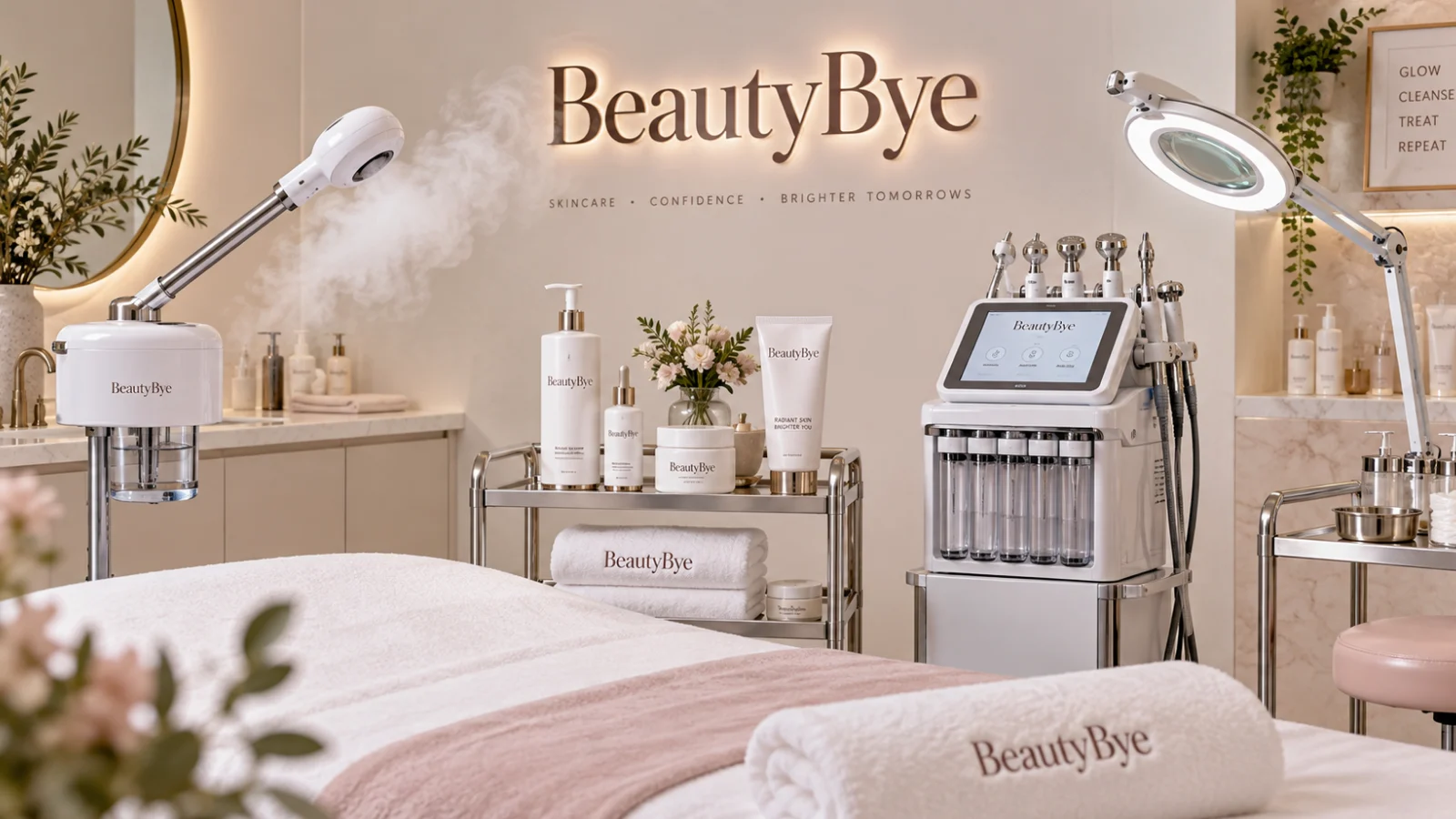
Second-hand facial equipment is one of the biggest opportunities for skin therapists to save money. Steamers, magnifier lamps, LED panels, high-frequency units and multi-function facial machines are expensive new, but they're regularly sold when salons refit, move to different treatment brands or close. A well-maintained used device can give years of service.
The flip side is that facial equipment is electrical, often has handpieces and consumables, and is used on the face. Buying well means checking condition, support and hygiene, not just price.
Types of Facial Equipment and What Matters for Each
Equipment | What to focus on when buying used |
|---|---|
Facial steamer | Water tank and boiler condition, limescale, ozone function (if fitted), arm stability, electrics |
Magnifier lamp | Lens condition, lighting, arm and joints holding position, electrics |
LED panel or mask | All LEDs working, housing, arm or stand, manufacturer information, treatment settings |
High-frequency unit | Glass electrodes intact, handpiece and cable condition, controls |
Galvanic and microcurrent devices | Handpieces, cables and electrodes, control settings, manufacturer support |
Microdermabrasion | Handpiece, tips and filters, suction, consumables availability |
Hot towel cabinets | Heating element, door seal, interior condition, electrics |
Multi-function facial machines | Every function tested, handpieces present, manufacturer support |
The Core Checklist for Any Used Facial Device
1. Identify the exact make and model
You need the make and model to find the manual, check whether the manufacturer still supports the device, and find replacement parts and consumables. Be cautious of devices with no manufacturer name, no rating plate and no model number.
2. Test every function
Ask the seller to confirm every function works, or see it working. Multi-function machines often have one function that stopped working and was never repaired. Ask specifically about each handpiece and each setting.
3. Check electrical condition
cable, plug and connectors undamaged, with no taped repairs
UK plug, correctly fitted
housing with no cracks, burns or signs of overheating
controls and displays work
safety markings and a rating plate present
Many salons maintain electrical equipment with regular checks, often including portable appliance testing (PAT). Ask whether the device has a recent test record.
4. Check handpieces, attachments and accessories
Handpieces are often the most expensive and most fragile parts. Check cables where they enter the handpiece, which is a common failure point. Glass high-frequency electrodes should be intact with no cracks. Check that everything listed is actually included.
5. Ask about consumables and parts
Some devices rely on consumables such as tips, filters, pads and gels. If they're no longer manufactured, or are only available through a distributor who won't supply second-hand buyers, the device may be hard to use. Check availability before you buy.
6. Service and repair history
Ask when it was last serviced, whether it's been repaired and by whom, and whether there are records. Devices maintained by a manufacturer or authorised engineer are usually a safer buy than ones with unknown history.
7. Manufacturer support and warranty
Warranties are often not transferable. Check whether the manufacturer will still service the device for a new owner.
8. Training requirements
Some treatment devices require manufacturer or specialist training, and your insurer may ask for evidence of it. Check what training the device requires and whether you can access it.
Hygiene: Getting a Used Device Ready
When a second-hand facial device arrives:
clean and disinfect all surfaces and durable attachments according to the manufacturer's instructions
replace single-use items, such as tips, filters and pads, rather than reusing them
descale steamers according to the manufacturer's method, using the recommended water type
test the device fully before any client use
add it to your equipment maintenance and testing schedule
Steamers: Specific Checks
Facial steamers are among the most common second-hand skincare items.
Tank and boiler: heavy limescale suggests hard water use without regular descaling. Descale before use, following the manufacturer's method.
Water type: many manufacturers specify distilled water. Ask what was used.
Steam output: should be steady, with no spitting or sputtering.
Ozone function: if the steamer has one, check it works as described in the manual, and follow the manufacturer's guidance on use.
Arm and stand: the arm should hold its position, and the stand should be stable on its wheels.
LED Devices: Specific Checks
All LEDs working: check every panel and every colour setting.
Treatment programmes: check the controls and timers work.
Manufacturer information: LED devices vary widely. A clearly identified professional device with a manual is a better buy than an unbranded panel.
Eye protection: make sure appropriate eye protection is available, as the manufacturer specifies.
Treatment Claims and Second-Hand Devices
Be careful with the claims you make to clients about what a device does, LED devices especially. Base treatment descriptions on the manufacturer's current guidance and your training, not on old marketing materials that came with a second-hand device. If a device requires manufacturer training to use or insure, arrange that training before offering the treatment, even if the previous owner was trained. Buying the equipment doesn't transfer the previous owner's qualifications or insurance.
Planning Consumables Before You Buy
For devices that rely on consumables, such as tips, filters, pads or specific gels, work out the ongoing cost before you buy. A device that's cheap to buy but expensive or difficult to keep supplied may cost more over a year than a slightly more expensive device with readily available consumables. Ask the seller where they bought consumables, and check that the supplier will sell to you.
Selling Your Own Facial Equipment Later
If you buy a device second-hand and later upgrade, the same buyers' questions will apply to you. Keeping the manual, service records, consumables supplier details and a test record makes the device easier to sell on, and usually at a better price.
What Can't Be Listed
BeautyBye's Product Safety Policy doesn't allow some items to be listed, however good their condition:
regulated medical devices, unless BeautyBye has expressly enabled that class after a compliance review
used sharps and invasive items, such as used needles or needling cartridges
electrical items with a damaged casing, cable, plug, battery or safety feature, and modified or recalled items
If a device's regulatory status is unclear, check the manufacturer's documentation before buying or selling it.
When to Walk Away
No make, model or rating plate
Visible electrical damage or evidence of amateur repairs
A function that doesn't work, and the seller can't explain why
Missing handpieces, or cracked glass electrodes
Consumables no longer available
Training requirements you can't meet
A price far below similar used devices, with no explanation
Pricing a Used Facial Device
Used equipment prices depend on age, condition, brand, completeness, service history and whether the model is still supported. A device that's fully working, recently serviced, complete with all handpieces and manuals, and still supported by the manufacturer is worth considerably more than one missing parts or support. Compare against the current new price and other used listings for the same model. See how to price second-hand salon equipment for the factors in more detail.
Collection and Delivery
Smaller devices can be posted, well packed, and paid for through BeautyBye's checkout. Large items listed as large equipment are collection-only, with payment and collection arranged directly between buyer and seller, so inspect and test before you pay. Whichever it is, protect fragile parts such as glass electrodes and lenses, and keep the device upright where the manufacturer requires it. See second-hand salon equipment: what to check before buying.
Treatment Couches
A facial room also needs a comfortable, adjustable couch. See used beauty beds and treatment couches.
Facial Equipment on BeautyBye
Steamers, magnifier lamps and facial machines on BeautyBye usually come from verified skin therapists and salons that have refitted, changed treatment brands or closed. Equipment listings are graded New, Like new, Good or Fair, with photos and seller notes. Before buying, ask about testing, service history, consumables and any training the device needs.
Frequently asked questions
Is it worth buying used facial equipment?
Often, especially for durable items such as steamers, magnifier lamps and well-maintained devices from salons that are refitting or closing. The value depends on condition, service history, availability of consumables and parts, and whether the manufacturer still supports the model.
What should I ask the seller of a facial machine?
Ask for the make and model, age, how often it was used, service and repair history, what's included (handpieces, heads, cables, manuals), whether consumables are still available, and why it's being sold.
Do I need training to use second-hand facial devices?
Some devices require manufacturer or specialist training, and your insurer may require evidence of it. Buying equipment second-hand doesn't include that training, so check before you buy.
Can used handpieces and attachments be reused?
Durable attachments can often be cleaned and disinfected according to the manufacturer's instructions. Single-use tips, filters and pads should be replaced, not reused.