Skincare
Discounted Professional Skincare: Buying Surplus Salon Skincare Carefully
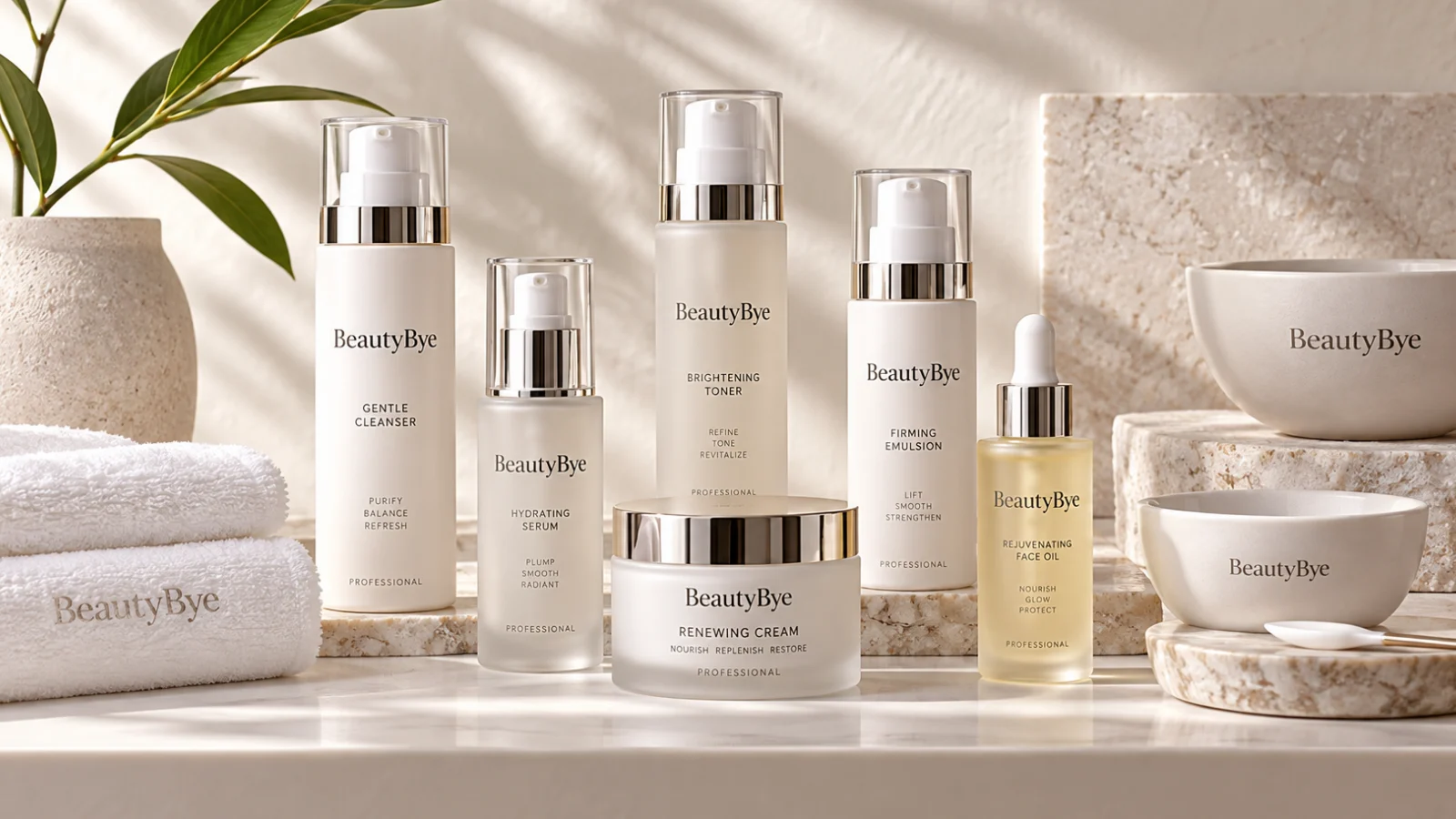
Discounted professional skincare can save a skin therapist or salon a lot of money. Backbar sizes are expensive, ranges change, and salons often end up with sealed stock from a brand they've stopped using. But skincare is more sensitive to time, air, light and heat than many other beauty products, and much of it goes straight onto a client's face. Buying surplus skincare well comes down to three things: packaging, dates and storage. It also means knowing which products to leave alone.
Why Salons End Up With Surplus Skincare
Professional skincare surplus usually comes from ordinary business decisions rather than problems with the products:
Changing brands. A salon moves to a new skincare partner and has sealed backbar and retail stock from the old range.
Range updates. Manufacturers reformulate or repackage, and salons are left with the previous version.
Over-ordering to meet trade minimums or promotions.
Dropping treatments. A salon stops offering a particular facial and the dedicated products become surplus.
Retail stock that didn't sell before the salon changed direction.
Closures and refits, which clear whole cupboards of stock.
That creates a supply of professional skincare at lower prices, often sealed.
Why Skincare Needs More Care Than Most Surplus Stock
Preservation and air exposure
Most skincare contains preservatives designed to protect the product for a certain period once opened, assuming normal use. Every time a jar is opened or a pump is used, air and potential contaminants get in. Once that protection period ends, the product may no longer be protected against microbial growth, even if it looks and smells normal.
Active ingredients
Many professional products contain active ingredients such as acids, retinoids and vitamin C derivatives. Some are sensitive to light and air and can degrade over time. A degraded product may simply not work as intended. A product that has changed may also irritate.
Heat and light
Storage in a hot room, a sunny window or a car can shorten a product's life well before its printed date.
Direct contact with the face
Skincare used in a facial is applied to the face, around the eyes, and sometimes to freshly exfoliated skin. The consequences of using a compromised product are more visible, and potentially more serious, than for many other beauty products.
Understanding Dates on Skincare Packaging
UK cosmetics labelling generally uses one of two date formats:
A best-before or minimum durability date, used where a product's minimum durability is relatively short.
The PAO (period-after-opening) symbol, an open jar icon with a number of months such as 6M, 12M or 24M, showing how long the product is intended to be used after opening.
Along with the date or PAO, check the batch number, which lets the product be traced, and the manufacturer or responsible person details.
When buying surplus, you need to know both how old the product is and whether it's been opened. A sealed product with a long PAO is very different from an opened product that's been in use for most of its PAO period.
What to Check Before Buying Discounted Skincare
1. Product identity
The exact brand, product name, size and version, whether backbar or retail. Formulations change, so older packaging may mean an older formulation.
2. Sealed status
For client treatments, sealed products are the straightforward buy. Look for intact seals, shrink-wrap, tamper-evident caps or unbroken pump mechanisms. Ask for photos.
3. Dates and batch
Ask for photos of the batch number and any best-before date. For opened products, ask when they were opened, and compare that with the PAO.
4. Storage history
Ask how the stock was stored: in a closed cupboard at normal room temperature, away from sunlight and heat. Stock kept in a hot stockroom, a window display or a vehicle isn't worth the risk.
5. Packaging type
Airless pumps and sealed tubes protect product better than open jars. An opened jar that fingers or spatulas have been dipped into is more exposed than an airless pump.
6. Instructions and training
For professional-only products, especially peels and treatment solutions, you need the manufacturer's instructions and, often, the brand's training. Buying the product doesn't give you the training that some professional ranges require.
Products: Sensible Buys and Ones to Avoid
Product type | Buying surplus | Notes |
|---|---|---|
Sealed cleansers, toners, masks, serums, moisturisers | Sensible | Check dates, batch and storage |
Sealed retail stock | Sensible | Check dates; may suit retail or treatment use |
Sealed backbar sizes | Sensible, if you'll use them in time | Large sizes need high usage within the PAO |
Sealed professional peels and treatment solutions | Only with instructions and appropriate training | Follow the manufacturer's protocols; some are restricted in the post as dangerous goods |
Opened airless pump products | Case by case | Check opening date and PAO; many therapists avoid for client use |
Opened jars | Generally avoid for client work | Higher contamination risk |
Opened peels and chemical solutions | Avoid | Strength and stability can't be verified |
Decanted or relabelled products | Not allowed on BeautyBye | Identity and traceability lost |
Samples and minis | Sensible if sealed and in date | Useful for trying a range |
Backbar vs Retail: Choosing the Right Size
Backbar sizes are designed for use across many treatments. They're great value if you use them quickly, but a large backbar bottle used slowly can pass its PAO before it's finished. When buying surplus backbar stock:
estimate how many treatments you do with that product each month
work out whether you'll finish it within its PAO once opened
consider smaller sizes if your usage is low
Retail sizes can be used as treatment products in lower-volume practices, and they may be easier to use up in time.
Skincare Devices and Equipment
Facial equipment, including steamers, LED devices, high-frequency units and facial machines, is a separate category with its own checks: electrical safety, consumables and manufacturer support. See second-hand facial equipment: a buyer's checklist.
A Worked Example: Buying Surplus Backbar Stock
A skin therapist sees a listing for six sealed backbar cleansers and four sealed serums from a salon that has changed skincare partner. The cleansers have over a year left before their best-before date. The serums have about seven months. She asks for photos of the seals, labels and batch numbers, and asks how they were stored; the seller confirms a closed stockroom cupboard. She estimates she uses one backbar cleanser a month and one serum every six weeks, so she'll finish the cleansers comfortably and most of the serums in time. She buys the cleansers and three serums, not four, because the fourth would likely pass its date before she opened it.
Retail Stock as a Resale Opportunity
Salons that change skincare partners often have sealed retail products left on their shelves, in client-friendly sizes. For another salon that stocks the same brand, that retail stock can be bought for less and sold to clients at the normal price, as long as dates allow. For a smaller or newer practice, retail sizes can also serve as treatment products, because they're easier to finish within their PAO than large backbar bottles. Either way, check dates carefully: retail stock has sometimes sat on display shelves under bright lights, which is worth asking about.
Spending Less on Skincare Without Buying Cheap
Choose ranges you'll stick with. Constant brand changes create surplus.
Match sizes to usage so products are finished within their PAO.
Track opening dates on every backbar product.
Store stock properly: closed cupboard, stable temperature, away from light.
Sell surplus sealed stock early, while it has plenty of time left.
For salon-wide stock management, see how salons can spend less on stock without buying cheap.
Buying Professional Skincare on BeautyBye
Skin therapists and salons on BeautyBye sell sealed backbar and retail stock from ranges they've moved away from, to other verified professionals. BeautyBye's Product Safety Policy requires cosmetics to keep their original packaging, legible ingredients, batch information and date or PAO marking, and prohibits expired, decanted and contaminated products. Each listing shows its own condition grade (New, New but opened, Sampled/swatched or a described Other) with photos and notes, so check the seal, dates and storage for each one. See condition grades explained.
Frequently asked questions
Is it safe to buy opened professional skincare?
Opened skincare has been exposed to air and possibly contamination, and its period-after-opening clock is running. Many therapists only buy sealed products for client treatments. Check the PAO symbol, the opening date and the storage history if you consider opened stock.
What does the PAO symbol mean?
The period-after-opening symbol, an open jar with a number such as 6M or 12M, shows how long the product is intended to be used after it's opened. Products with a shorter minimum durability usually show a best-before date instead.
Can I buy professional peels second-hand?
Only sealed, in-date peels from a recognised professional range, with full instructions, used within your training, insurance and the manufacturer's guidance. Opened peel solutions aren't a sensible second-hand buy.
Should I buy decanted skincare?
No. Decanted products have lost their original labelling, batch information and packaging integrity, so you can't confirm what they are or trace them.