Waxing
Setting Up a Waxing Room on a Budget
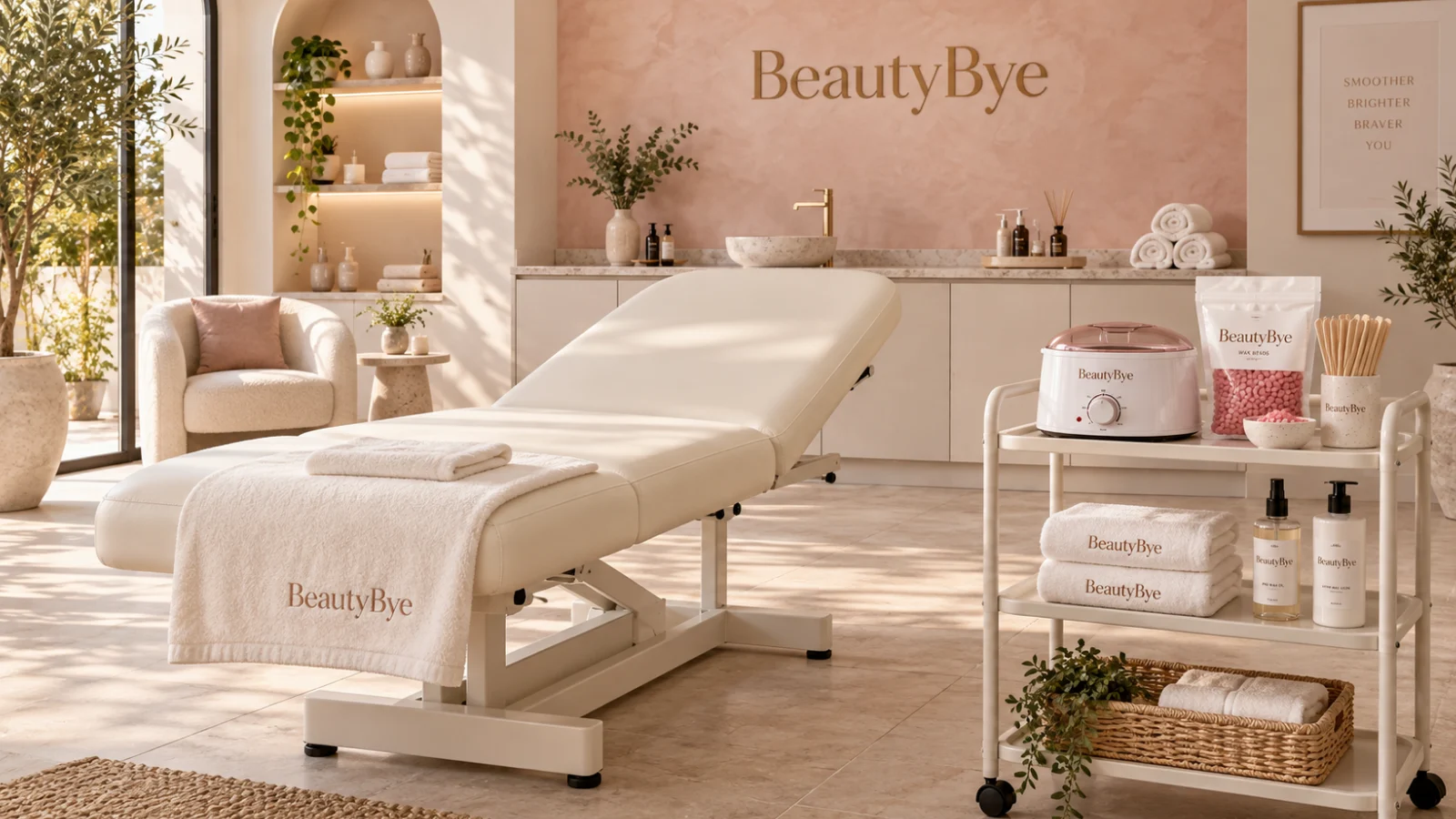
A waxing room setup doesn't need to be expensive. Most of the equipment in a waxing room, including the couch, trolley, stool, lamp and heater, lasts for years and is regularly sold when salons refit or therapists change services. Buy that second-hand after proper checks, buy consumables and products sealed, and the setup cost drops considerably. Here's a complete waxing room, item by item, with what to buy used and what to buy new.
The Waxing Room Equipment List
Item | Buy second-hand? | Notes |
|---|---|---|
Treatment couch | Often yes | Check stability, upholstery and adjustment (bed guide) |
Trolley | Yes | Check wheels and shelves |
Therapist stool | Yes | Check gas lift and wheels |
Wax heater(s) | Often yes, after checks | Thermostat is key (heater guide) |
Magnifier or task lamp | Often yes | Check electrical condition |
Couch roll holder | Yes | Simple item |
Waste bin with lid | New or second-hand | Pedal-operated is easier |
Wax | Sealed | Match to heater and services |
Pre- and post-wax products | Sealed and in date | Used on skin |
Spatulas, strips, couch roll, gloves | Sealed | Single-use |
Hygiene supplies | New | Disinfectant, sanitiser, your procedures |
Furniture: Where the Biggest Savings Are
Treatment couch
A couch is usually the largest single purchase. Second-hand couches from salon refits and closures can be excellent value. Check:
the frame is stable with no wobble
upholstery is intact, because splits and cracks can't be cleaned properly
height adjustment works, whether fixed, hydraulic or electric
backrest and leg sections adjust and lock
width and height suit your working position
On BeautyBye, couches are listed as collection-only, with payment arranged directly with the seller, so see the couch working before you pay and plan transport in advance. See collecting large salon equipment and used beauty beds and treatment couches.
Trolley and stool
Trolleys and stools are simple and durable. Check that wheels roll and lock, shelves are secure, and the stool's gas lift holds height.
Lighting
Good lighting matters for waxing accuracy, especially for brows and face. Magnifier lamps and task lights are often sold second-hand. Check the cable, plug, switch and that the arm holds position.
Wax Heaters
Your heater choice depends on the waxes you use:
Tin heater for strip wax and some hot waxes in tins
Bead pot for hot wax beads
Roller cartridge heater for roller wax
Multi-pot station for several waxes at once
A second-hand heater can be a good buy if the thermostat works properly and the cable, plug and housing are undamaged. Read second-hand wax heaters: what to check before buying.
Your First Wax Stock
A common mistake is stocking too many waxes too soon. A focused start:
One hot (film) wax for sensitive areas and face.
One strip wax for legs and larger areas, if you offer them.
Pre-wax cleanser and post-wax lotion or oil.
Spatulas, strips, couch roll and gloves.
Buy in quantities you'll use in the first few months. Once you know which services are popular, expand.
Surplus sealed wax from other therapists is a good way to stock up for less. See cheap waxing supplies vs professional wax for less.
Consumables and Hygiene
Waxing uses a lot of single-use items. Never double-dip spatulas, and dispose of used strips, spatulas and gloves correctly.
Buy consumables in sensible quantities, and consider sealed surplus packs.
Keep a lidded bin in the treatment room.
Follow your local authority's requirements and your hygiene procedures.
Browse disposables for sealed surplus consumables.
Choosing Your First Waxes
The waxes you start with should match the services you'll offer most. A simple way to decide:
If you'll mostly do face, brows, underarms and intimate waxing, start with a good hot (film) wax. It grips short and coarse hair and is generally gentler on delicate areas.
If you'll mostly do legs and arms, start with a strip wax, or roller wax if you prefer the cartridge system.
If you'll do both, one hot wax and one strip wax covers most services.
Resist buying a wide range at the start. Therapists often end up with half-used tins of waxes they tried once. Surplus sealed wax from other therapists is a sensible way to try a different wax without committing to a large order.
Pre- and Post-Wax Care
Pre-wax cleansers remove oils and product from the skin, helping wax grip. Post-wax products soothe the skin and remove residue. Buy them sealed and in date, in sizes you'll use within their PAO. These are used on freshly waxed skin, so this isn't the place to buy opened products second-hand.
Hygiene Setup
A waxing room needs a clear hygiene routine from day one:
a clean spatula every time wax is taken from the pot, and never double-dip
single-use strips, spatulas and gloves
couch roll replaced between clients
surfaces cleaned and disinfected between clients
a lidded bin for waste
heater cleaned as the manufacturer directs
Build these into the room layout, with consumables within reach and a bin by the couch, so the routine is easy to follow during busy days.
A Week-One Checklist for a New Waxing Room
Before your first client, run through a simple checklist:
The couch is stable, adjusts properly, and is covered with fresh couch roll.
The heater holds the wax manufacturer's working temperature, checked with a thermometer.
Wax, pre-wax cleanser and post-wax products are sealed, in date and within reach.
Spatulas, strips, gloves and a lidded bin are on the trolley.
Lighting is positioned so there are no shadows over the treatment area.
Cables run safely away from where you and the client will walk.
Your hygiene routine is written down and easy to follow.
Your insurance and any local authority licensing or registration for the services you offer are in place.
Running through this once, then checking it at the start of each day for the first week, builds good habits early.
Growing the Room Over Time
Once the room is working, add equipment only when your bookings justify it. A second heater makes sense when you're regularly running two waxes at once. An electric couch makes sense when appointments are long enough that height adjustment matters. A better lamp makes sense when brow and face work becomes a large share of your bookings. Adding equipment in response to demand, and buying it second-hand where it makes sense, keeps the room's costs in step with its income.
Ventilation and Comfort
A waxing room should be comfortable for clients who are partly undressed, and well ventilated for you. Plan for gentle heating, good airflow and privacy, and keep the heater away from any curtains or soft furnishings.
Room Layout Tips
Put the trolley on your working side, close enough to reach the heater without stretching.
Keep the heater stable on the trolley, with the cable routed away from walkways.
Position lighting to avoid shadows over the treatment area.
Leave space around the couch for movement and client access.
Store stock in a cupboard away from heat and direct sunlight.
A Sample Budget Split
Exact costs vary, but a budget waxing room often splits like this:
Area | Approach |
|---|---|
Couch | Second-hand, the biggest saving |
Trolley, stool, lamp | Second-hand |
Heater | Second-hand after checks, or new if you want a warranty |
Wax and pre- and post-care | Sealed; surplus where possible |
Consumables | Sealed packs, sensible quantities |
Hygiene | New |
Before You Open
Check your local authority's licensing or registration requirements for waxing.
Check your insurance covers the services you plan to offer.
Test all electrical equipment before client use.
Make sure you have the manufacturer's instructions for your wax and heater.
Mobile Waxing Kits
Mobile waxing therapists need a portable version of the same setup: a portable or folding couch, a compact heater, a small trolley or carry case, and a focused wax range. Second-hand portable couches and compact heaters are often available when therapists move to salon-based work. Keep wax out of hot cars where possible, as beads can soften and clump.
Waxing Equipment and Supplies on BeautyBye
Therapists and salons on BeautyBye sell couches, trolleys, heaters and sealed wax when they refit or change services, all to other verified professionals. Each listing states its own condition, with photos and seller notes. Couches and other furniture are collection-only, and heaters and wax are posted.
Frequently asked questions
What equipment do I need for a waxing room?
At minimum: a treatment couch, a trolley, a wax heater suited to your wax, good lighting, wax and pre- and post-care products, single-use consumables, a waste bin with a lid, and your hygiene supplies.
What can I buy second-hand for a waxing room?
Treatment couches, trolleys, stools, lamps and wax heaters are often good second-hand buys after checks. Wax, pre- and post-care products and consumables should be sealed.
How much wax should I buy to start?
Start with one hot wax and one strip wax suited to your services, in quantities you'll use within a few months, rather than bulk stock.
Do I need a licence for a waxing room?
Requirements vary by local authority. Check with your local council before offering treatments.