Waxing
Second-Hand Wax Heaters: What to Check Before You Buy
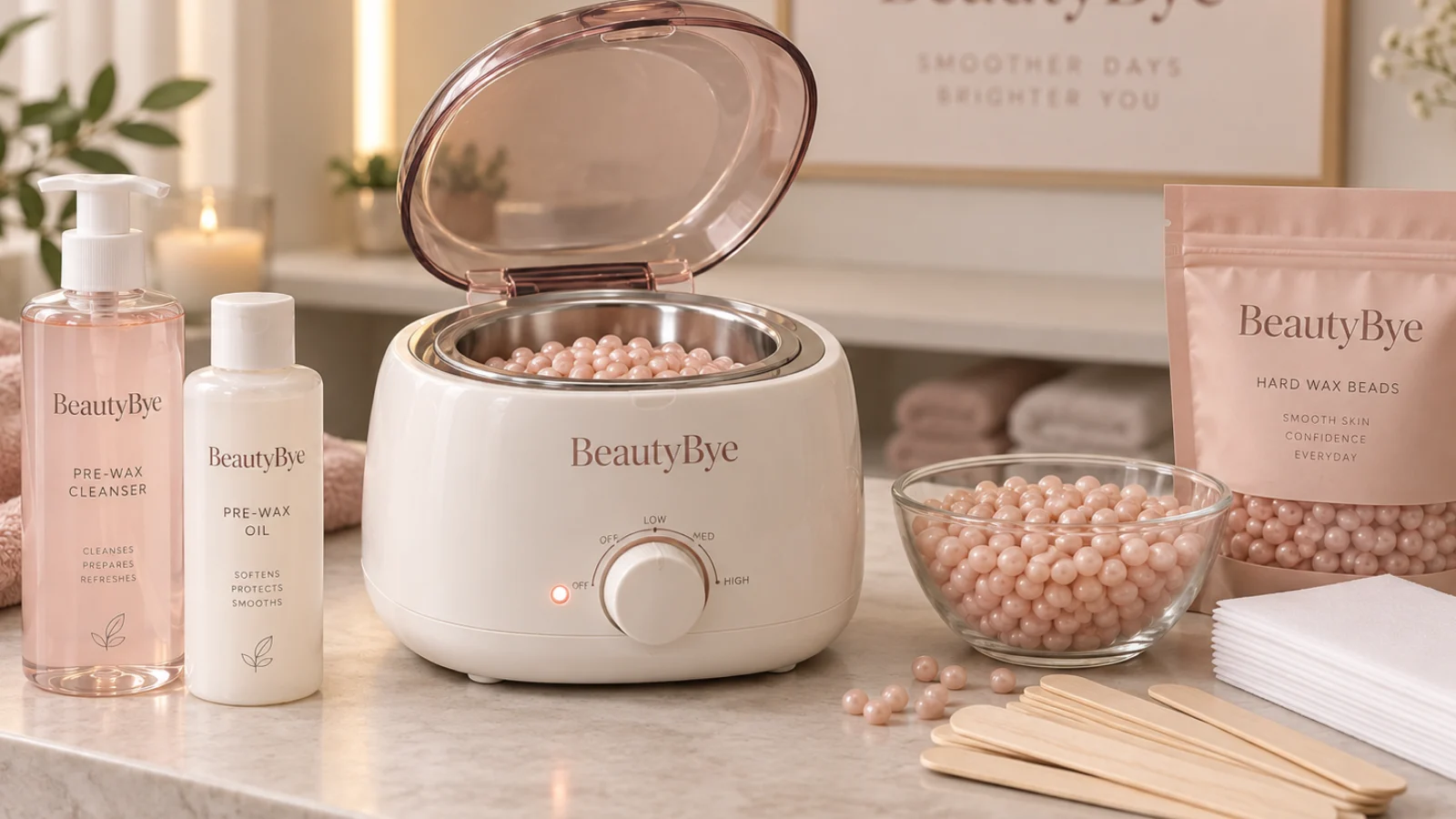
A second-hand wax heater is one of the most common pieces of used waxing equipment for sale, and it can be excellent value. Heaters are sold when salons refit, therapists change wax formats, or a waxing service is dropped. But a wax heater is electrical equipment that heats wax to working temperatures close to a client's skin. The thermostat, the cable and the housing matter far more than the price, and they're what the checks below are about.
Types of Wax Heater
Heater type | Used for | What matters most |
|---|---|---|
Tin heater | Strip or hot wax in tins | Tin size compatibility, thermostat accuracy |
Pot or bead heater | Hot wax beads or blocks | Removable pot or insert, even heating |
Roller cartridge heater | Roller wax cartridges | Cartridge size compatibility, slot condition |
Paraffin wax bath | Paraffin treatments (hands and feet) | Tank condition, thermostat, capacity |
Multi-pot stations | Several waxes at once | Each pot's thermostat working independently |
Before buying, make sure the heater suits the wax format you use. A cheap tin heater doesn't help if you work with beads.
What to Check Before Buying a Second-Hand Wax Heater
Thermostat and temperature control
This is the most important check. A heater that doesn't hold temperature can overheat wax, increasing the risk of burns, or underheat it, making wax hard to work with.
Does the dial or display control the temperature smoothly?
Does the heater cycle, switching on and off to hold temperature, rather than heating continuously?
Does the seller know how long it takes to reach working temperature?
If possible, see it working, or ask the seller to confirm it holds temperature. Check with a thermometer when it arrives.
Cable, plug and switch
No cuts, splits, kinks or taped repairs in the cable
Cable secure where it enters the heater
A UK plug, fitted properly, with the correct fuse rating
The switch and indicator light work
Avoid heaters fitted with adapters for non-UK plugs, or with visible repairs to the cable.
Housing and pot
No cracks, melting or scorching on the housing
The pot or insert sits properly and is removable where designed to be
The lid fits
No heavy build-up of old wax around the element or controls
Safety markings and documentation
Look for the manufacturer's name, model, rating plate and safety markings. A manual or the model name, so you can find the manual online, helps you follow the manufacturer's instructions for temperature and cleaning.
Age and use
Ask how old the heater is, how heavily it's been used, and whether it's been repaired. A lightly used heater from a salon that dropped waxing is a different proposition from one that ran all day for years.
Test records
Many salons maintain electrical equipment through regular checks, often using portable appliance testing (PAT). Ask whether the heater has a recent test record. It's not a guarantee, but it's useful information.
Capacity and Format: Matching the Heater to Your Workload
Heaters come in a range of capacities and formats, and the right one depends on how much waxing you do:
Low-volume or mobile therapists often suit a compact single-pot heater or a small roller heater.
Busy waxing rooms often use larger pots or multi-pot stations, so hot and strip wax are ready at once.
Specialist waxing salons may run several heaters with different waxes for different areas.
A heater that's too small means constant refilling. One that's too large means heating more wax than you use, which wastes wax and energy. When buying second-hand, check the capacity of the pot or tin size it takes, and whether it matches the wax quantities you buy.
Worked Example: Testing a Heater When It Arrives
A therapist buys a second-hand bead pot heater. When it arrives, she:
Inspects the cable, plug, housing and pot, and removes the pot to check the element area is clean.
Cleans out a thin layer of old wax using the method recommended by the heater manufacturer.
Fills it with fresh beads and sets the temperature to the wax manufacturer's recommended working temperature.
Checks with a thermometer once the wax has melted, then again after half an hour, to confirm the heater holds temperature rather than creeping upwards.
Feels the base and cable for unusual heat while it runs.
Checks the wax temperature on the inside of her own wrist, as she would before a client, following her training.
Only when all of that checks out does it go into her waxing room.
Maintaining Your Heater
clean it regularly following the manufacturer's instructions, and never use flammable solvents on a heater that isn't designed for them
don't let wax build up around the element or controls
keep the lid on when heating to keep wax clean and heat even
check the cable and plug regularly
include it in your electrical testing
Wax Heater Safety in the Treatment Room
Wherever it came from, treat the heater as a hot appliance close to clients. Keep it on a stable surface, away from the edge of the trolley. Route the cable so it can't be caught by feet or wheels. Never leave it running unattended at the end of the day, and switch it off and unplug it before cleaning. Test wax temperature before every application, following your training.
When a New Heater Makes More Sense
A second-hand heater isn't always the right choice. If you're opening a busy waxing room and need several heaters that behave identically, buying a matched set new, with a warranty, can be simpler. The same applies if you need a specific format the manufacturer has changed, or if you can't find the manual for a used model. For a single heater from a salon that's simply dropped waxing, though, a well-checked second-hand heater is usually a good buy.
Paraffin Baths
Paraffin wax baths for hand and foot treatments are also sold second-hand. The checks are similar: a thermostat that holds temperature, an intact tank with no leaks, a sound cable and plug, and a lid that fits. Clean the tank out and start with fresh paraffin wax.
Red Flags
Walk away if:
the heater has visible damage to the cable, plug or housing
the thermostat doesn't work or the heater only has "on"
it smells of burning or scorching when heated
it has been modified or repaired by someone unqualified
the seller can't identify the model or manufacturer
the price seems too low for a working professional heater, with no explanation
Second-Hand vs New Wax Heaters
Second-hand | New | |
|---|---|---|
Price | Lower | Higher |
Condition known | Depends on seller and your checks | Yes |
Warranty | Usually none | Manufacturer's warranty |
Best for | Therapists who can check and test equipment | Therapists who want certainty and a warranty |
For many therapists, a well-checked second-hand heater is a good buy, especially from a salon that's simply dropped waxing.
Wax Heaters in a Budget Waxing Room
A heater is usually one of the first purchases in a waxing room. If you're setting up from scratch, see setting up a waxing room on a budget, and for the wax itself, cheap waxing supplies vs professional wax for less.
The same checks apply to other electrical beauty equipment. See second-hand salon equipment: what to check before buying and second-hand UV/LED nail lamps.
Wax Heaters on BeautyBye
Wax heaters on BeautyBye mostly come from verified therapists who've changed wax format or dropped waxing. Electrical items with a damaged cable, plug, casing or safety feature, including a thermostat that doesn't control temperature, can't be listed under the Product Safety Policy. Listings are graded New, Like new, Good or Fair, with photos and seller notes. Ask about the thermostat, testing and history before buying, and test the heater yourself before client use.
Frequently asked questions
Is a used wax heater safe?
It can be, if the thermostat controls temperature properly, the cable, plug and housing are undamaged, it carries appropriate safety markings for UK use, and it has been maintained. Test it before client use.
How do I test a second-hand wax heater?
Heat wax to the manufacturer's working temperature, check the thermostat holds it steady rather than overheating, and use a thermometer to confirm. Check for heat around the base and cable, and any burning smell.
Can I use any wax in my heater?
Use the wax format the heater was designed for, whether tins, beads or roller cartridges, and heat to the wax manufacturer's recommended temperature.
Should I clean a used wax heater before using it?
Yes. Remove old wax and residue using a suitable wax cleaner or the method the heater manufacturer recommends, and start with fresh wax.