Waxing
Cheap Waxing Supplies vs Professional Wax for Less
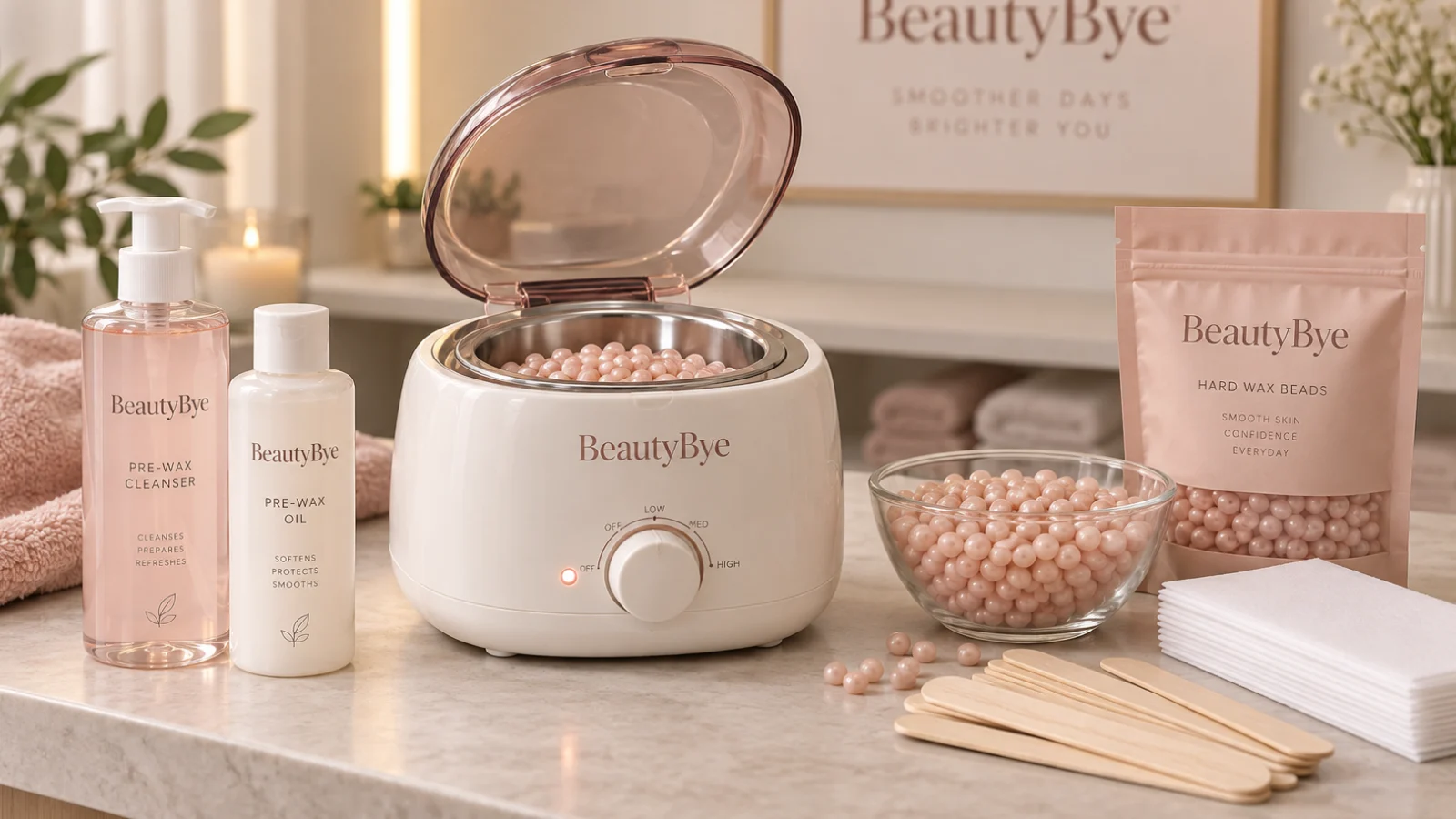
Good news if you're after cheap waxing supplies: wax is one of the most sensible professional products to buy as surplus. Sealed professional wax keeps well when it's stored properly, and therapists and salons regularly end up with more of it than they can use. The trick is to buy the professional wax you'd choose anyway for less, rather than a wax that's cheap because it grips poorly and runs hot.
Why Waxing Supplies Are Often Surplus
Waxing stock builds up in predictable ways:
Bulk buying. Wax is cheaper per kilo in larger quantities, so therapists buy more than they need.
Type changes. A therapist moves from strip wax to hot wax for certain areas, or switches bead brands.
Service changes. Salons drop waxing or reduce it after a refit or staff change.
Heater changes. Changing from tin heaters to bead pots or cartridge heaters leaves wax in the wrong format.
Courses and starter kits containing waxes a therapist doesn't use.
That creates a steady supply of sealed professional wax at lower prices.
Where Cheap Waxing Supplies Fall Short
Grip and hair removal
A wax that doesn't grip short or coarse hair well needs more passes. That means more skin trauma, more time and a less comfortable client.
Working temperature and consistency
Good professional waxes melt consistently and stay workable at their recommended temperature. Wax that's inconsistent or needs to be run hotter to work increases the risk of burns and makes timing difficult.
Skin comfort and reactions
Different waxes suit different skin types and body areas. Some clients are sensitive to certain ingredients, including rosin (colophony), which is common in many waxes. Clear ingredient information lets you choose and record what you use.
Breakage and residue
Hot waxes that snap instead of flexing, or strip waxes that leave heavy residue, slow down treatments and irritate skin.
In each case, the saving on a cheaper wax is often lost in time, product and client comfort.
Wax Types and What to Check
Wax type | Typical use | What to check when buying surplus |
|---|---|---|
Hot (hard or film) wax beads | Sensitive areas, face, intimate waxing | Brand and formulation, sealed bag, stored cool and dry |
Hot wax blocks or tins | Similar uses to beads | Sealed, correct format for your heater |
Strip (soft) wax in tins | Larger areas such as legs, arms and back | Sealed tin, type suits your skin and hair focus |
Roller wax cartridges | Larger areas, quick application | Cartridge format fits your heater; sealed |
Pre-wax cleansers and oils | Preparation | Sealed and in date |
Post-wax lotions and oils | Aftercare | Sealed and in date |
Sugaring paste | Alternative to wax | Sealed, in date, stored as directed |
What to Check Before Buying Discounted Wax
Product identity
Know exactly what you're buying: the brand, product name, wax type and intended use. Two waxes of the same colour can behave completely differently.
Sealed or opened
Sealed wax is the straightforward buy. Wax that has been heated and used on clients may contain hair, skin debris or residue from double-dipping, and it shouldn't be listed for sale at all, because its hygiene can't be established. Opened but unused wax, such as a bag of beads opened to check the colour and resealed, is a different matter, as long as the seller says so clearly.
Dates and batch
Many waxes have long shelf lives, but check the packaging for a batch number and any expiry or PAO marking, particularly for pre- and post-wax products.
Storage
Ask how it was stored (more on storage below). Beads left in heat soften and clump, and tins kept somewhere damp can develop condensation.
Format and heater compatibility
Beads, blocks, tins and roller cartridges need heaters designed for them. Buying cheap wax in a format your heater can't use isn't a saving. If you need a heater too, see second-hand wax heaters: what to check.
Spend Less on Waxing Without Buying Cheap
Match wax to the area
Using a premium hot wax for large leg areas can be wasteful, and using a strip wax for sensitive areas can be uncomfortable. Matching wax type to body area uses each product where it performs best and reduces waste.
Control how much you heat
Heating a full pot at the start of the day and letting it age or darken wastes wax. Heat what you need and keep lids on.
Avoid double-dipping
Never double-dip a spatula. Besides being a hygiene requirement, it contaminates the whole pot, which then has to be discarded.
Buy bulk only for what you use
Bulk wax is cheaper per kilo, but only if you use it before it degrades. Buy bulk only for your highest-volume wax.
Sell surplus wax
If you've switched wax types or reduced waxing, sealed surplus wax is easy to sell to another therapist.
Consumables: Spatulas, Strips and Paper Roll
Spatulas, strips, paper roll and gloves are single-use. Save by buying sealed surplus packs and buying in sensible quantities, never by reusing. Browse disposables for sealed surplus consumables.
Cheap Waxing Supplies vs Professional Wax for Less
Cheap waxing supplies | Professional wax for less | |
|---|---|---|
Why it's cheap | Formulation and manufacturing cost | Surplus, bulk overbuy, format change |
Performance | Can vary | As designed by the manufacturer |
Ingredient information | Often limited | On the packaging |
Working temperature guidance | Often vague | Specified |
Best use | Practice, at most | Client work, if sealed and well stored |
Storing Wax So It Stays Usable
Wax is more forgiving than many beauty products, but storage still matters, whether you're buying surplus or holding your own stock.
Keep wax away from heat and direct sunlight. Beads can soften and clump, and tins can partly melt and set again unevenly.
Keep lids closed. Open tins and bags pick up dust, hair and debris.
Rotate stock. Use older wax first and check any dates on the packaging.
Store pre- and post-wax products away from heat, with lids tightly closed, and within their PAO once opened.
When you buy surplus wax, ask the seller how it was stored. A sealed tin stored in a cool stock cupboard is a better buy than one that has been sitting in a hot car or a sunny window.
A Worked Example: Stocking Up for Less
A therapist offers face, underarm and leg waxing. She uses one film wax for face and underarms, and strip wax for legs. Her usual supplier's price has gone up, so she looks for surplus.
She finds sealed tins of the strip wax she already uses, from another therapist who has moved to roller wax. The listing shows the brand, the tin size, photos of the sealed lids and the storage conditions. She also finds a sealed bag of hard wax beads in a formula she's heard good things about, so she buys one bag to try rather than a bulk quantity. She buys her post-wax oil new, from her supplier, because she wants it in date for several months.
The result is lower cost on the products she uses most, a low-risk trial of a new wax, and no compromise on what goes onto freshly waxed skin.
Setting Up a Waxing Room?
If you're building a waxing room from scratch, see setting up a waxing room on a budget, which covers beds, trolleys, heaters and first stock.
Buying Waxing Supplies on BeautyBye
Therapists on BeautyBye sell wax in formats they've moved away from, bulk bags they over-ordered, and heaters from room refits, all to other verified professionals. Each listing shows its condition grade, photos and notes. Check the wax format matches your heater, and ask about storage if the photos don't show sealed packaging.
Frequently asked questions
Is surplus wax safe to buy?
Sealed wax from a recognised professional brand, stored away from heat, damp and contamination, is one of the lower-risk surplus buys. Check the product identity, seal, batch and any date on the packaging.
Why are some waxes cheaper than others?
Ingredients, resin quality, additives, and how consistently the wax melts and grips all affect cost. Cheaper waxes can be harder to work with, need more passes, or suit fewer skin and hair types.
Can I use any wax in any heater?
No. Tins, beads and roller cartridges need heaters designed for them, and each wax has a recommended working temperature. Follow the manufacturer's guidance.
Is it safe to buy opened wax?
Wax that has been heated and used for clients may contain debris or have been double-dipped. Opened but unused wax that was kept covered is a lower risk, but many therapists only buy sealed wax for client work.