Nails
Cheap Gel Polish: What Nail Techs Should Check Before Buying
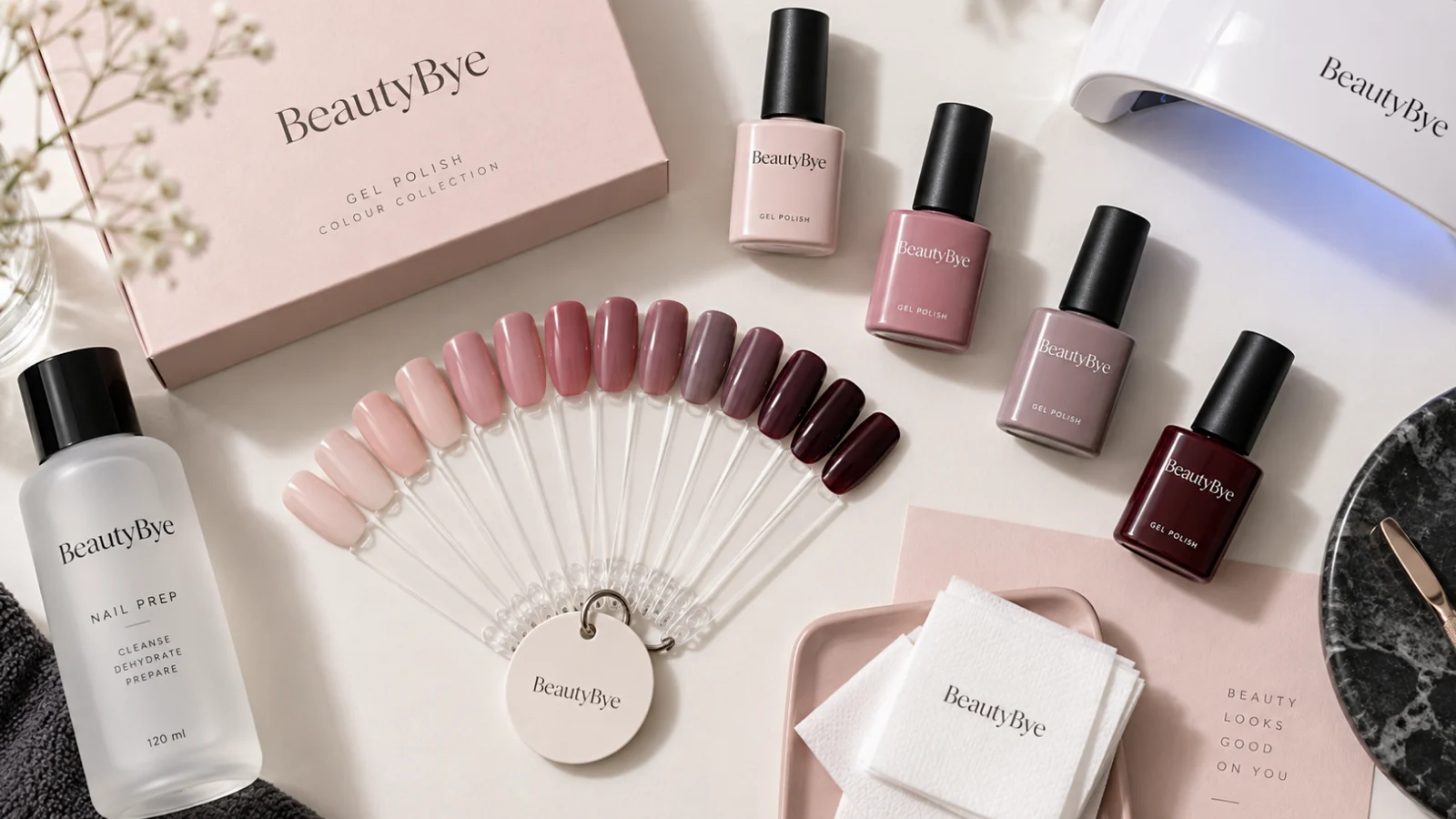
Cheap gel polish is tempting because it's the part of a nail kit where the numbers add up fastest. A tech who wants to offer a wide shade range can easily need dozens of bottles, and every new season brings another collection. But gel polish that is cheap because of how it's made is also where problems show up most visibly: patchy coverage, shrinkage, wrinkling, uneven curing and shades that don't match the swatch.
The better goal is professional gel polish for less. That means building your range from reliable professional products while paying less than full price for the shades you use less often.
Why Nail Techs Look for Cheap Gel Polish
A few pressures push techs towards the cheapest option:
Shade range expectations. Clients browse social media and expect specific colours.
Seasonal collections. New collections launch several times a year, and some shades only suit one season.
Low use per bottle. A trend shade might be used a handful of times before it's forgotten, even though it cost the same as a staple nude.
Starting out. Newly qualified techs are building a kit from scratch.
The problem isn't wanting to spend less. It's that the cheapest product per bottle often isn't the cheapest per service once redos, extra coats and wasted time are counted.
What Cheap Gel Polish Can Cost You
Extra coats and time
Lower pigment load can mean three coats instead of two. That's more product, more curing time and more time per client. Over a week, it adds up.
Wear problems
Peeling, chipping and lifting have many causes, and prep and application are usually the biggest. But inconsistent formulations make results less predictable, and unpredictability means more redos.
Curing issues
Gel polish must cure under a compatible lamp. Very pigmented or dark shades can need specific curing times. Products with poor or missing curing guidance make it harder to get this right, and under-cured product is associated with a higher risk of skin sensitisation.
Skin reactions and trust
Allergic reactions to gel products are a well-known issue in the nail industry. Using products with clear manufacturer and ingredient information, and applying them as the manufacturer directs, is part of managing that risk.
Building a Shade Range for Less: A Practical Approach
Core shades: buy reliably
Your staples, such as nudes, milky whites, classic reds and French-friendly pinks, get used constantly. Buy them from a professional range you trust, in a size you'll use before the PAO period runs out.
Occasional shades: buy smart
Trend colours, bold brights and seasonal shades are where you can save. Options include:
Surplus bottles from other techs. These are often shades that didn't suit their clients or that they over-bought from a collection.
Supplier sale lines and discontinued shades.
Smaller sizes, where available, for shades you rarely use.
Test before committing
Before you invest in a full collection, a single surplus bottle lets you test how a range behaves with your lamp and technique.
How Many Gel Polish Shades Does a Nail Tech Actually Need?
There's no single right number, but planning your range before you buy is one of the most effective ways to spend less. Many techs find a range built in tiers works well:
Everyday core: a small set of nudes, sheer pinks, milky whites, a classic red and a deep shade that clients book again and again.
Seasonal rotation: a handful of shades refreshed each season, such as warm tones for autumn, jewel tones for winter, pastels for spring and brights for summer.
Trend and occasion shades: the colours clients ask for from social media, which may only be booked a few times.
The core tier is where reliability matters most, because a shade that's booked every day needs to behave the same way every time. The seasonal and trend tiers are where surplus and discounted bottles make the most sense.
Working Out the Real Cost Per Service
Gel polish is cheap per service compared with builder gel, which is part of why it's easy to overspend on it: individually cheap bottles add up. To compare options fairly:
Estimate how many full sets you get from one bottle of a shade you use regularly.
Divide the bottle price by that figure to get product cost per set.
For a cheaper alternative, factor in any extra coat, longer curing time, and time spent fixing patchy application.
For trend shades, the calculation is different. If a shade will only be used a handful of times before it's forgotten or reaches its PAO, the realistic cost per use is high. A surplus bottle at a lower price reduces that cost directly, as long as it's in good condition.
Timing Your Buying Around Seasons and Collections
A few habits help techs spend less on colour:
Buy seasonal shades early or late. Collections often appear in sales once the season has turned. Other techs also list surplus shades at the end of a season.
Avoid buying whole collections unless you're confident you'll use most of the shades.
Watch for discontinued shades if a client has a favourite. Once a manufacturer stops producing a shade, surplus bottles from other techs may be the only way to find it.
Keep a simple shade log of what you own, what's booked most, and what you haven't used in a season. It stops duplicate purchases, which are a common source of surplus in the first place.
What to Check Before Buying Discounted Gel Polish
Brand, range and shade
Confirm the exact brand, collection and shade code. Shade names can be reused between ranges, and colour on screen can differ from reality. Ask for a photo of a swatch or a finished nail if possible.
Sealed, swatched or used
A gel polish opened once to swatch is a very different thing from one whose brush has been used on clients, and the second shouldn't be listed at all. On BeautyBye, sellers choose between New, New but opened and Sampled/swatched, and their notes should explain the detail. See condition grades explained.
Fill level
For opened bottles, ask how full the bottle is and judge the price against the remaining product.
Dates and storage
Check the batch number and expiry or PAO. Gel polish should be stored upright with the cap closed, away from UV light and heat. Thickened product, a crust around the neck or a cap that won't seal properly are warning signs.
Base and top coat compatibility
Many brands design colour, base and top as a system. If you're buying a different brand's colour to use with your existing base and top, check both manufacturers' guidance. Mixing systems can affect adhesion and wear.
Where Not to Cut Corners: Base and Top Coats
If you save anywhere on gel polish, save on colour, not on base and top coats. The base coat is what bonds the system to the natural nail, and the top coat seals and protects the finish. They affect every set, regardless of shade, so a problem with either shows up across your whole client list.
Practical guidance:
Keep base and top coats from the system you use consistently.
Buy them fresh or sealed, in sizes you'll finish within the PAO period.
Treat opened base and top coats from another tech with more caution than an opened colour, because they're used on every nail and a thickened or contaminated bottle affects everything.
Red Flags in a Gel Polish Listing
Be cautious if a listing:
uses stock photos only, with no photo of the actual bottle
doesn't state the brand or shade code
describes a large lot as "all barely used" with no individual detail
shows bottles with product dried around the neck or caps that don't sit properly
has no batch information and the seller can't provide it
is priced far below what similar sealed stock sells for, without explanation
None of these automatically means the product is bad, but each is a reason to ask more questions before buying.
Inspecting Gel Polish When It Arrives
Label: matches the listing, with batch and dates as described.
Neck and cap: clean enough to close properly, with no hardened product in the thread.
Consistency: shake or roll as the manufacturer directs, then check the product flows evenly with no clumps or separation that won't mix back in.
Test swatch: apply and cure a swatch on a tip before using it on a client, to check colour, coverage and curing.
If an item is materially different from its description, raise it through the order's issue control within the 48-hour review window after delivery, with photos.
Gel Polish vs Other Nail Products: Where Surplus Buying Works Best
Product | Surplus buying works well when… | Be cautious when… |
|---|---|---|
Gel polish colours | Occasional or seasonal shades, sealed or lightly swatched | Used on clients, no dates, stored in light |
Base and top coats | Sealed, and from the system you use | Opened for a long time, crust at the neck |
Builder gel | Sealed or clearly described opened stock | Contamination or storage unknown (see checklist) |
Nail art gels and glitters | Sealed or lightly used, for art work | Separation or clumping |
Acrylic powder | Sealed, stored dry | Opened jars exposed to dust or moisture |
Where Surplus Gel Polish Comes From
Nail techs sell gel polish because they:
switched to a different gel system (here's how they handle it)
bought a full collection and only use part of it
received duplicates in kits or bundles
ordered a shade that looked different in person
are reducing their shade range to simplify their service menu
That gives you a supply of professional shades at lower prices, usually in small numbers. What's available changes as techs list and sell.
Buying Gel Polish on BeautyBye
Gel polish is one of the most common listings on BeautyBye, because every nail tech ends up with shades they don't use. The sellers are verified nail professionals, and each listing shows its condition grade, photos and notes. Ask about batch, dates, storage and fill level in BeautyBye messages before you buy, especially for anything that isn't sealed.
Got shades you never reach for? Another tech's client probably wants exactly that colour. List them on BeautyBye.
Frequently asked questions
Why does cheap gel polish peel or chip?
Peeling is usually down to prep, application thickness or curing, but inconsistent pigment load and formulation make it harder to get reliable results. Using a base and top coat from the same system, as the manufacturer recommends, also affects wear.
Is buying single gel polish shades second-hand worthwhile?
It can be, especially for trend or seasonal shades you'll only use occasionally. Check whether the bottle is sealed, how full it is, the batch and dates, and that it was stored away from light.
Can I mix gel polish brands?
Many manufacturers design colour, base and top coats to work as a system and recommend using them together. Mixing brands can affect adhesion, curing and wear, so follow each manufacturer's guidance.
How should gel polish be stored?
Upright, with the cap tightly closed, away from UV lamps, daylight and heat. Clean the neck of the bottle so the cap seals properly.