Nails
Can You Buy Second-Hand Builder Gel? A Nail Tech's Checklist
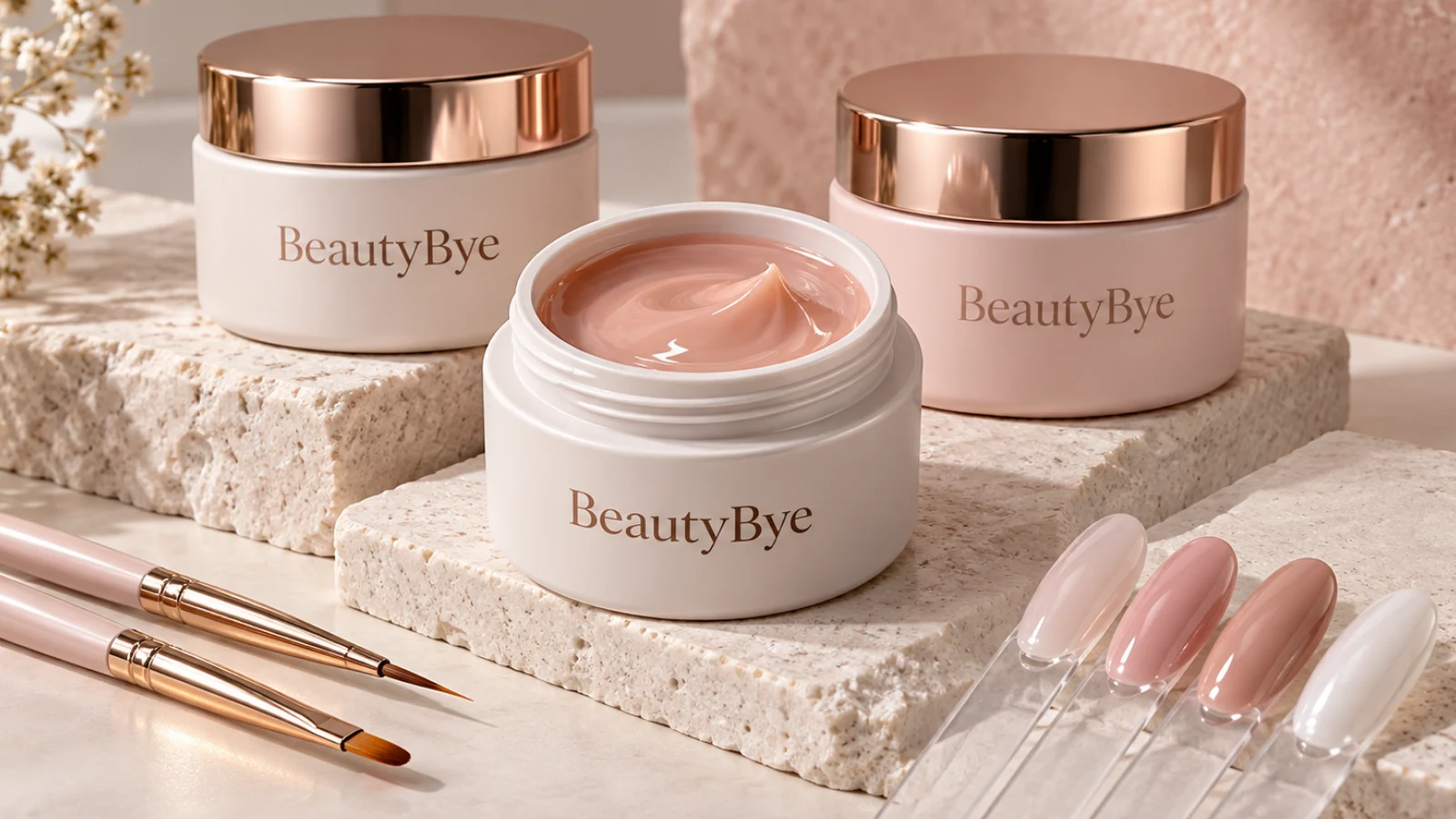
Yes, you can buy second-hand builder gel, and plenty of nail techs do, because surplus builder gel is one of the most common things professionals sell when they change systems. But "second-hand" covers everything from a sealed pot that was never opened to a bottle opened once to check a shade, and those need different levels of caution. Gel that has been used on clients is a different category again, and shouldn't be sold at all. The checklist below is about telling them apart. For the broader question of price and quality, see cheap builder gel vs professional builder gel for less.
What "Second-Hand Builder Gel" Can Mean
Resale listings for builder gel usually fall into one of these groups:
Type | What it usually means | Relative risk |
|---|---|---|
Sealed | Never opened, original seal or wrap intact | Lowest: check dates and storage |
Opened, unused | Lid opened, perhaps to check shade, not used on clients | Low to moderate |
Swatched or practice-used | Used for swatches or practice tips only | Moderate: needs careful checks |
Used on clients | Brush has gone from pot to client nails | Not listed on BeautyBye: hygiene can't be established |
Decanted or mixed | Moved into another container or combined | Not listed on BeautyBye |
On BeautyBye, sellers choose a condition for each listing. The options are New, New but opened, Sampled/swatched or a described Other, and sellers add photos and notes. Our condition grades guide explains what each grade should tell you and what it can't.
Why Opened Builder Gel Needs More Thought Than Sealed
Contamination
Every time a brush goes into a pot, there's a chance of bringing something back with it, such as nail dust, oils, cleanser residue or particles from the work area. In a well-run salon, clean brushes and closed lids keep this low. In a less careful one, it builds up. You can't see how carefully it was handled, so you rely on the seller's answers and your own inspection.
Light exposure
Builder gel is designed to cure under UV/LED light, and ambient UV can start that process slowly. Pots left open under a lamp, or stored in daylight, can thicken or develop a cured skin. This is why storage history matters as much as the date.
Age after opening
Many cosmetic products carry a PAO symbol, the open jar with a number such as 12M, showing how long the product is intended to be used after opening. If the product has been open for a large part of that period, it's worth less and may be past its useful life.
A Pre-Purchase Checklist for Second-Hand Builder Gel
Work through this before paying.
1. Identify the exact product
brand and range
shade name or number
consistency, for example self-levelling or thicker
size, bottle or pot
This affects compatibility with your lamp and technique. It's also how you'll check the current retail price for comparison.
2. Ask for clear photos
Useful photos include:
the full label, including brand and product name
the batch number and any expiry or PAO markings
the seal, if sealed
the product surface with the lid open, for opened product
the fill level
3. Ask when it was opened and how it was used
A good seller will tell you roughly when a product was opened and how it was used, such as client sets, practice or a single shade test. Vague answers are a reason to be cautious.
4. Ask how it was stored
Was it kept away from UV lamps and daylight?
Was the lid closed between uses?
Was it kept at normal room temperature, away from radiators and hot cars?
5. Check it against your system
Confirm the manufacturer's lamp and curing guidance works with your lamp. Mixing systems, such as a different brand's base, builder and top, can change how the overlay performs. If you're unsure, follow the manufacturer's recommendations for the whole system.
6. Compare the price with what's left
For part-used product, estimate how much remains and compare that proportion with retail. A half-full pot priced close to full retail isn't a bargain.
Inspecting Builder Gel When It Arrives
Once you have the product, check it before it goes near a client:
Seal and packaging: does it match the listing?
Label: do the batch number and dates match what you were told?
Surface: no cured skin, film or dried rim that has fallen into the product.
Texture: stir gently with a clean tool and look for an even consistency with no lumps, grit, stringiness or separation.
Colour: for tinted or cover builders, swatch and cure a small test on a tip to check colour and curing.
Smell: an unusual or sharply different odour compared with your experience of the product is a warning sign.
If something is materially different from the listing, raise it through the order's issue control promptly, with photos. Delivery opens a 48-hour review window for exactly this, and BeautyBye's buyer terms ask you to keep the item and packaging while an issue is reviewed.
Reading a Second-Hand Builder Gel Listing: Good and Weak Examples
Listings vary a lot. Here's what a clear listing looks like compared with a vague one.
A clear listing says something like: "Soft builder gel, clear, 15ml bottle. Opened in March to test the shade on two practice tips, never used on clients, roughly nine-tenths full. Stored in a closed drawer away from my lamp. Batch number and PAO on the label, photographed. Selling because I've moved to a pot system." It gives you the product identity, fill level, usage, storage, dates and a reason, and the photos back it up.
A weak listing says: "Builder gel, barely used, bargain." It has no brand or range, no photos of the label, no dates and no storage details. It might be fine, but you have no way to judge.
When a listing is weak, ask. A professional seller who knows the product can usually answer in a sentence or two. If they can't or won't, move on.
Opened Builder Gel and Your Professional Records
Many nail techs keep records of the products used on each client, including the product name and batch. That helps with traceability if a client reports a reaction, and some insurers expect you to be able to show what you used. When you buy second-hand builder gel:
photograph the label and batch number when it arrives
note where you bought it and when
keep your messages with the seller
Treat second-hand stock the same as stock from a supplier. If you wouldn't be comfortable recording where it came from and how it was stored, don't use it on clients.
Second-Hand vs Discontinued vs Clearance: Are They the Same?
These terms often get mixed up:
Second-hand describes who sold it: a previous owner, usually another professional. The product may be sealed or opened.
Discontinued describes the product: the manufacturer no longer makes it. Discontinued builder gels can be sealed and perfectly usable, but you won't be able to restock the same product, so think about whether you want to build a service around it.
Clearance describes why it's being sold: a salon, supplier or educator is clearing stock, often in bundles. Clearance stock can be any mix of sealed and opened.
A single listing can be all three, for example a salon clearing a discontinued builder gel it bought for its team. Judge each product on its own condition, dates and storage.
When to Walk Away
Don't buy, or don't use, second-hand builder gel when:
there is no way to identify the product or manufacturer
the batch number or dates are missing and the seller can't provide them
the product has been decanted into an unlabelled container
the product has been used on clients
you can see dust, filings or a cured layer in the product
the product is past its expiry date or has been open longer than its PAO
the seller can't tell you how it was stored
No discount is worth using product you're unsure of on a client.
Where Opened Builder Gel Makes Sense
Opened or swatched builder gel doesn't have to go on clients. It's often a good fit for:
Practice hands and training. Students and newly qualified techs can practise apex placement and filing without using client stock.
Testing a new range before committing to a full order.
Nail art and encapsulation practice, where you're learning technique rather than delivering a service.
Keep practice product clearly separated and labelled so it doesn't end up in client work by accident.
Storing Second-Hand Builder Gel After You Buy It
Once it's yours, treat it like your other stock:
Store it in a closed cupboard or drawer, away from lamps and daylight.
Keep lids closed except when working, and wipe the rim with a lint-free wipe to stop product building up in the thread.
Use a clean brush, and don't return used product to the pot.
Write the date you received it on the base, so you can track it against the PAO.
Follow the manufacturer's storage guidance where it's given.
Selling Your Own Builder Gel?
If you're on the other side of this, a good listing makes second-hand builder gel easier to buy. Include clear label photos, the batch number, dates, when it was opened, how it was stored and why you're selling. Our guide to what to do with unused nail products covers this in more detail, and you can list your stock on BeautyBye.
Buying Builder Gel on BeautyBye
On BeautyBye, builder gel is bought and sold between verified nail professionals, and listings are checked against a Product Safety Policy that rules out expired, decanted and client-used products. None of that replaces your own checks. Each listing shows its stated condition, photos and notes, and you can message the seller before buying.
Frequently asked questions
Is second-hand builder gel safe to use?
It depends on the individual product: whether it's sealed or opened, its dates, how it was stored and whether it could be contaminated. Sealed, in-date stock stored away from light and heat is the most straightforward. Opened product needs more checks and professional judgement, and must always be used in line with the manufacturer's instructions.
How long does builder gel last once opened?
It varies by manufacturer. Check the PAO symbol on the packaging, which shows a period such as 12M, and the manufacturer's guidance. Storage away from UV light and heat, with the lid closed, matters as much as the date.
What does contaminated builder gel look like?
Signs include dust or filings in the product, a skin or cured layer on the surface, lumps, stringiness, separation, or colour changes. If you see any of them, don't use the product on clients.
Can I buy builder gel that's been used on clients?
No. Builder gel that has been used on clients can't be listed on BeautyBye, because its hygiene can't be established. Opened or swatched gel that was never used on clients can be listed if it's described accurately, and many techs use it for practice or training and keep sealed stock for clients.