Nails
Cheap Builder Gel vs Professional Builder Gel for Less
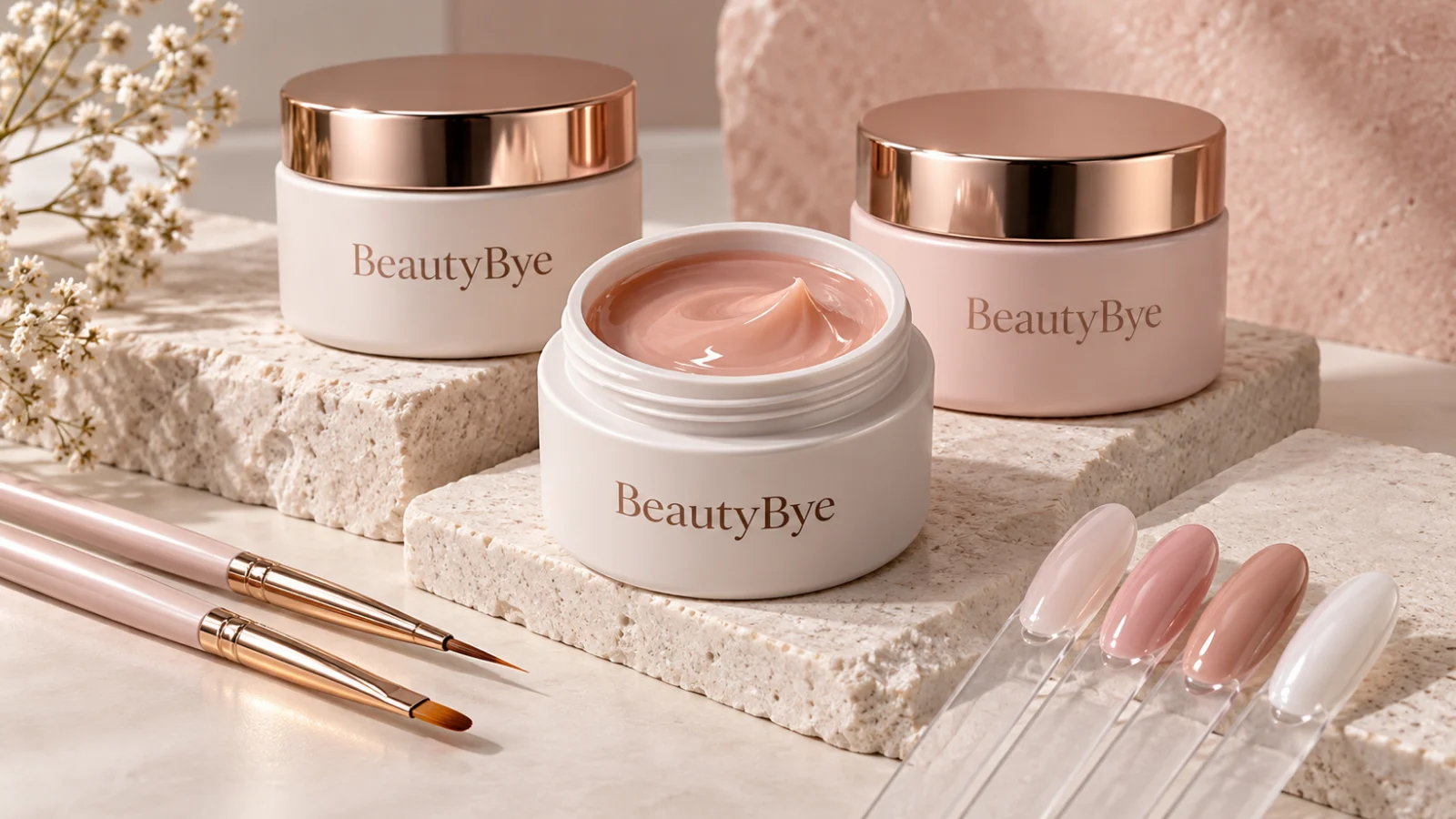
Most nail techs typing cheap builder gel into a search bar don't want a builder that's cheap because of how it was made. They want the builder they trust, or one just as good, without paying full price for it. The difference matters. A good builder bought for less saves money on every set, while a cheaply made one tends to get paid for later in lifting, rebalancing time and clients who don't come back.
The Short Answer
Builder gel is structural. It is the base of the overlay, it has to self-level predictably, and it has to cure fully under your lamp. Consistency matters more for builder gel than for almost anything else in a nail kit.
So the cheapest route to good builder gel is usually:
Stick to recognised professional ranges, ideally the one you already use or one compatible with your lamp.
Buy that product for less, through supplier sales, bundles or surplus stock from other nail professionals.
Check condition, dates and storage before you buy, and follow the manufacturer's instructions every time.
What Makes Builder Gel Cheap?
There are two very different reasons builder gel might be priced low.
Cheap by formulation
Some builder gels are made to hit a low price. Lower-cost raw materials, looser quality control and minimal documentation all cut costs. Common signs include:
no clear manufacturer or responsible-person information
no batch number, or batch numbers that don't match across bottles
vague or missing curing instructions
inconsistent thickness from bottle to bottle
heavy heat spikes when curing
shades that don't match their swatches
Cheap by circumstance
A professional builder gel can also be cheap because of who is selling it and why. A nail tech who has switched systems, over-ordered, or bought a shade that doesn't suit their clientele has a bottle of good product they'd rather sell than bin. The formulation is the same as when it left the manufacturer. What matters is condition, age and storage.
That second kind of cheap is what most nail techs are actually looking for.
Why Builder Gel Is Worth Buying Well
Self-levelling and control
Good builder gel levels enough to smooth out without running into the sidewalls or cuticle. Inconsistent viscosity makes apex placement harder and increases filing time, which quietly eats any saving.
Curing
Builder gel has to cure fully under the lamp you use. Under-cured product is associated with weaker overlays and a higher risk of skin sensitisation, because uncured material can come into contact with skin during filing and removal. Follow the manufacturer's curing time and lamp guidance. If you change brands, check compatibility with your lamp rather than assuming.
Retention
Most lifting comes down to prep, application and curing, but a product that behaves differently from bottle to bottle makes consistent results harder.
Ingredients and sensitivity
Many professionals now pay close attention to ingredients, including whether a product is HEMA-free. Whatever system you choose, a clear ingredient list and manufacturer information are part of what you're paying for. A product without them is a false economy. If you work with ingredient-aware systems, you can also browse HEMA-free listings.
Builder Gel Types: Know What You're Comparing
Price comparisons only work between like-for-like products. "Builder gel" covers several product types that behave differently.
Bottle builder gels
Often called "builder in a bottle", these gels come in a polish-style bottle with a brush. They're usually self-levelling and suited to natural nail overlays and short extensions. They're quick to apply, but the brush-in-bottle format means contamination control matters, which is relevant when buying opened stock.
Pot builder gels
Pot gels are applied with a separate gel brush. They range from soft, self-levelling consistencies to thick, sculptable gels for extensions and structure. A thicker pot gel isn't a like-for-like substitute for a runny bottle gel, even if the price per gram looks better.
Hard gel vs soft builder
Hard gels are designed to be filed off rather than soaked off, and are often used for extensions and longer wear. Soft or soak-off builders are designed for removal by soaking. Buying the "wrong" type because it was cheaper changes your whole removal process.
Cover, tinted and clear
Clear, milky, nude and cover shades all serve different looks. Cover shades in particular vary with skin tone, which is why they're a common surplus item: a tech buys a cover shade that doesn't suit their clientele and sells it on.
Work Out the Cost Per Set, Not Per Bottle
The true cost of builder gel is what each set costs you, not the headline price per bottle. A rough way to compare:
Estimate how many overlays or infills you get from one bottle or pot of your usual product.
Divide the price by that number to get a product cost per service.
Do the same for the cheaper option, but include any extra product per set (for example if it needs thicker application), extra filing time, and a realistic redo rate.
A gel that's noticeably cheaper per bottle but needs more product per nail, takes longer to shape and brings more clients back for repairs can end up costing more per service. A professional builder bought as surplus lowers the product cost per set while it performs exactly as you expect.
Common Mistakes When Switching to a Cheaper Builder Gel
Changing gel without checking your lamp. Curing guidance differs between manufacturers.
Mixing base, builder and top from different systems without checking compatibility.
Assuming "same shade name" means the same colour across different brands.
Buying a large quantity of an untested product because the unit price was attractive, then being unable to use it.
Ignoring storage history on discounted stock. Heat and light change builder gel.
Moving practice-grade product into client work to save money.
Where Professional Builder Gel for Less Comes From
Nail techs end up with surplus builder gel all the time. The usual reasons are:
Switching systems. Moving to a new builder gel range leaves unopened or part-used bottles of the old one. Our guide for techs changing nail brands covers the seller side of this.
Shade experiments. Cover shades and tinted builders that didn't suit their clients' skin tones.
Bundles and course kits. Training kits often include builder gels in sizes or shades the tech never uses.
Over-ordering to reach a free-delivery threshold or trade discount.
Leaving the industry or changing services, which frees up a whole kit.
This is why surplus stock from other professionals is a sensible place to look. The product is usually a recognised range, and the reasons for selling are ordinary.
What Should You Check Before Buying Discounted Builder Gel?
Before buying discounted builder gel, check five things: that it's the exact product you want (brand, range, shade, viscosity and size), whether it's sealed or opened, its batch number and expiry or PAO, how it's been stored, and whether it's compatible with your lamp and the rest of your system. If a listing doesn't show these, ask the seller before you buy.
Product identity
Confirm the brand, range, shade name and bottle or pot size. Builder gels in the same range often come in several viscosities, such as self-levelling, thicker sculpting consistencies and bottle versus pot, so check it's the one you want.
Sealed or opened
Unopened stock is the most straightforward buy. Opened builder gel can still be fine, but ask:
when it was opened
roughly how much is left
whether it's been used directly from the bottle with a brush, or decanted
whether the lid was always closed properly
For more on buying opened product, read can you buy second-hand builder gel?
Dates and batch
Ask for the batch number and the expiry date or PAO (period-after-opening) symbol where the product has one. Photos of the label and base of the bottle are more useful than a description.
Storage
Builder gel is light-sensitive and should be kept away from UV light and heat. Gel that has been left on a sunny windowsill or near a lamp can start to thicken or partially cure. Ask how it was stored.
Texture
If you can see photos of the product itself, look for an even texture. Separation, lumps, stringiness or unusual thickening are reasons to pass.
Lamp compatibility
If you're switching to a different brand's builder gel, check the manufacturer's lamp guidance against your lamp. If your lamp is the weak link, see our guide to second-hand UV/LED nail lamps.
Cheap Builder Gel vs Pro Builder Gel for Less at a Glance
Low-cost builder gel | Professional builder gel for less | |
|---|---|---|
Why it's cheap | Formulation and manufacturing costs | Surplus, over-ordered or switched stock |
Information | Often limited | Original packaging and labelling |
Consistency | Can vary | As designed by the manufacturer |
Curing guidance | Often vague | Manufacturer instructions available |
What to check | Almost everything | Condition, dates, storage and compatibility |
Best for | Practice and training, at most | Client work, if condition checks out |
Using Low-Cost Gel for Training and Practice
There is one place where low-cost builder gel can make sense: practice. If you're a student or newly qualified tech working on practice hands, an inexpensive gel lets you work on apex placement and filing without using up your client stock. Keep practice product separate from client product, and don't move it into client work because it happens to be in your kit.
Surplus professional product is also useful for training. Educators and academies often have part-used bottles from courses that are fine for practice.
How Much Can You Save?
Savings on surplus stock vary by listing, condition and how much product is left, so there's no fixed discount. Sellers set their own prices. As a guide:
Sealed, in-date stock is usually priced a little under retail, reflecting that it's the same product.
Opened stock with some product used is usually priced lower, reflecting the remaining quantity and the extra checks you'll do.
Bundles from a tech changing systems can give the best value per bottle, if the whole bundle suits your work.
Compare against the current retail price for the same range and size. That's the baseline for judging value.
What a Good Builder Gel Listing Tells You
The best surplus listings answer most of your questions before you ask them. When you're comparing listings, look for:
The full product name: brand, range, shade name or number, and whether it's the bottle or pot version
Size: in ml or g, so you can compare it with the retail price
A condition grade that matches the photos: sealed, opened, or swatched
Photos of the real item, including the label, the seal or lid, and the base where the batch number usually sits
Dates: the expiry date or the PAO symbol, and when it was opened if it's been used
Storage: whether it was kept in a drawer or cupboard, away from lamps and windows
Why it's being sold: a system change, a shade that didn't suit, or an over-order
A listing that covers all of this doesn't guarantee the product. It does show a seller who knows what a nail tech needs, which is a good start.
Questions to Send the Seller
If a listing leaves gaps, a short message saves a wasted purchase. For example:
"Could you send a photo of the batch number and the expiry or PAO symbol?"
"Is it sealed? If it's been opened, roughly when, and how much is left?"
"Where has it been stored? Has it been near a lamp or a window?"
"Is this the self-levelling version or the thicker sculpting one?"
"Why are you selling it?"
Keep questions and answers in BeautyBye messages, so there's a record if the product that arrives doesn't match what you were told.
Signs a Bargain Isn't What It Seems
Most surplus builder gel is exactly what the seller says it is. A few warning signs are still worth knowing:
The price is far below every comparable listing, with no explanation such as a short date or a part-used pot.
Packaging doesn't match the brand's current packaging: fonts, label layout, bottle shape or colour look slightly off.
No batch number, or several "sealed" bottles with identical wear and no batch information.
Stock photos only, with no photos of the actual item.
The seller won't answer questions about dates or storage.
Counterfeit, expired and recalled products are prohibited under BeautyBye's Product Safety Policy, and listings are checked against it, with some held for review before they go live. No check can inspect every bottle, though. If something doesn't feel right, don't buy it, and tell BeautyBye support.
When Buying Discounted Builder Gel Doesn't Make Sense
Surplus builder gel is good value in the right situations, but not always:
It's opened and close to its PAO. You may not get through it in time.
You'd have to change your whole system to use it. If it's a different brand from your base and top, factor in the cost and risk of changing everything else too.
It's a shade or viscosity you don't normally use. A bargain that sits in a drawer isn't a saving.
The storage history is unknown for an opened pot.
You need a large, consistent supply for a busy salon. One-off surplus is best for top-ups and trying a range, not for your entire supply chain.
Trying a New-to-You Builder Gel
If you buy a builder you haven't used before, even one from a respected range, try it before you use it on a client:
Read the manufacturer's instructions, including cure times and lamp guidance.
Try it on a practice tip or your own nail, checking how it levels and how it feels to file.
Check it cures fully with your lamp: no soft or wrinkled product under the inhibition layer, and nothing unusual about heat during curing.
Only then move it into client work.
Builder Gel on BeautyBye
Nail techs on BeautyBye regularly list builder gels from systems they've moved away from, cover shades that didn't suit their clients, and extra pots from bundles. Every buyer and seller is verified as a beauty professional before they trade, and each listing carries its own condition grade, with photos and the seller's notes. Some listings are sealed and some are opened, so read the grade, check the photos, and ask about batch, dates and storage before buying.
Have builder gel you no longer use? Another tech is probably looking for it. See what to do with unused nail products, or list it on BeautyBye.
Frequently asked questions
Is cheap builder gel bad?
Not always, but builder gel that is cheap because of how it is made often has less consistent viscosity, self-levelling and curing behaviour. A recognised professional builder gel bought for less as surplus stock keeps its original formulation.
Why does builder gel lift?
Common causes are prep problems, product applied too thickly or too close to the skin, under-curing with an incompatible lamp, and product that has been stored badly. Price alone doesn't cause lifting, but inconsistent formulations and mismatched lamps make it more likely.
Can I use any lamp with any builder gel?
No. Builder gels are formulated to cure under particular lamp types and settings. Follow the manufacturer's curing guidance and check compatibility before switching brands.
How can I tell if surplus builder gel is still good?
Check the batch number and expiry or PAO, whether it has been opened, how it was stored away from light and heat, and whether the texture looks consistent with no separation or thickening.