Guides
Cheap Beauty Supplies vs Professional Beauty Products for Less
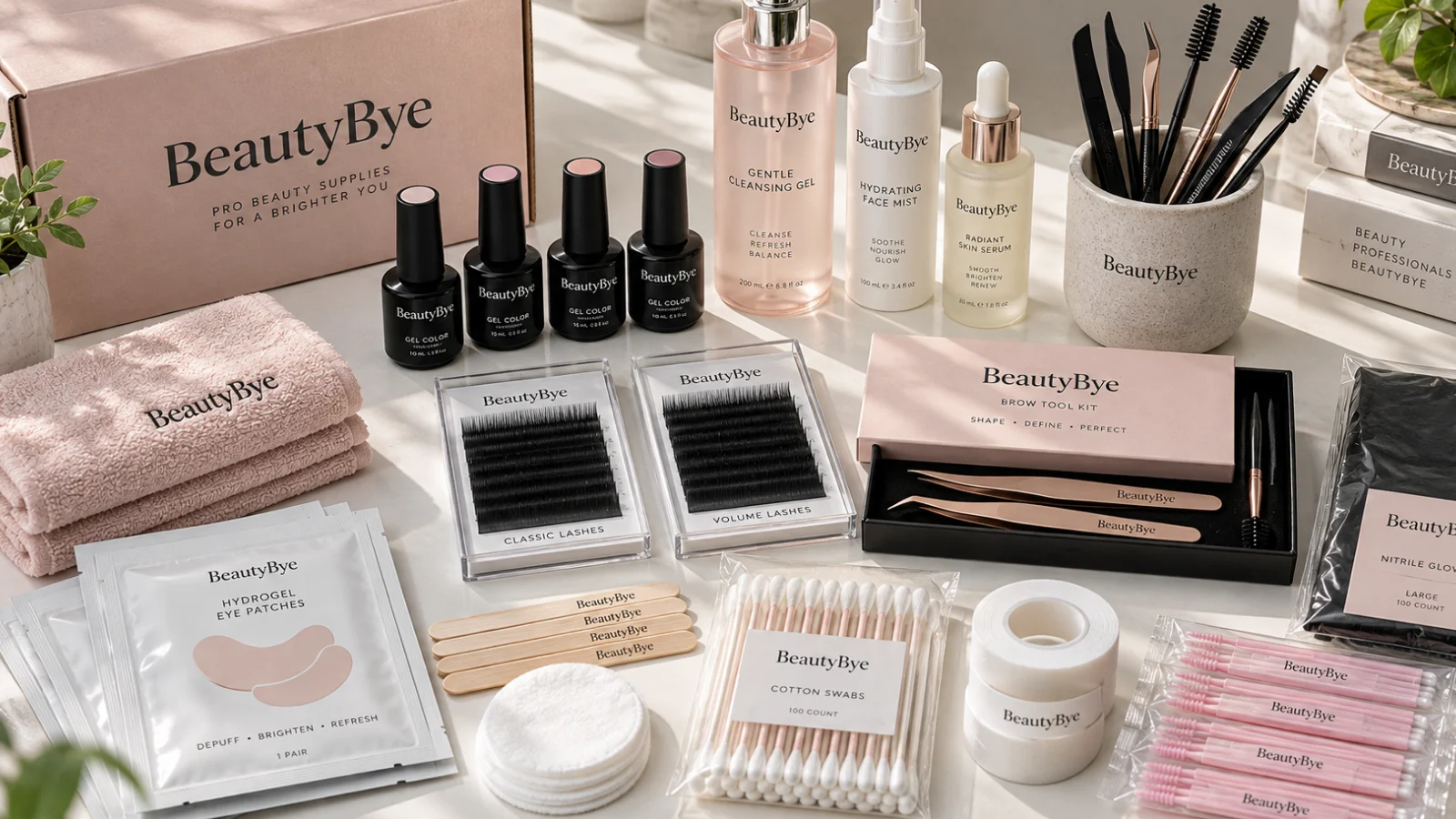
Most professionals who search for cheap beauty supplies aren't looking for poor products. They want the gels, adhesives, waxes and equipment they already trust, at a price that leaves some margin. That's a different thing from a product that's cheap because of how it was made, even though the two can look identical in a basket. On a client, they behave very differently. The rest of this article is about telling them apart, and about where good professional stock for less actually comes from.
Cheap Product vs Quality Product for Less: The Core Difference
A cheap product is cheap because of how it was made. It may use lower-grade ingredients, less consistent pigments, weaker packaging, thin documentation or no clear manufacturer at all. The low price is built in.
A quality product for less is a professional product that is cheaper because of who is selling it and why. The formulation hasn't changed. What changed is that another professional no longer needs it, and would rather sell it than let it sit in a drawer.
Price alone won't tell you which one you're looking at. The questions below will:
Who made it, and can you identify the product, shade and size exactly?
Is there batch information and an expiry or period-after-opening (PAO) marking where the product needs one?
What condition is it in, and has it been opened?
Why is it being sold?
Is it compatible with the system, lamp or equipment you already use?
If you can't answer those, a low price is a risk, not a saving.
Why Beauty Professionals Have Good Stock They Don't Need
Professional beauty is a trade where surplus stock builds up quickly. It's rarely because the product was bad. Common reasons include:
Changing systems or brands. A nail technician moves to a different builder gel range, or a lash artist settles on a different adhesive. The old stock is still good, just no longer part of their kit.
Over-ordering. Minimum order quantities, trade-show offers and bundle pricing leave people with more than they can use before expiry.
The wrong shade or product. A gel polish colour that looked different on screen, or a brow tint in a shade their clients don't suit.
Dropping a treatment. A salon stops offering lash lifts or waxing, and that stock is suddenly surplus.
Upgrading equipment. A new lamp, drill, wax heater or treatment bed replaces one that still works.
Duplicates. Kits from courses, gifted samples and training packs often duplicate what a professional already owns.
Clearing storage or closing. Salons that downsize, move or close have shelves of stock and furniture to move on.
That surplus is a real supply of professional products at reduced prices. It isn't an endless supply of any single item, so availability changes as professionals list and sell.
Where Cheap Beauty Supplies Can Cost You More
Some costs don't show up at checkout.
Products that touch skin, eyes or nails
Gels, adhesives, lift and lamination solutions, tints and waxes all depend on consistent chemistry. A poorly formulated or poorly documented product can lead to lifting, patchy colour, overheating, irritation or an allergic reaction. The cost of a redo, a refund or a lost client is higher than the saving on one bottle.
Products that need to cure or bond
Builder gels and gel polishes are made to cure with particular lamps. Lash adhesives are made to bond within particular humidity and temperature ranges. An unknown product may not tell you any of this. If it under-cures or bonds poorly, you often won't know until the client comes back.
Products without clear information
A product with no batch number, no expiry or PAO marking, and no identifiable manufacturer is hard to trust and hard to trace if something goes wrong. That matters for your insurance and your records as well as for the client.
Equipment without history
A very low-priced lamp, drill, heater or treatment bed with no model details, no safety markings and no history is a gamble. Cheap electrical equipment deserves particular caution.
Where Low Cost Genuinely Makes Sense
Not every purchase needs to be premium. Low cost is often sensible for:
Basic disposables from a known supplier, such as gloves, wipes, cotton pads and foils, as long as they're sealed and suitable for the job.
Practice and training stock, such as practice hands, tips and product for training rather than clients.
Storage and furniture that doesn't touch clients, where condition and stability are what matter.
Surplus professional products in good condition, which is where buying for less delivers the most value.
How to Buy Professional Beauty Products for Less Without Taking Shortcuts
Start with the product, not the price
Decide exactly what you need, including brand, range, shade, size and compatibility, before comparing prices. It's easy to buy something cheaper that doesn't fit your system and end up buying twice.
Read the condition carefully
On BeautyBye, sellers state the condition of each listing. Beauty products use grades such as New, New but opened, Sampled/swatched or a described Other. Equipment uses New, Like new, Good or Fair. Sealed status and batch details are shown where the seller provides them. Read the grade, the photos and the notes together. For a full explanation, see our guide to condition grades for second-hand beauty stock.
Check dates and storage for anything chemical
For adhesives, lift and lamination products, tints, developers and similar products, ask for the expiry date, the batch number, whether the product has been opened and how it has been stored. If the seller can't tell you, don't assume. Our guide to lash glue shelf life and storage shows what this looks like for one of the most sensitive categories.
Ask why it's being sold
It's a fair question, and professionals usually have a clear answer: they changed brands, over-ordered, or stopped offering the service. A clear, specific answer is a good sign.
Follow the manufacturer's instructions
A lower price never changes how a product should be used, stored, patch tested or cured. If the manufacturer's instructions and your insurance requirements don't allow something, a resale purchase doesn't either.
Comparing Your Options
Option | Typical price | What you know about the product | Main risk |
|---|---|---|---|
Unbranded or unknown "cheap" supplies | Lowest | Often little: unclear maker, batch or dates | Inconsistent results, irritation, no traceability |
Full-price professional supplier | Highest | Full information, fresh stock | Cost, minimum order quantities |
Supplier sale or clearance lines | Reduced | Usually good information | Limited shades or discontinued lines |
Surplus stock from other professionals | Often reduced | As good as the listing and seller's answers | Varies by listing, so read condition, dates and storage |
No option is right for everything. Most technicians mix full-price core products with surplus stock where it makes sense.
Category by Category: Where to Save and Where to Be Careful
Each part of the trade has its own risks, so the same discount doesn't carry the same risk everywhere.
Nails
Builder gels, hard gels and gel polishes are among the most commonly resold professional products, because technicians change systems and shades often. Sealed or lightly used bottles from a recognised range can be good value. Check lamp compatibility, the batch number and how the product was stored, and be wary of gels with separation or thickening. Sealed acrylic powders are a frequent surplus buy. Acrylic liquid is flammable and usually best bought new from a supplier. Start with cheap builder gel or second-hand nail supplies.
Lashes
Sealed trays of extensions and unused tools are usually straightforward buys. Adhesive is the most sensitive lash product you can buy as surplus: it changes quickly once opened and depends on how it was stored. Treat adhesive listings conservatively, buy only sealed, in-date bottles, and read how long lash glue lasts before buying.
Brows
Tints and lamination solutions are chemical products with expiry dates, and lamination kits often contain several components with different dates. Mapping tools, brushes and pencils are lower risk. Check every sachet or bottle in a kit, not just the box.
Waxing
Sealed hard and soft wax is one of the lower-risk surplus purchases, because it's stable when stored properly. Wax heaters are electrical equipment and need the same checks as any appliance: plug, cable, thermostat and safety markings.
Skincare
Professional skincare often has short open-use periods, and backbar sizes are designed for salon use rather than long storage. Sealed products with clear dates can be good value. Decanted products can't be listed on BeautyBye, and opened products are rarely worth the risk for client treatments.
Equipment and furniture
Lamps, drills, heaters, beds, chairs and desks are where the biggest savings usually are, and where condition varies most. A good second-hand treatment bed or nail desk can last years. A faulty electrical item can be a hazard. See what to check before buying second-hand salon equipment.
Questions Worth Asking Any Seller
Whatever the category, these questions separate a good buy from a false economy:
What is the exact product name, range, shade and size?
Is it sealed? If it's been opened, when, and how much is left?
What is the batch number and the expiry date or PAO?
How has it been stored, including temperature, light and whether the lid was kept closed?
Why are you selling it?
For equipment: how old is it, how has it been used, has it been repaired, and are all parts, cables and instructions included?
A seller who knows their stock will usually answer quickly and specifically. Keep those questions and answers in BeautyBye messages, so there's a record if you need order support later.
What Is Second-Hand Professional Beauty Stock?
Second-hand professional beauty stock is professional-grade product or equipment that a beauty professional or salon bought for their own business and later resells to another professional. It includes sealed items that were never used, opened items with remaining product, and used equipment.
It is different from consumer cosmetics resale. It covers trade products such as builder gels, lash adhesives, lamination kits and waxes, and trade equipment such as lamps, drills, heaters, beds and nail desks. For a step-by-step buying guide, read the complete guide to buying second-hand professional beauty supplies.
Where BeautyBye Fits
BeautyBye exists because that surplus is valuable, and general marketplaces aren't built for trade stock. It's a marketplace where only verified beauty professionals buy and sell.
Verified professionals only. Buyers and sellers complete professional verification before they can trade.
Policy checks. Listings are checked against BeautyBye's Product Safety Policy, which prohibits counterfeit, expired, recalled, decanted and unsafe products, and some listings are held for review before they go live.
Condition stated per listing. Each listing sets out its own condition, photos and notes. Some listings are sealed and new, and others are opened, swatched or used equipment, so read each one.
Checkout for parcel orders. Posted items are paid for through BeautyBye's checkout, with a 48-hour review window after delivery. Collection-only large equipment and furniture is paid for directly between buyer and seller.
Browse by Category
Each category hub explains what's typically listed and what to check:
Professional nail supplies: builder gel, gel polish, acrylic and nail art
Professional lash supplies: trays, adhesives, tweezers and lift kits
Professional brow supplies: tint, lamination and mapping kit
Professional waxing supplies: hot wax, strip wax and heaters
Professional skincare supplies: treatment products and facial equipment
Professional hair supplies: colour, backbar and styling stock
Used salon equipment: lamps, drills, heaters and machines
Second-hand salon furniture: beds, chairs, desks and storage
For specific searches, start with cheap builder gel, cheap lash glue or cheap waxing supplies.
Spending Less Is Also About Buying Less Waste
Buying for less works best alongside buying well. Ordering closer to what you actually use, tracking expiry dates and moving surplus on before it expires all reduce cost as much as any discount. Our guide on how salons can spend less on stock covers ordering, storage and resale in more detail.
If You're the One With Surplus Stock
The same logic works in reverse. If you have good professional products you no longer need, other professionals are looking for exactly that. See where to sell unwanted professional beauty products, or list your stock on BeautyBye.
Frequently asked questions
Are cheap beauty supplies ever worth buying?
Some low-cost items are fine, such as basic disposables from a reputable supplier. The risk sits with products that touch skin, nails or eyes, or that need to cure, bond or process correctly. For those, a quality professional product bought for less is usually the better choice.
Where does professional beauty stock for less come from?
Mostly from other professionals: technicians who changed systems or brands, over-ordered, bought the wrong shade, stopped offering a treatment, upgraded equipment or are closing a salon.
Is everything on BeautyBye new and unopened?
No. Each listing states its own condition, and sealed status, batch details and seller notes appear where the seller provides them. Buyers should read each listing and ask questions before buying.
Who can buy on BeautyBye?
BeautyBye is for verified beauty professionals. Buyers and sellers complete professional verification before they can trade.