Lashes
How Long Does Lash Glue Last? Shelf Life, Storage and Buying Surplus Adhesive
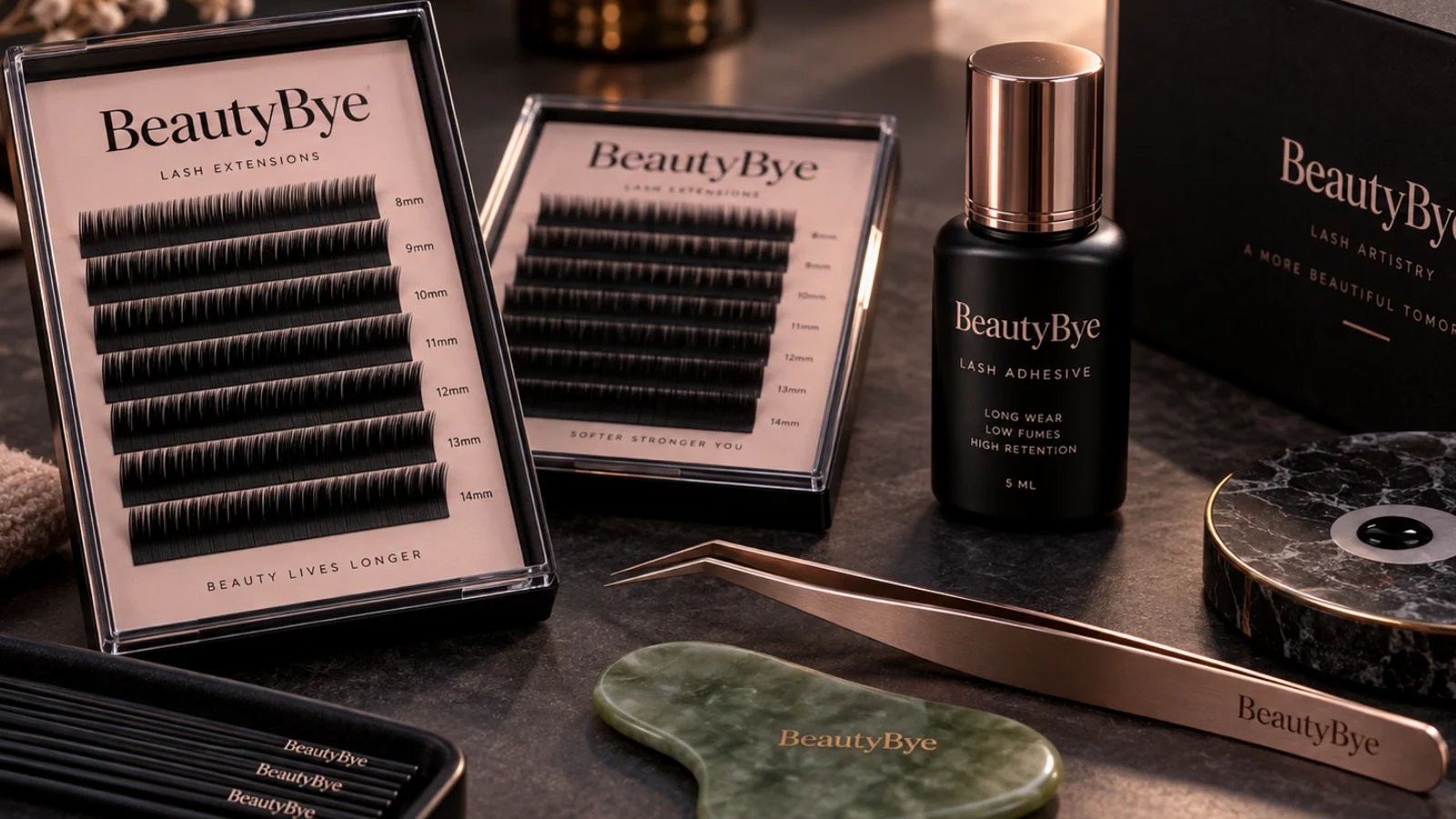
Lash glue shelf life is shorter and more sensitive than most lash techs would like. Unopened adhesive has an expiry date, but how it's stored can shorten its useful life. Once opened, most professional adhesives are designed to be used within a relatively short period, often a matter of weeks. Check the manufacturer's guidance for your specific product.
Knowing how those clocks work helps you waste less adhesive, get more consistent retention and make sensible decisions about surplus glue.
Unopened, Opened and In Use: Three Different Clocks
Lash adhesive ages on three overlapping timelines.
1. Unopened shelf life
From the date of manufacture, a sealed bottle has a shelf life set by the manufacturer. The packaging typically shows an expiry date, and sometimes a manufacture date. During this time the adhesive is ageing slowly, and storage affects how slowly.
2. Opened life
Once you open the bottle, air and moisture start to get in every time the cap comes off. Cyanoacrylate adhesives cure by reacting with moisture, so opened adhesive gradually thickens and changes behaviour. Manufacturers typically recommend using an opened bottle within a set period. Mark the date you opened it on the bottle.
3. On the jade stone
A dispensed drop of adhesive has a working life measured in minutes. It starts curing as soon as it meets air. Lash techs replace the drop regularly during an appointment, following the manufacturer's guidance, to keep bonding consistent.
What Affects Lash Glue Shelf Life
Factor | Effect | What to do |
|---|---|---|
Heat | Speeds up ageing | Store at stable room temperature, away from radiators, windows and hot vehicles |
Humidity | Moisture triggers curing | Keep the cap tightly closed; store in an airtight container if the manufacturer suggests it |
Light | Can degrade some formulations | Store in a closed, dark place |
Air exposure | Every opening lets in moisture | Open only when needed; close immediately |
Nozzle build-up | Stops the cap sealing | Wipe the nozzle clean before closing |
Temperature swings | Can cause condensation | Follow the manufacturer's guidance before using refrigerated stock |
Refrigerating Lash Glue: What to Know
Advice differs between manufacturers, so the product instructions come first. Common guidance is:
Unopened adhesive may be stored in a cool place, and some manufacturers recommend refrigeration to extend its unopened life.
Before opening refrigerated adhesive, let it return to room temperature while still sealed, so condensation doesn't form inside the bottle.
Opened adhesive is usually not recommended for refrigeration, because moving it between cold and warm conditions can introduce moisture.
If a manufacturer's guidance says otherwise, follow it.
Signs Lash Glue Is Past Its Best
Thicker or stringy texture when dispensed
Clumps or skin in the nozzle or the drop
Separation that doesn't mix back in when shaken as directed
Change in colour or clarity
Drying much faster or slower than normal in the same room conditions
More fumes than usual
Poorer retention, with clients losing extensions earlier than normal
If you notice any of these, stop using that bottle on clients.
Practical Ways to Waste Less Adhesive
Buy sizes you can finish. A larger bottle isn't better value if you have to throw half of it away after the opened period ends.
Date every bottle when you open it.
Rotate stock. Use older unopened bottles first, within their expiry dates.
Keep your lash room stable. Consistent humidity and temperature, within your adhesive's recommended range, mean less wasted adhesive and more predictable retention. A hygrometer helps.
Don't open a new bottle early. Finish the current one first (within its opened life).
Dispense small drops and refresh them regularly rather than dispensing large amounts.
Keeping an Adhesive Log
A simple adhesive log helps you use bottles in the right order, spot problems early and keep a record of which batch was used on which client. It can be a notebook, a spreadsheet or notes in your booking system:
Field | Example of what to record |
|---|---|
Product | Adhesive name and version |
Batch number | From the bottle or packaging |
Expiry date | From the packaging |
Date received | When it arrived with you |
Date opened | Written on the bottle and in the log |
Storage | Where it's kept, e.g. airtight tub in a cupboard |
Notes | Any change in drying speed, texture or retention |
Finished or discarded | Date, and why |
When a client asks what was used, or if you notice a retention problem across several clients, the log lets you trace it to a specific bottle.
Room Conditions: The Other Half of Adhesive Performance
Adhesive shelf life and adhesive performance are linked. An adhesive can be perfectly in date and still behave badly if your room is outside its designed range.
Humidity. Too low and many cyanoacrylate adhesives cure slowly. Too high and they can cure too quickly, which is known as shock polymerisation and can leave brittle bonds.
Temperature. Warmer rooms generally speed curing; cooler rooms slow it.
Stability. Big swings during the day, from heating, air conditioning or doors opening, make results less predictable.
A hygrometer in your lash room, checked before appointments, tells you whether the room suits your adhesive. Humidifiers and dehumidifiers can help keep conditions within the manufacturer's range. Record readings in your log if you're troubleshooting retention.
Mobile Lash Techs: Adhesive on the Move
Mobile lash techs face extra shelf life risks:
Car temperatures. A car can get very hot in summer and very cold in winter. Don't leave adhesive in a vehicle for longer than necessary, and use an insulated case.
Changing room conditions. Each client's home has different humidity and temperature. Carry a hygrometer, and consider carrying adhesives with different drying speeds if you work in varied conditions.
Travel storage. Keep adhesive upright in a sealed container with the cap tightly closed.
Adhesive that has been through a hot car several times may not behave like fresh stock, even if it's within its date.
What This Means for Buying Surplus Lash Glue
Because lash adhesive ages quickly and depends on storage, surplus adhesive needs stricter checks than other lash stock.
Opened adhesive: generally don't buy for client work
An opened bottle's clock is already running, and you can't verify how it was stored or how often it was opened. Even if it looks fine, the saving isn't worth the risk to retention or client comfort.
Sealed adhesive: possible, with checks
Sealed adhesive from a recognised professional brand can be a reasonable buy when:
the seal or pouch is intact
the batch number and expiry date are clear, with enough time left for you to use it
the seller can describe how it was stored
the delivery method won't expose it to heat for long
For the buying decision in more detail, see cheap lash glue vs professional lash adhesive for less.
Questions to ask a seller
Which exact adhesive is it, and which version (drying speed and humidity range)?
Is it sealed? Can you photograph the seal and the label?
What are the batch number and expiry date?
How has it been stored since purchase?
Why are you selling it?
Keep these questions and answers in BeautyBye messages.
Selling Surplus Lash Glue
If you have sealed adhesive you won't use before it expires, perhaps because you've switched products, selling it while it still has plenty of life left is the best outcome for everyone. To make a listing useful:
only list sealed, in-date adhesive, with clear photos of the seal, label, batch and dates
state exactly how it's been stored
don't list opened adhesive as if it were unopened
list it early, while it still has plenty of time before expiry
BeautyBye's Product Safety Policy asks sellers to photograph seals, labels and batch details and to state storage history, and it prohibits expired products. For selling tips across lash and brow stock, see how to sell unwanted lash and brow supplies.
Lash Glue and Other Lash Products: Shelf Life Compared
Product | Typical stability | Buying surplus |
|---|---|---|
Lash adhesive | Short once opened; storage-sensitive | Sealed and in date only |
Primer and cleanser | Varies; check PAO | Sealed preferred |
Glue remover | Varies; check PAO | Sealed preferred |
Lash trays | Long, if sealed and kept clean and dry | Usually a good buy |
Tweezers | Long, with care | Unused surplus only |
Pads, tape and micro-brushes | Single-use | Sealed packs only |
For the wider picture of lash supplies, see lash extension supplies for less and second-hand lash supplies.
Lash Supplies on BeautyBye
On BeautyBye, lash supplies are bought and sold between verified professionals, and each listing shows its condition grade, photos and notes. For adhesive, the listing photos should show the seal, batch number and expiry date. If they don't, ask before you buy.
This article is general information for lash professionals. Always follow the adhesive manufacturer's instructions and your insurer's requirements.
Frequently asked questions
How long does lash glue last once opened?
It depends on the product, but many professional lash adhesives are designed to be used within a matter of weeks after opening. Always follow the specific manufacturer's guidance, and watch for signs such as thickening or a change in drying speed.
Does unopened lash glue expire?
Yes. Unopened adhesive has an expiry or use-by date set by the manufacturer. Its useful life also depends on storage conditions before you open it.
Should lash glue be kept in the fridge?
Some manufacturers recommend refrigerating unopened adhesive, and many advise against refrigerating an opened bottle because of condensation. Follow the specific product's instructions.
How can I tell if lash glue has gone off?
Warning signs include thicker or stringy adhesive, clumping, separation that doesn't mix back in, a change in colour, a noticeably faster or slower drying time, more fumes, and poorer retention.