Lashes
Second-Hand Lash Supplies: What Makes Sense and What Doesn't
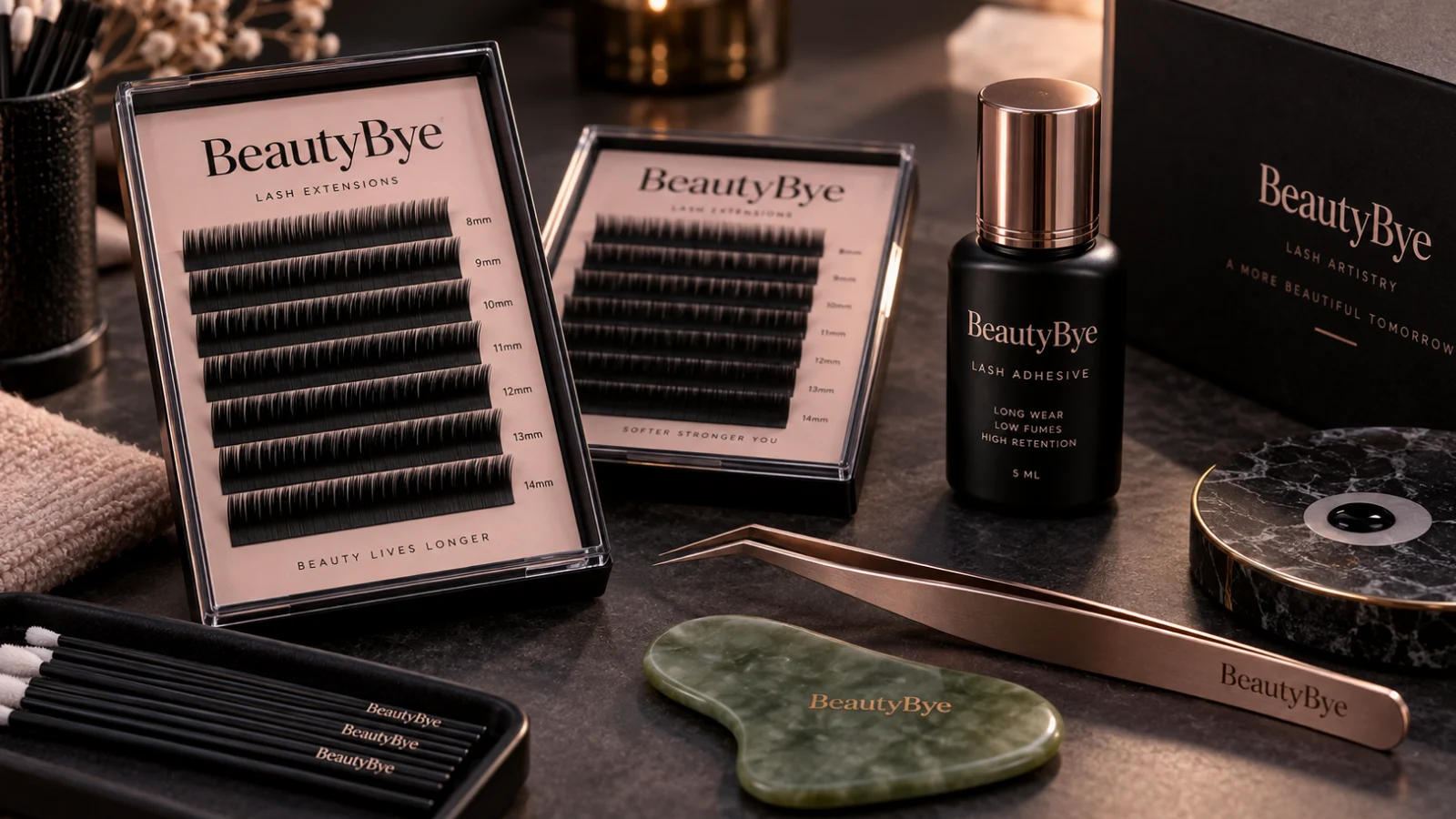
Second-hand lash supplies range from excellent value to not worth the risk, and the difference comes down to what the item is. A sealed tray of lashes or a lash bed from a salon refit is a very different purchase from an opened bottle of adhesive or a half-used lift kit. Here's a straight answer for each part of a lash kit: what makes sense, what needs careful checks, and what to leave alone.
The Short Version
Lash supply | Buying second-hand | Why |
|---|---|---|
Sealed lash trays | Makes sense | Stable product; check curl, thickness and length |
Opened lash trays | Sometimes | Depends on how they were handled and stored |
Tweezers | Unused surplus only | Used tweezers can't be listed on BeautyBye |
Lash lift and lamination kits | Sealed only | Chemical products with dates |
Adhesive | Sealed and in date only | Short opened life and storage-sensitive |
Primers, removers and cleansers | Sealed preferred | Check PAO and dates |
Lash beds and chairs | Often excellent value | Check function, stability and upholstery |
Lamps and magnifiers | Often good value | Check electrical condition |
Micro-brushes, pads, tape, wands | Sealed packs only | Single-use |
Lash Trays: The Easiest Surplus Buy
Lash techs accumulate trays quickly: curls and lengths that didn't suit their clients, sample packs, mixed trays from courses, and full ranges bought when changing suppliers. That makes trays one of the most common second-hand lash supplies.
What to check
Brand and type: classic, volume, pre-made fans, or easy-fan
Curl, thickness and length on each tray, so they suit your sets
Material and finish: matte or glossy, and colour if not black
Sealed or opened: for opened trays, how many rows are left, and whether they were handled with clean tweezers and kept covered
Storage: kept in their packaging, dry and away from dust
When opened trays make sense
Opened trays that were stored covered and clean can be fine, especially for practice, training or for curls you use often. If you can't be confident how a tray was handled, use it for practice rather than on clients.
Tweezers: Buy Unused Surplus
Quality lash tweezers are expensive, and techs often end up with pairs they never used: duplicates from course kits, a style that didn't suit their technique, or a spare set ordered by mistake. Unused pairs like these are good value. Used tweezers are a different matter. BeautyBye's Product Safety Policy doesn't allow used hygiene-sensitive or invasive tools to be listed, because a buyer can't verify how they were decontaminated between another tech's clients.
What to check
Unused: ideally in the original packaging, with the tip protector in place.
Tip alignment. The tips should meet precisely. Misaligned tweezers make isolation and fan-making harder.
Grip. Tips should close without gaps along the gripping area.
Damage. Look for bent tips, rust, pitting or damaged coatings, even on unused pairs.
Type. Isolation, volume, straight, curved or L-shaped, to match your technique.
Run any new pair through your full cleaning and sterilisation routine before first client use, in line with your local authority's requirements. See second-hand beauty tools for more.
Lash Lift and Lamination Kits: Sealed Only
Lash lift kits contain perming and neutralising solutions and often tint, all of which are chemical products with dates. Kits are often surplus because a tech stopped offering lifts or switched brands.
Sealed kits with clear dates for every component can be a reasonable buy.
Check every component, not just the box. Kits can contain sachets or bottles with different dates.
Opened sachets or bottles aren't a sensible second-hand buy.
Follow the manufacturer's instructions, including any patch test requirements, for every use.
Lamination for brows follows similar rules; see cheap brow lamination kits vs professional kits for less.
Adhesive: The Most Sensitive Item
Lash adhesive changes quickly once opened and depends heavily on storage. Opened adhesive generally isn't a sensible second-hand buy for client work. Sealed, in-date adhesive from a recognised brand, stored properly, can be. Our guides to cheap lash glue and lash glue shelf life cover this in detail.
Primers, Removers and Cleansers
These are liquid products with PAO or expiry dates. Sealed bottles from surplus stock are fine to buy. Opened bottles are a judgement call based on how long they've been open, how much is left and how they've been stored. Most lash techs keep these fresh for client work.
Lash Beds, Chairs and Lamps: Where the Big Savings Are
Treatment furniture and equipment are among the best-value second-hand lash supplies, because they last for years and change hands when techs upgrade or salons refit.
Lash beds
A comfortable, stable bed matters for both the client and your posture. Check:
stability and frame condition
upholstery for splits, cracks or stains
adjustment mechanisms, including hydraulic and electric functions
width and height for your working position
collection logistics, because beds are listed as collection-only, with payment arranged directly with the seller
Our guide to used beauty beds and treatment couches covers this in detail.
Lamps and magnifiers
Lash lamps and magnifying lights are often sold when a tech upgrades. Check the cable and plug, that all lights work, the arm and joints hold position, and there are no cracks in the housing.
Stools and trolleys
Lash stools and trolleys are simple, sturdy items that suit second-hand buying well. Check wheels, gas lift and stability.
Worked Example: Setting Up a Lash Room Second-Hand
A newly qualified lash tech setting up their first room might combine second-hand and new like this:
Item | Second-hand or new | Reasoning |
|---|---|---|
Lash bed | Second-hand | Large saving; checked for stability and upholstery on collection |
Stool and trolley | Second-hand | Simple, durable items |
Lash lamp | Second-hand | Checked cable, plug, all lights working |
Tweezers | Two unused surplus pairs plus one new | Sterilised before first use; tips checked |
Trays | Core curls sealed, extras from surplus | Consistency where it matters most |
Adhesive | New, in a small bottle | Suited to the room; finishes within its opened life |
Primer, cleanser, remover | New or sealed surplus | Used near the eye; in date |
Disposables | New or sealed surplus packs | Single-use |
Mannequin and practice trays | Surplus from an educator | For practice only |
This kind of mix keeps setup costs down without compromising anything that touches the eye area.
Buying for a Training Academy or Educator
Lash educators and academies have different needs. Training stock doesn't go on clients, so condition requirements differ:
Practice trays and mixed curls from surplus stock are ideal for students.
Mannequin heads and practice strips can be bought second-hand.
Tweezers for students can come from unused surplus stock, sterilised and checked for alignment.
Adhesive for training on mannequins still needs sensible handling, because fumes and eye safety rules apply to students too.
Many educators also sell surplus training stock at the end of a course, which other academies and new techs can use.
Inspecting Second-Hand Lash Supplies on Arrival
Trays: check the curl, thickness and length labels match the listing, and that the trays are clean, dry and intact.
Tweezers: check tip alignment under good light and magnification before decontamination.
Chemical products: check seals, labels, batch numbers and dates against what you were told.
Furniture and lamps: check function and stability before using with clients.
If anything posted to you is materially different from the listing, raise it through the order's issue control within the 48-hour review window, with photos. For collection-only furniture, check it before you pay.
What to Avoid Completely
Used single-use items: micro-brushes, mascara wands, under-eye pads, tape, disposable sleeves
Opened adhesive for client work
Decanted or relabelled products
Products past their expiry or PAO
Anything without identifiable labelling
Electrical items with damaged cables or housings
Checking a Second-Hand Lash Listing
Before buying, ask the seller:
What exactly is it: brand, type, curl, thickness and length for trays, model for equipment?
Is it sealed? If opened, how was it handled and stored?
What are the batch and dates, for anything chemical?
For tools and equipment: condition, any repairs, and what's included?
Why are you selling?
Keep messages on BeautyBye so there's a record.
Buying Second-Hand Lash Supplies on BeautyBye
Lash techs on BeautyBye sell to other verified professionals, and each listing states its own condition. Beauty products are graded New, New but opened, Sampled/swatched or a described Other, and equipment is graded New, Like new, Good or Fair. Photos and seller notes are included. See condition grades explained.
If you have lash stock you've moved on from, list it on BeautyBye.
Frequently asked questions
Can you buy used lash tweezers?
Not on BeautyBye. Its Product Safety Policy doesn't allow used hygiene-sensitive or invasive tools to be listed. Unused surplus tweezers, often from course kits, are a good-value alternative: check the tips align and grip precisely, and sterilise them before first use.
Are opened lash trays safe to buy?
Trays with some rows removed can be fine if they've been kept clean, dry and covered, and handled hygienically. Many lash techs prefer sealed trays for client work and use opened trays for practice.
Should I buy second-hand lash lift kits?
Only sealed kits with clear dates for every component, stored as directed. Lift and perm solutions are chemical products; opened sachets or bottles aren't a sensible second-hand buy.
What lash supplies should never be bought used?
Used single-use items such as micro-brushes, mascara wands, under-eye pads and tape, opened adhesive for client work, and any product without identifiable labelling and dates.