Tools
Second-Hand UV/LED Nail Lamps: What to Check Before Buying
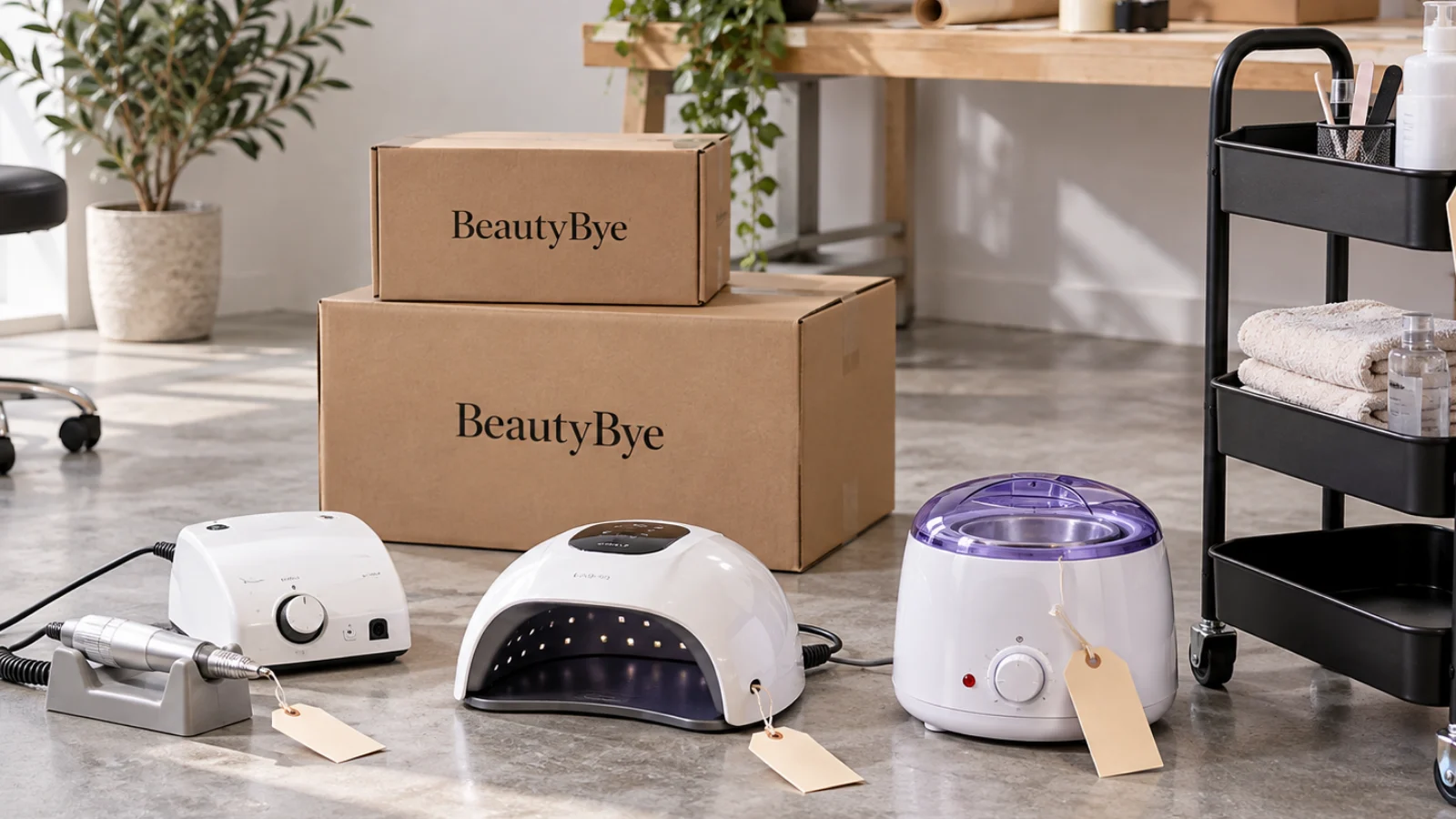
A second-hand nail lamp is one of the most common used purchases in the nail industry, and often one of the best-value ones. Techs upgrade lamps regularly while the old ones still work, and a professional lamp costs a fair amount new. But the lamp is what makes gel work. If it doesn't cure your products properly, every set you do is affected, so the checks for a used lamp are about curing performance and compatibility, not just whether it switches on.
Why Curing Is the Whole Point
Gel products, including builder gels, gel polishes, base and top coats, cure when light from the lamp triggers photoinitiators in the gel. Each manufacturer formulates its gels to cure under particular lamp types, wavelengths and times, and some recommend their own lamps. When curing is incomplete:
the overlay can be weaker and more prone to lifting and chipping
the surface can stay soft or tacky beyond the normal inhibition layer
uncured material can come into contact with skin during filing and removal, which is associated with a higher risk of skin sensitisation
A surface that looks set isn't proof of a full cure. A lamp that doesn't match the gel's requirements, or whose LEDs have faded, can under-cure product that looks fine. That's why the goal isn't just a cheaper lamp. It's a used lamp that still does what your gels need.
UV, LED and Dual Lamps
Lamp type | How it works | Notes for buying used |
|---|---|---|
UV (fluorescent tube) | Uses UV tubes | Tubes age and need periodic replacement; check replacement tubes are still available |
LED | Uses LEDs emitting in specific wavelength ranges | LEDs can lose output or fail individually over time |
Dual UV/LED | LEDs designed to cover a broader wavelength range | The most common modern type for professional gel systems |
Most techs now use LED or dual lamps. Whatever type you're looking at, the question is whether your gel manufacturer recommends it, or at least whether its specification matches what your gels need.
Why Wattage Doesn't Tell You Enough
Lamp listings often lead with wattage, such as 48W or 72W. Wattage is power consumption. It doesn't tell you:
the wavelengths the lamp emits
how evenly light reaches all five fingers and the thumb
how much output the LEDs still produce after years of use
Two lamps with the same wattage can cure very differently. Treat wattage as a rough guide, and focus on the model's specification, compatibility and condition.
The Second-Hand Nail Lamp Checklist
1. Make and model
Identify the exact make and model. That lets you check the manufacturer's specification, find the manual, and see whether your gel brand recommends it. A lamp with no identifiable make or model is hard to assess and hard to resell.
2. Compatibility with your gels
Check your gel manufacturer's lamp guidance: lamp type, wavelengths and curing times. If you use more than one gel brand, check each one. If you're about to change systems, check the new one too.
3. Every LED working
Ask the seller for a clear photo or short video of the lamp switched on, showing every LED. A dark or flickering LED means uneven curing in that spot, often at the thumb or little finger. When you check it yourself, don't stare into the light. Look from an angle, or photograph it with your phone.
4. Age and use
Ask how old the lamp is and how heavily it's been used. A lamp from a tech who did a few clients a week has had a very different life from one that ran all day in a busy salon for years. LED output can fall gradually with age and heavy use, and there's no way to see that from a photo.
5. Timer, sensor and modes
Check every timer setting works, and that the auto-sensor, if there is one, switches the lamp on and off reliably. Low-heat or ramp-up modes, if the lamp has them, should work as described.
6. Base and housing
Look for cracks, melted areas and loose parts. A removable base should be present and intact, because it helps with cleaning and with curing thumbs and feet.
7. Cable, plug and power supply
Check the cable and plug, or the external power adapter, for damage. It should have a UK plug, not a foreign plug in an adapter. Many salons include lamps in their regular electrical safety checks, so ask whether there's a recent test record.
8. Cleanliness
Gel residue on the LEDs or inner surfaces blocks light. A little is normal and can be cleaned off. Heavy, baked-on residue suggests the lamp wasn't looked after.
What a Good Nail Lamp Listing Includes
When you're comparing listings, the most useful ones show:
the make and model, and ideally a photo of the rating plate underneath
the lamp switched on, with every LED visible
the base, the inside and the housing, including any scuffs
the cable, plug or power adapter
the age, how it was used (home studio, mobile or busy salon), and why it's being sold
what's included: removable base, power adapter, manual, box
A listing that shows all of this makes it much easier to judge value, and suggests a seller who looked after their equipment.
Questions to Ask the Seller
"Could you send a short video of it switched on, showing all the LEDs?"
"Which gels have you used it with, and what curing times?"
"How old is it, and roughly how many clients a week did it cure for?"
"Has it been dropped or repaired?"
"Does it have a recent electrical test, and is the original power adapter included?"
What's a Fair Price for a Used Nail Lamp?
There's no fixed discount for a used lamp. Start with the current price of the same model new, then adjust for:
Age. LEDs have a working life, and an older lamp has used more of it.
Use. Light home use is worth more than years of full-time salon use.
Condition. Scuffs matter less than dead LEDs or a damaged cable.
What's included. A missing base or power adapter reduces value.
Warranty. A new lamp usually comes with one, and a used one usually doesn't.
If a used lamp costs nearly as much as the same model new, the new one is usually the better buy. If a lamp is priced far below similar listings with no reason given, ask why.
Choosing the Right Lamp for How You Work
Busy salon desks need a lamp that cures reliably all day, is easy to clean, and has timer settings that match your gel system.
Mobile techs often prefer compact or cordless lamps. Check battery life and charging (see below).
Techs offering pedicures need a lamp that fits a foot, usually with a removable base.
Techs with clients sensitive to heat may value low-heat or ramp-up modes. Follow your gel manufacturer's guidance on curing, because a shorter or gentler cure mustn't mean an incomplete one.
Portable and Cordless Lamps
Cordless and rechargeable lamps are popular with mobile techs. When buying used, also check battery life and charging. A worn battery may not last a full appointment, and replacement batteries may not be available. Check the charger is included and undamaged.
Test Before Client Use
When a used lamp arrives, check it before it goes near a client:
Unplug it, then clean it as the manufacturer directs. Remove the base, wipe away gel residue and dust, and disinfect surfaces the client touches. Avoid harsh solvents that could damage the plastic or LED covers.
Apply your usual base, colour and top coat, or builder, to tips or a practice hand.
Cure using your gel manufacturer's recommended times.
Check that the product is fully cured at all five nail positions, including the thumb, with no unusually soft or tacky areas under the inhibition layer.
Compare with results from a lamp you know works well, if you have one.
Some techs use a UV/LED light meter to track lamp output over time. It isn't essential, but it's useful if you rely on second-hand or older lamps.
Signs a Lamp May Not Be Curing Properly
Keep an eye out for these after you've started using a lamp:
gel that feels soft, wrinkles, or stays tacky beneath the inhibition layer
product lifting or peeling earlier than usual
heat spikes that are unusual for that product
clients reporting itching, redness or irritation around the nail
If you notice any of these, stop using the lamp with that product. Check the lamp and your gel manufacturer's guidance, and follow your procedures for any client reaction. A lamp that worked well a few years ago may not cure as well now.
Keeping a Used Lamp Performing
A second-hand lamp lasts longer with a little routine care:
Clean it between clients as part of your normal hygiene routine, following the manufacturer's instructions. Gel residue on LED covers blocks light.
Check the LEDs regularly. A quick look from an angle once a week catches a failed LED before it causes a lifting problem.
Replace UV tubes on schedule if you have a tube lamp, following the manufacturer's replacement guidance.
Keep it in your equipment log: model, date bought, any electrical test, and any problems.
Protect the cable. Route it so it isn't pulled, trodden on or kinked round a desk leg.
Skin Exposure During Curing
Each cure exposes the hands to light for a short time. Some professionals and clients choose to reduce exposure further, for example with fingerless UV-protective gloves or broad-spectrum sunscreen applied before the appointment. Follow your gel and lamp manufacturers' guidance, your training and your insurer's requirements, and don't shorten curing times to reduce exposure. An incomplete cure brings its own risks.
Buying a Lamp as Part of a Kit
Techs who are leaving the industry or closing a salon often sell a full kit: lamp, e-file, desk, gels and tools. Bundles can be good value, but check each piece on its own merits rather than assuming one good item means they all are. Test the lamp as above. Check the e-file separately (see buying a used nail drill), and check the products' dates and storage (see second-hand nail supplies). If part of the bundle doesn't suit you, it's often cheaper to buy the items you need individually.
When to Walk Away
Dead or flickering LEDs
No identifiable make or model
Damaged cable, plug or power adapter, or a non-UK plug
Cracked or melted housing
A timer or sensor that doesn't work reliably
Not compatible with your gel system
Signs of heavy, long-term salon use at a price close to new
Second-Hand vs New Lamps
Second-hand lamp | New lamp | |
|---|---|---|
Cost | Lower | Higher |
Output | Depends on age and use | As specified |
Warranty | Usually none | Manufacturer's warranty |
Best for | Techs who can check compatibility and test curing | Techs who want certainty, or brands that require a specific lamp |
A lamp is only half of curing. The gel matters too. If you're also looking at gel prices, see cheap builder gel vs professional builder gel for less.
Selling Your Old Lamp
If you're upgrading, your old lamp may suit a newly qualified tech or a mobile tech who needs a second one. Clean it, check every LED, photograph it switched on and include the rating plate. Say honestly how old it is and how much it was used. See where to sell second-hand salon equipment.
Nail Lamps on BeautyBye
Nail techs on BeautyBye sell lamps they've upgraded from, spares from salon refits, and cordless lamps from mobile kits. Buyers and sellers are verified professionals, and damaged, modified or recalled electrical items can't be listed under the Product Safety Policy. Equipment is graded New, Like new, Good or Fair, with photos and seller notes. The grade tells you the seller's view of the condition, not how well the lamp will cure your gels, so ask about the model, age and LEDs, and test the lamp before client use.
Frequently asked questions
Is a higher-wattage nail lamp always better?
No. Wattage describes power consumption, not how effectively a lamp cures a particular gel. What matters is whether the lamp's output and wavelengths match what the gel manufacturer specifies, and whether the LEDs still perform.
Do LED nail lamps lose power over time?
LEDs can gradually lose output with age and heavy use, and individual LEDs can fail. A lamp that looks bright may still cure less effectively than when it was new.
Can I use any lamp with any gel?
Gels are formulated to cure under particular lamps and settings. Check the gel manufacturer's lamp guidance. Under-curing is associated with weaker results and a higher risk of skin sensitisation.
What should I test on a second-hand nail lamp?
That every LED lights, the timer settings and auto-sensor work, the base or tray is intact and removable if designed to be, the cable and plug are undamaged, and it cures your gels as expected in a test before client use.