Salon Equipment
Used Salon Equipment: Buy and Sell Professional Beauty Equipment
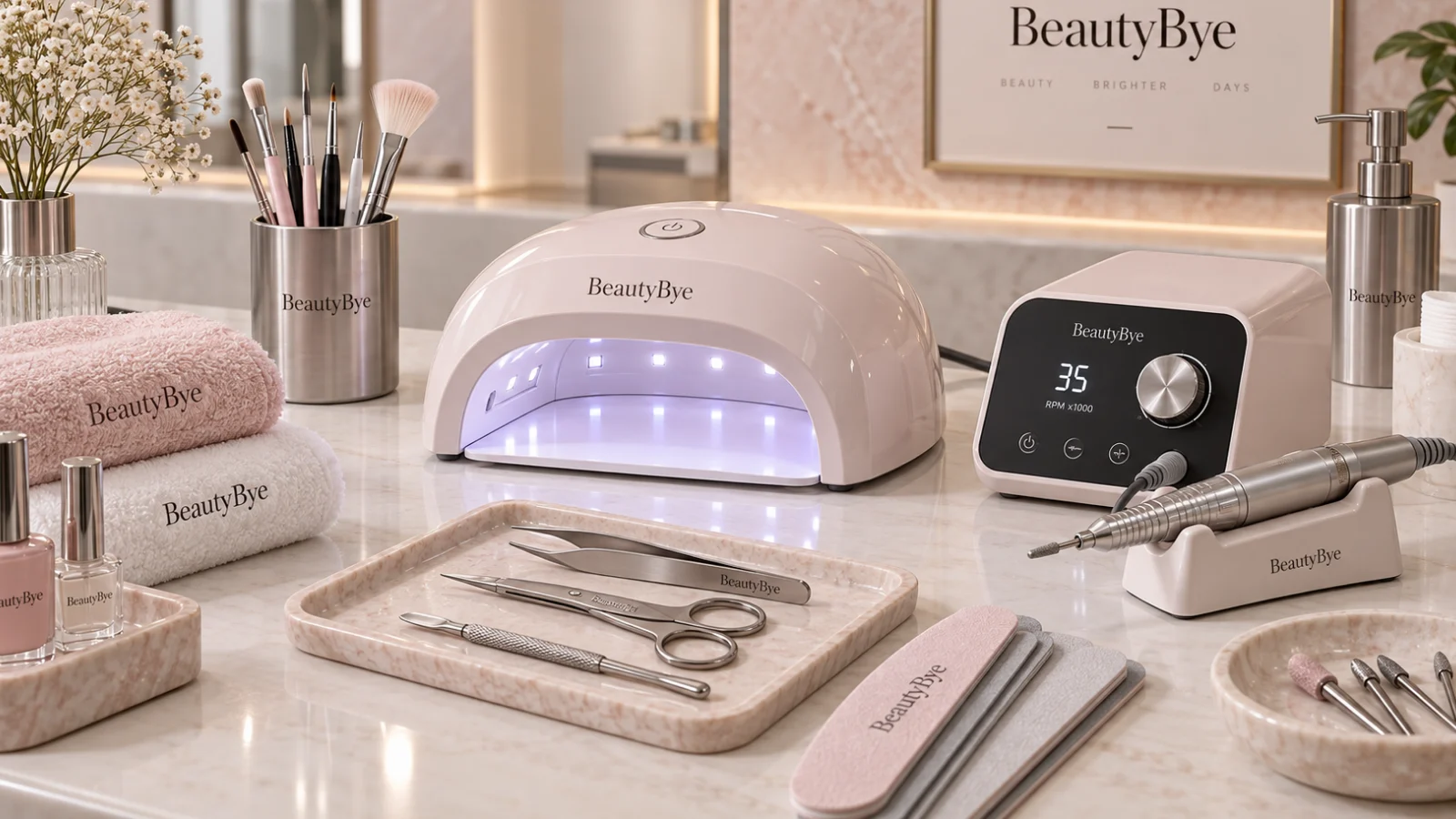
Beauty professionals replace equipment far more often than it wears out. A nail tech upgrades a lamp, a therapist moves from strip wax to beads, a salon refits a treatment room, and perfectly good kit is left over. BeautyBye's Equipment category is where verified professionals buy and sell that used salon equipment: UV/LED nail lamps, e-files, dust extraction, wax heaters, steamers, facial machines, magnifier lamps and trolleys. For buyers it's one of the easiest places to save real money. For sellers it's a way to turn a cupboard of old kit back into cash.
What Is Used Salon Equipment?
Used salon equipment is professional beauty equipment, such as nail lamps, e-files, wax heaters, facial steamers, magnifier lamps, treatment couches and salon chairs, that has been owned and used by a salon or beauty professional and is sold on to another. It's usually bought to save money compared with buying new. Because it's electrical or mechanical and used on clients, it needs checking before use: identity, safety, function and cleanliness.
What's in the Equipment Category
Nail equipment: UV/LED lamps, e-files and drills, desk extractors
Waxing equipment: tin heaters, bead pots, roller heaters and paraffin baths
Skincare equipment: steamers, magnifier lamps, LED devices, high-frequency units and facial machines
Lash and brow equipment: lamps and magnifiers
Hair electricals: dryers, straighteners and tongs
Trolleys and storage
Large furniture, such as couches, chairs, desks and backwash units, is listed separately as collection-only. See the second-hand salon furniture guide.
Delivery or Collection?
Smaller equipment in this category is usually posted. The buyer pays through BeautyBye's checkout, the seller dispatches with the order's label, and once it's delivered the buyer has a 48-hour review window to raise an issue before the seller is paid.
Large equipment and furniture is collection-only. The buyer and seller arrange payment and collection directly, so the purchase doesn't go through BeautyBye checkout and isn't covered by checkout buyer protection. Inspect it and see it working before you pay.
Why Professionals Sell Used Equipment
Upgrades, for example to a lamp with a better cure, a quieter e-file, or an electric bed
Service changes: dropping waxing, facials or nail services
Salon refits, relocations and closures
Duplicates from courses and starter kits
Moving between mobile and salon-based work
The Checks That Matter for Used Equipment
Every piece of used electrical equipment needs the same core checks:
Make and model, so you can find the manual, specs and parts
Safety markings and a rating plate
Cable, plug and housing undamaged, with a UK plug
Every function working
Service and repair history
Test record, such as PAT, if available
What's included: handpieces, pedals, attachments, manuals
The full checklist is in second-hand salon equipment: what to check before buying.
Equipment Buying Guides
Equipment | Guide |
|---|---|
UV/LED nail lamps | |
E-files and nail drills | |
Wax heaters | |
Steamers, LED and facial machines | |
Tools and implements | |
Buying from a salon clearance |
Equipment by Specialism
Nail equipment
UV/LED lamps and e-files are the most common used nail equipment. Techs upgrade them often, and good ones last. The key checks are curing compatibility for lamps and handpiece condition for e-files. Desk extractors and dust collectors are also frequent listings. Plan to fit new filters.
Waxing equipment
Wax heaters come in tin, bead-pot and roller-cartridge formats. Buy the format that matches your wax. The thermostat is the most important check, because it controls working temperature.
Skincare equipment
Steamers, magnifier lamps, LED devices, high-frequency units and multi-function machines are expensive new and often sold during refits. Check every function, the handpieces, consumables availability, manufacturer support and any training requirements.
Lash and brow equipment
Lamps and magnifiers are the main items. Check the arm holds position and the light works. Lash beds are covered under furniture.
Hair equipment
Dryers, straighteners and tongs are often sold on upgrade. Check heat settings, cables, swivel joints and plates, and clean them before use. Used clippers and other bladed tools aren't listed on BeautyBye under its Product Safety Policy.
Equipment for Different Ways of Working
Mobile professionals need equipment that's light, robust and quick to set up: compact or cordless lamps, portable e-files, small heaters. Check carry cases, hinges and batteries, because portable kit gets moved constantly.
Home studios often have limited space and power points. Measure before you buy, and think about noise and extraction in a room that may also be part of your home.
Salons need equipment that copes with all-day use, matches across stations and can be serviced. Buying several identical items from one refit can make maintenance simpler.
Training academies need robust, easy-to-clean kit in quantity, and often buy from salon refits.
Common Mistakes When Buying Used Equipment
Buying on wattage or RPM alone, rather than compatibility and condition.
Not checking consumables and parts are still available for the model.
Skipping the video. A short clip of the item working answers most questions.
Forgetting the plug and voltage. Imported equipment may not suit UK use.
Assuming a bargain includes everything. Check handpieces, pedals, bases and cables are included.
Using it on a client straight away without cleaning and testing it first.
Getting Used Equipment Ready for Clients
Whatever you buy, the same routine applies before first use:
Inspect everything against the listing.
Clean and disinfect client-contact surfaces and attachments following the manufacturer's instructions.
Replace consumables such as filters, tips and pads.
Test every function.
Add it to your electrical testing and maintenance schedule.
Keep the manual, downloaded if necessary, and any service records.
What Wears Out, and What Lasts
Knowing which parts of a machine wear helps you judge a used item quickly.
Equipment | Parts that wear | Parts that usually last |
|---|---|---|
UV/LED lamp | LEDs (output fades, individual LEDs fail), timer buttons | Housing, base |
E-file | Handpiece bearings, collet, handpiece cable | Control unit |
Wax heater | Thermostat, element, pot lining | Casing |
Steamer | Element, seals, reservoir (limescale) | Stand, arm |
Magnifier lamp | Bulb or LEDs, arm springs and joints | Base, lens (if not scratched) |
Trolley | Wheels and castors | Frame and shelves |
When you look at a listing, focus your questions on the parts in the middle column.
Electrical Safety Checks in a Salon
In the UK, businesses have to keep work equipment, including electrical equipment, safe to use. Health and Safety Executive guidance explains that how often equipment is checked, and how, depends on the type of equipment and how it's used. Many salons use periodic portable appliance testing (PAT) as part of that. When you buy used equipment:
do your own visual check of the plug, cable and casing before first use
add it to whatever inspection and testing routine your salon follows
keep any test record the seller provides, but don't rely on an old one alone
Warranties and After-Sales Support
Used equipment usually comes without the manufacturer's warranty, although some manufacturers allow a remaining warranty to transfer to a new owner. Ask the seller for the purchase date and receipt, and check with the manufacturer. Also check that the manufacturer or an authorised service centre still supports the model, and that consumables and spare parts are available. A well-supported used machine can be a better buy than a cheaper one nobody can repair.
How to Read an Equipment Listing
A good equipment listing answers most of your questions before you ask them. When you're comparing listings, look for:
The make and model in the title, not just "nail lamp" or "facial machine". It lets you look up the specification, manual and current new price.
A condition grade that matches the photos. Like new should look barely used, Good can show normal wear, and Fair should come with notes on the wear or minor issue.
Photos of the real item, including the rating plate, the cable and plug, and any marks. A listing with only stock images tells you nothing about this particular machine.
A video of it working, for anything with motors, heat, LEDs or suction.
Age, use and history: how old it is, how often it was used, and any servicing or repairs.
What's included: handpieces, pedals, bases, attachments, manuals and filters.
Why it's being sold. Upgrades, refits and service changes are ordinary reasons.
If a listing leaves gaps, ask in BeautyBye messages before you buy. If the seller can't or won't answer, that's an answer in itself.
When to Buy New Instead
Used equipment isn't always the right choice. Consider buying new when:
the manufacturer requires a specific device for training or warranty
the used model is no longer supported and parts are unavailable
the price gap between used and new is small
you need the certainty of a warranty for a high-use item
Questions to Ask Before Buying Any Used Equipment
Whatever the machine, the same short set of questions tells you most of what you need to know. Ask the seller, and keep the answers in BeautyBye messages:
What is the exact make and model, and roughly how old is it?
How often was it used: occasionally, a few clients a week, or all day in a busy salon?
Does every function work, and can you send a short video of it running?
Has it ever been repaired or serviced, and by whom?
Is anything missing, such as handpieces, pedals, attachments, filters or the manual?
Does it have a recent electrical test record?
Why are you selling it?
Clear, specific answers are a good sign. Vague answers, or reluctance to show the item working, are reasons to keep looking.
Equipment Maintenance After You Buy
Buying well is only half the job. Looking after second-hand equipment keeps it working and safe:
follow the manufacturer's cleaning instructions
keep cables tidy and away from wheels, chair bases and heat
replace filters, tips and other consumables on schedule
include every electrical item in your salon's testing routine
note faults and repairs in a simple equipment log, which also helps if you sell it on later
Used Salon Equipment vs New
Used | New | |
|---|---|---|
Cost | Lower | Higher |
Warranty | Usually none | Manufacturer's warranty |
Condition | Varies; check carefully | New |
Availability | Depends on what's listed | Usually available to order |
Environmental impact | Reuses equipment | New manufacture |
For many professionals, well-checked used equipment is the best value, especially lamps, heaters, trolleys and furniture. For devices where a warranty, manufacturer training or specific support matters, new may be the better choice.
Selling Used Salon Equipment
If you've upgraded, other professionals are looking for your old equipment. Good equipment listings include:
make, model, age, voltage and plug type
condition, including any marks, wear or repairs, and every known defect
confirmation that every function works, ideally with a video
electrical test status, if available
everything included: handpieces, pedals, attachments, manuals
Electrical items with damaged casings, cables, plugs, batteries or safety features, and modified or recalled items, can't be listed. See where to sell second-hand salon equipment and how to price second-hand salon equipment and surplus stock, or list your equipment on BeautyBye.
Why Buy Equipment on a Professional-Only Marketplace
Verified professionals: buyers and sellers complete professional verification.
Policy checks: listings are checked against BeautyBye's Product Safety Policy, and some are held for review before they go live.
Condition grades: equipment is graded New, Like new, Good or Fair, with photos and seller notes.
Checkout, messages and order support for posted equipment, with a 48-hour review window after delivery.
A grade and a few photos can't replace your own checks, so ask questions and test equipment before client use. Browse equipment on BeautyBye, or read the wider guide to buying professional beauty products for less.
Frequently asked questions
What used salon equipment is sold on BeautyBye?
Verified professionals list nail lamps, e-files, dust extractors, wax heaters, steamers, facial machines, magnifier lamps and trolleys. Large furniture such as couches, chairs and nail desks is listed separately as collection-only.
How do I know used equipment is safe?
Check the make and model, safety markings, cable, plug and housing, that every function works, the service history, and any recent test record. Test it before client use. BeautyBye's Product Safety Policy doesn't allow damaged, modified or recalled electrical items to be listed, but it can't replace your own checks.
Is used equipment delivered?
Smaller equipment is usually posted and paid for through BeautyBye's checkout. Large equipment and furniture listings are collection-only, with payment and collection arranged directly between buyer and seller.
Can I sell equipment I've upgraded from?
Yes, as a verified professional. Include the make, model, age, condition, test status and what's included.