Guides
The Complete Guide to Buying Second-Hand Professional Beauty Supplies
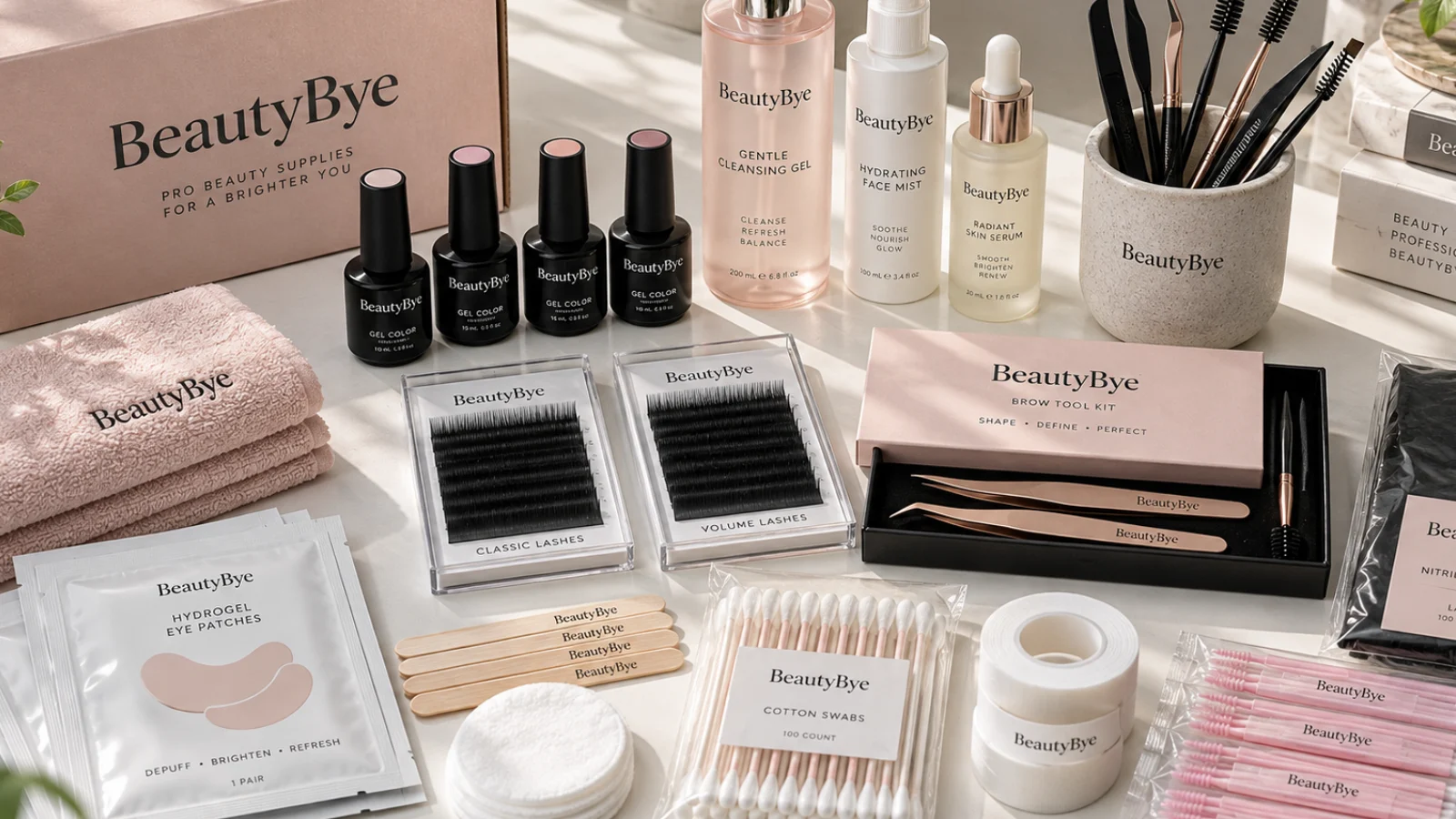
Second-hand beauty supplies can save a professional a significant amount, and they keep good professional products and equipment in use rather than in a drawer or a skip. But "second-hand" covers a wide range: sealed products that were never opened, opened or swatched products, unused tools, electrical equipment and heavy furniture. Each needs a different level of care. Start here for the overview, then follow the links to the detailed guide for each category.
What Is Second-Hand Professional Beauty Stock?
Second-hand professional beauty stock is professional-grade product or equipment that a beauty professional or salon bought for their own business and later resells, usually to another professional. It includes:
sealed products that were never opened
opened or swatched products with product remaining
durable tools
electrical equipment
salon furniture
It's different from consumer cosmetics resale. It covers trade products and trade equipment that are designed for trained professionals.
The Three Questions for Any Second-Hand Purchase
Is it what it says it is? Exact product, brand, model and condition.
Is it still fit for professional use? Dates, storage, function and safety.
Can I use it hygienically and safely? Decontamination, sealed status and manufacturer instructions.
If you can't answer all three, don't buy.
Products: The Rules
Sealed products
Sealed, in-date products from recognised professional ranges are the most straightforward second-hand buys. Check identity, the seal, the batch and dates, and storage.
Opened products
Opened products need more care. Ask when they were opened, how they were used and stored, and how much is left. For chemical products, such as adhesives, lift and lamination solutions, tints and developers, opened product is often not a sensible buy for client work.
Dates
Check the batch number and the expiry date or PAO (period-after-opening) symbol. See condition grades for second-hand beauty stock.
Storage
Heat, light, humidity and air exposure affect many professional products. Ask how they were stored.
Tools: The Rules
Hand tools such as nippers, tweezers and scissors: buy them new or as unused surplus. Used hygiene-sensitive or invasive tools, blades and sharps can't be listed on BeautyBye, because their decontamination history can't be verified.
Brushes are best bought new or sealed.
Single-use items such as files, buffers, spatulas and micro-brushes should only be bought sealed.
See second-hand beauty tools: when buying used makes sense.
Equipment: The Rules
For any electrical equipment:
make, model and safety markings
cable, plug and housing undamaged
every function working
service history and test records
test before client use
See second-hand salon equipment: what to check before buying.
Furniture: The Rules
stability and frame condition
upholstery and surfaces that can be cleaned
mechanisms that work
dimensions that fit your space and doorways
collection planned. On BeautyBye, furniture is collection-only and paid for directly between buyer and seller, so inspect it before you pay
Risk by Category: A Quick Map
Not all second-hand beauty supplies carry the same risk. This map helps you decide how much checking a purchase needs.
Lower risk | Medium risk | Higher risk |
|---|---|---|
Sealed wax | Opened gel polish and builder gel | Opened lash adhesive |
Sealed lash trays | Opened lash trays | Opened lift and lamination solutions |
Sealed gel products | Used e-files and lamps | Opened tints and developers |
Mapping tools | Used treatment beds | Opened skincare in jars |
Trolleys and storage | Used facial machines | Unidentified or decanted products |
Unused tools in packaging | Used hair electricals | Used single-use items and used cutting tools (never buy) |
Lower-risk items need basic checks. Medium-risk items need careful checks and testing. Higher-risk items should usually be avoided for client work, or bought only sealed and in date.
How Professionals Actually Use Second-Hand Supplies
In practice, most professionals mix new and second-hand buying:
Core client products that go on every client, such as base coats, top coats, main builder gel, adhesive and primers, are bought new or sealed.
Occasional products, such as trend shades, extra tray curls, niche waxes and extra tints, are bought as sealed surplus.
Equipment and furniture are bought second-hand after proper checks, because this is where the biggest savings are.
Practice and training stock is bought second-hand, and kept separate from client stock.
That mix gives the savings of second-hand buying without compromising the products that matter most.
Why Professionals Sell Good Stock
Buyers sometimes wonder why good stock is being sold at all. The honest answer is that the beauty trade produces surplus constantly: system changes, shade ranges only partly used, bulk buying, course kits, service changes, upgrades, refits and closures. The seller's reason is worth asking about, and a clear, ordinary reason, such as "I've moved to a different gel system", is reassuring.
A Step-by-Step Buying Routine
Experienced professionals who buy second-hand regularly tend to follow the same routine, whatever the item. Following it every time turns second-hand buying from a gamble into a process.
Step 1: Define exactly what you need. Write down the product or equipment, the brand or range if it matters, the shade, size or model, and any compatibility requirements such as your lamp, your gel system, your wax heater format or your room dimensions. Buying second-hand works best when you know precisely what you're looking for, because it stops you buying something just because it's cheap.
Step 2: Read the listing in full. Look at the condition grade, then the photos, then the seller's notes. Check that the photos show the actual item, including labels, seals, batch numbers and any wear. Note anything the listing doesn't tell you.
Step 3: Ask the questions the listing didn't answer. For products: dates, batch, storage, sealed status and fill level. For equipment: age, use, function, repairs, test records and what's included. For furniture: dimensions, weight, dismantling and collection access. Keep the conversation in BeautyBye messages.
Step 4: Compare against new. Check the current price of the same item new, and look at similar second-hand listings. Decide what a fair price is for the condition, and whether the saving is worth any extra checks, cleaning, repairs or collection effort.
Step 5: Buy, then inspect straight away. When the item arrives or you collect it, check it against the listing before using it. Check seals, labels and dates on products, test equipment, and inspect furniture before loading it.
Step 6: Prepare it for client use. Clean and disinfect, decontaminate tools, replace consumables, test electrical items, and record what you've bought in your stock and equipment records.
Step 7: Raise problems promptly. For posted orders, delivery opens a 48-hour review window. If something is materially different from the listing, raise it through the order's issue control straight away, with photos. For collection-only furniture, raise it with the seller before you pay and load.
Second-Hand Buying for Different Stages of Your Career
Students and newly qualified professionals gain the most from second-hand equipment and furniture, which can cut setup costs dramatically. Keep core client products new or sealed while you learn which systems suit you.
Established professionals tend to use second-hand buying to add capacity, replace equipment or top up products in shades and sizes they use less often.
Salon owners often buy matching furniture and equipment from other salons' refits and closures, and sell their own surplus as they change systems.
Educators buy and sell practice stock and training equipment in volume, where second-hand is often ideal.
Buying Second-Hand as a Mobile Professional
Mobile nail techs, lash artists and therapists have particular needs. Kit must be portable, sturdy and quick to set up, and products travel in cars that can get hot or cold. That makes a few second-hand buys especially good value: portable couches and chairs, compact lamps, cordless e-files, folding trolleys and carry cases. Check portable equipment carefully for wear on hinges, catches, wheels and handles, since it's moved far more often than salon equipment.
Products need extra care on the move. Keep adhesives, gels, wax and tints out of direct sunlight and away from heat in the car, and don't buy more product than you'll use while it's in date. When buying surplus product for a mobile kit, sealed stock with plenty of shelf life left is the safest choice.
Keeping Records of Second-Hand Purchases
Good records protect you and make your business easier to run. For each second-hand purchase, keep the listing, the messages, the order details and photos of the item on arrival. For products, note the batch number, the expiry date and the date opened. For equipment, record the make, model, serial number, the date bought, any tests you carried out and any servicing. If a question comes up later, whether from a client, an insurer or the manufacturer, you'll have the information to hand.
Category Guides
Category | Guide |
|---|---|
Nails | |
Builder gel | |
Lashes | |
Lash adhesive | |
Brows | |
Waxing | |
Skincare | |
Facial equipment | |
Nail lamps | |
E-files | |
Beds | |
Desks | |
Chairs |
Red Flags Across Every Category
no identifiable brand, model or manufacturer
no batch number or dates, and the seller can't provide them
decanted or relabelled products
stock photos instead of photos of the actual item
damaged cables, plugs or housings
vague answers about condition, storage or history
prices far below comparable items with no explanation
requests to pay outside the marketplace
Inspecting on Arrival
check the item matches the listing
check seals, labels and dates
test equipment before client use
clean and sterilise tools before first use
raise any material difference within the 48-hour review window, with photos
Buying Second-Hand on BeautyBye
BeautyBye is a marketplace where only verified beauty professionals buy and sell, built for exactly this kind of surplus. (For why surplus professional stock is a better route than cheaply made alternatives, see cheap beauty supplies vs professional beauty products for less.)
Verified professionals. Buyers and sellers complete professional verification.
Policy checks. Listings are checked against BeautyBye's Product Safety Policy, which rules out expired, recalled, counterfeit, decanted, client-used and unsafe items. Some listings are held for review before they go live.
Condition on every listing. Products are graded New, New but opened, Sampled/swatched or a described Other, and equipment New, Like new, Good or Fair, with photos and seller notes.
Checkout for posted orders, with a 48-hour review window after delivery. Collection-only furniture is paid for directly between buyer and seller.
Some listings are sealed and new and others aren't, so read each one and ask questions before buying.
Frequently asked questions
What's safe to buy second-hand as a beauty professional?
Sealed, in-date products; unused tools; and equipment and furniture in good working order after proper checks. Opened chemical products need more caution, and products used on clients, used cutting tools and used single-use items should be avoided.
How do I check second-hand beauty products?
Check the exact product identity, sealed or opened status, batch number and expiry or PAO, storage history, and fill level, and ask the seller why they're selling.
How do I check second-hand beauty equipment?
Check the make and model, safety markings, cable, plug and housing, that every function works, the service history, and any test record. Test it before client use.
Where can professionals buy second-hand beauty supplies?
Professional-only marketplaces such as BeautyBye, where verified professionals buy and sell surplus stock and equipment, as well as clearances and general marketplaces.